
If you only remember one thing about these two, make it the timing. Sculptra is the slow builder, the one that quietly improves your cheeks over a few months of visits, while Radiesse gives you some lift the day you get it and then keeps working in the background. Both are injectables that coax your skin into making its own collagen instead of simply filling a space the way a gel filler does. Each comes with its own quirk too: Sculptra can cause lumps that pop up months later, and Radiesse shows up on CT scans and X-rays, which your other doctors will want to know about. Neither one belongs in your lips, and neither can be melted away like hyaluronic acid filler can.
How these two differ from a regular filler
A classic hyaluronic acid filler works by taking up room. It sits where it’s placed, plumps that spot,. Sculptra and Radiesse belong to a different group often called biostimulators. They go in deeper, and the point is to get a reaction. The material settles into the tissue, your body responds to it, and part of that response is fresh collagen. The American Society of Plastic Surgeons (ASPS) describes polylactic acid, the stuff in Sculptra, as a “stimulator” of your own collagen.
That’s why the results arrive over months rather than on the drive home, and it’s both the appeal and the hard part. You won’t walk out looking like someone else, but you’re also paying for something you can’t fully judge for weeks, and unlike hyaluronic acid filler, there’s no enzyme that dissolves it if you change your mind. If you like seeing the finished result before you leave the office, keep that in mind going in.
What’s actually in the syringe
Sculptra is poly-L-lactic acid. It arrives as a freeze-dried powder that your injector mixes with sterile water, often with a numbing medicine called lidocaine, right before treatment. It goes deep, into the lower layer of skin or the fat just beneath it, and never near the surface, because shallow injections cause more lumps.
Radiesse is a smooth gel carrying tiny spheres of calcium hydroxylapatite, suspended in water, glycerin and a thickener called sodium carboxymethylcellulose. ASPS notes that calcium hydroxylapatite is a mineral-like compound found naturally in bone. It’s made in a lab without animal products, so you don’t need a skin test first.
Where each one is approved to go
Sculptra is FDA-approved for the lines running from nose to mouth and other facial wrinkles, for fine lines and wrinkles on the cheeks, and for facial fat loss in people with HIV. It hasn’t been studied around the eyes.
Radiesse covers more ground than a lot of people expect. It’s approved for moderate to severe facial wrinkles and folds, volume loss on the backs of the hands, facial fat loss in people with HIV, and chest wrinkles in people 22 and older, where it’s watered down with saline first. Radiesse (+), the version mixed with lidocaine, is also approved for shaping the jawline in adults over 21. Anywhere else, like the temples, is off-label. That’s legal and common, but it’s your injector’s judgment call rather than something the label backs, and its safety around the eyes hasn’t been established.
How soon you’ll notice a change
Sculptra takes its time. Galderma, the maker, puts a usual course at three sessions over three or four months, with at least three to four weeks between visits, and it can take four to six weeks after any one session to see that round’s full effect. In the cheek-wrinkle study the FDA reviewed, about 71% of people treated with Sculptra looked at least a grade better on a wrinkle scale after a year, compared with about 26% of people who weren’t treated. Among those followed longer, about 77% were still seeing results at two years. The company funded that study and the scale is judged by eye, so take it as proof that it does something real rather than a promise about your own cheeks. Galderma says results can last up to two years, which is simply where the study ended, not necessarily where the effect stops.
Radiesse works on two clocks. Merz, the maker, says you see volume and smoothing right after treatment, and the collagen it encourages keeps building over time, with results shown to last up to two years. How many sessions you’ll need depends on the area and your injector’s plan.
The homework afterward
Sculptra asks a little more of you once you’re home. The label calls for massaging the treated area for five minutes, five times a day, for five days after each session, so the product spreads evenly. It also tells injectors to put in a bit less than looks needed at each visit, because the area keeps improving for weeks, and overfilling is the classic mistake. Ask your injector to show you the massage so you’re not guessing.
Radiesse has one unusual bit of follow-up that has nothing to do with your face. Its particles show up clearly on CT scans and may show on regular X-rays, so tell your doctors and anyone reading your scans, and add it to the list of treatments you share at every new appointment.
What a full course costs
ASPS doesn’t break out prices by brand, but its latest numbers put the average fee for non-hyaluronic acid fillers, the group these two belong to, at about $901 per treatment, compared with about $715 for hyaluronic acid filler. That’s only the injector’s fee, and it swings a lot from city to city. With Sculptra, remember to multiply by the number of sessions, since a typical course is about three.
Side effects worth knowing about
Lumps. This is the big one with Sculptra. The label warns about bumps under the skin that can appear days to months after treatment. They’re usually something you feel more than see, and they can take a long while to fade. In the original study on the nose-to-mouth lines, 17% of people treated with Sculptra got a bump, compared with 13% of the comparison group, and they typically showed up around 160 days after the first session. Most cleared on their own, and one needed a steroid shot. Larger amounts and injections around the eyes or below the corners of the mouth are linked with more of them. The Radiesse label also notes lumps reported after injections into the lips.
The everyday injection stuff. Expect the chance of bruising, redness, swelling and tenderness. The Radiesse label says these mostly settle in under a week.
A blood vessel. With any filler, injecting into or near a blood vessel can block blood flow. Both labels list rare but serious results, including vision loss, blindness, stroke and skin damage. Get care right away for changes in your vision, signs of a stroke, skin that turns white, or unusual pain during or soon after the injection. This is the main reason the person holding the syringe matters more than the brand in it.
Lasers and peels later on. Both labels warn that lasers, chemical peels and similar treatments afterward can cause inflammation where the product sits, so tell anyone working on your skin that you’ve had one, and where.
Who should skip them. Neither is for anyone with a history of severe allergies or anaphylaxis, or with an infection or breakout in the area. Sculptra isn’t for people prone to keloids or raised scars, and Radiesse isn’t for people with bleeding disorders. Neither has been shown safe in pregnancy or breastfeeding.
A few things to have ready at home

These picks simply cover what the labels ask of you afterward. The Mueller Reusable Fabric Cold/Hot Pack has a fabric outside and a gel inside that doesn’t freeze solid, so it bends to the curve of your cheek. The Sculptra label calls for an ice pack wrapped in cloth, never ice straight on the skin, so keep a thin cloth between you and the pack anyway, and check with your injector first.
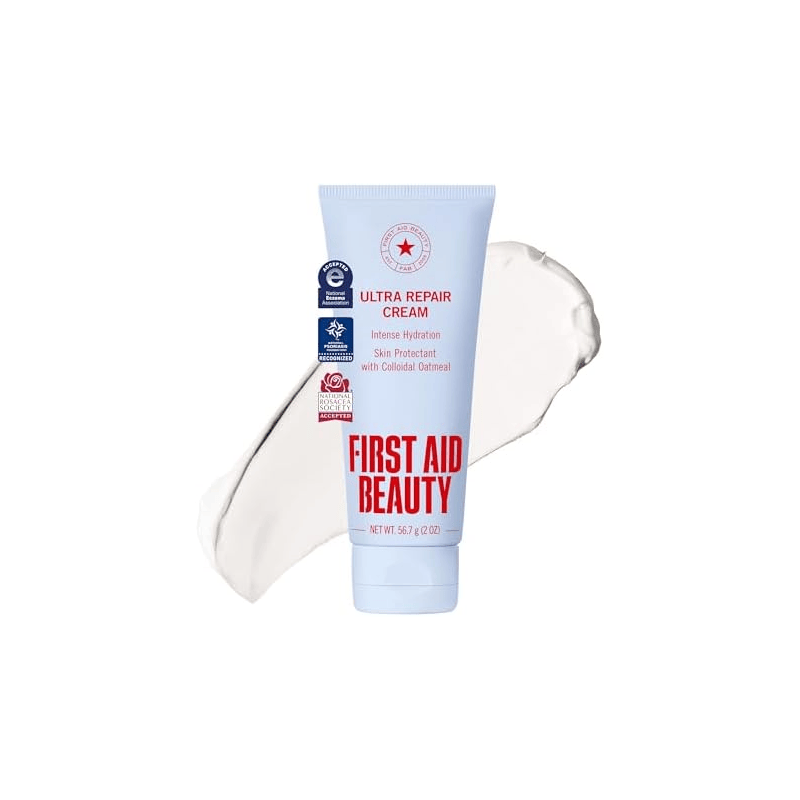
For the massage, the label says to use a facial moisturizer. First Aid Beauty Ultra Repair Cream is made for sensitive skin, with ceramides and colloidal oatmeal. Any plain moisturizer your skin already likes will work just as well; the main thing is not to start something brand new on freshly injected skin.
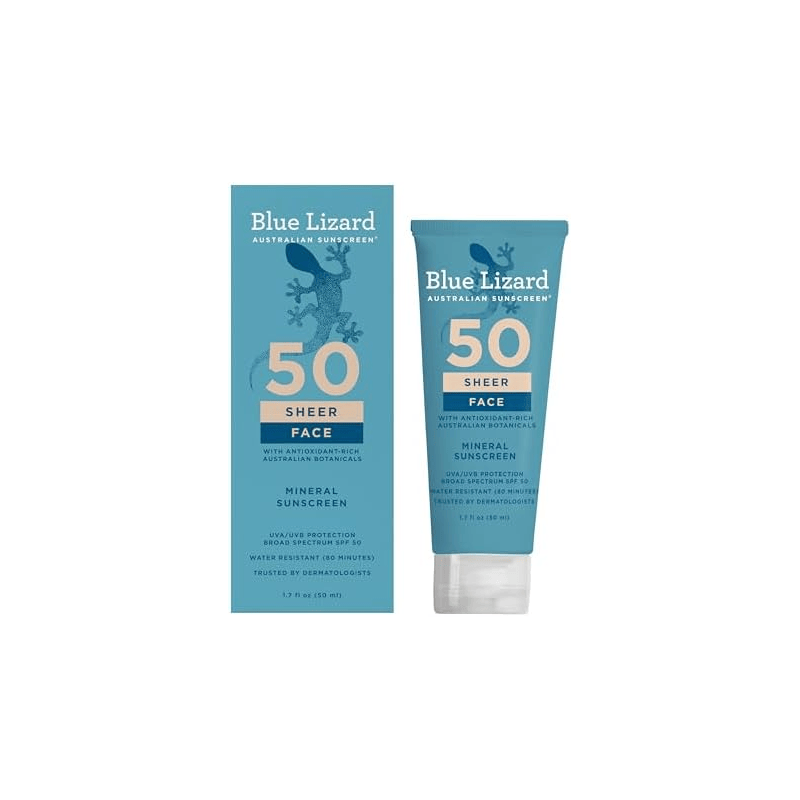
Blue Lizard Sheer Face Mineral SPF 50 is 10% zinc oxide and 8% titanium dioxide, and it dries clear. Both labels say to keep the treated area out of strong sun or heat until the first swelling and redness pass, and after that, daily sunscreen just makes sense for skin you’re investing in. You’ll notice arnica and so-called recovery boosters aren’t here, because nothing in either label backs them up.
Matching the product to what bothers you
The final call belongs with a board-certified dermatologist or plastic surgeon who has looked at your face, but the two do lean in different directions.
Sculptra tends to suit someone with gradual, all-over thinning across the cheeks or temples who’d like the change to sneak up on her over a few months. You’ll need several visits and you’ll need to keep up the massage, so it’s a poor fit if you want a crisp, sculpted result in one appointment or have a big event next month.
Radiesse tends to suit someone who wants some lift and structure soon, along the folds or the jawline, or on the backs of the hands. It’s a poor fit if you want the comfort of an undo button, or if the idea of something showing up on future scans bothers you.
A few situations make the choice easier. If you want to look rested for a specific date, neither works on a tight timeline, since Sculptra needs months and even Radiesse can bruise, so book well ahead or wait. If a soft jawline or deep folds bother you most, ask whether Radiesse (+) or a hyaluronic acid filler makes more sense for your face, and why. And if the thought of something you can’t dissolve makes you nervous, listen to that feeling and start with hyaluronic acid filler, which an enzyme can break down, then decide about these later.
For lips, the answer is simple. The Sculptra label says it shouldn’t go into the red part of the lips at all, and Radiesse has those reports of lumps, so if an injector suggests either one there, find a different injector. Hyaluronic acid filler is the usual tool, and our Botox vs filler explainer covers how it works.
Pain, dissolving and the right age
Does Sculptra hurt? Most people call it mild. Both products are often mixed with a numbing medicine, and some soreness, swelling or bruising for a few days is common.
Can Radiesse be dissolved? Not the way hyaluronic acid filler can. Your injector can treat lumps, sometimes with steroid shots, or rarely by removing the material.
Can you get Sculptra and Radiesse together? Some injectors use both, usually in different areas or at different visits. That’s a call for an experienced board-certified dermatologist or plastic surgeon.
What age should you start Sculptra? There’s no set age, and plenty of women in their 30s don’t need it, so a good consultation includes the option of doing nothing. For the bigger picture, see our injectables guide, our post on how long injectables last and more in our skin archive.


