In the beauty world, a handful of makeup brands rise above the noise and become household names. They dominate vanities, social media feeds, and professional kits—but usually for one very specific reason. Most popular makeup brands didn’t win loyalty by doing everything perfectly. They became famous by excelling at one standout product, innovation, or identity that locked them into pop culture. Understanding each brand’s true claim to fame helps consumers cut through hype, recognize marketing vs. merit, and decide where luxury is worth it—and where dupes truly deliver the same results.
How Makeup Brands Become “Iconic” in the First Place
Becoming a breakout makeup brand rarely happens by accident. The most popular brands tend to succeed by solving a specific beauty problem better than anyone else at the right cultural moment. Sometimes it’s a formula that makeup artists swear by, other times it’s inclusivity, price accessibility, or trend timing. Once a brand becomes known for onehero product, everything else builds around that reputation. When brands lose focus, fail to innovate, or ignore consumer values like ethics and representation, their momentum often stalls just as quickly as it rose.
MAC Cosmetics: Professional Pigment That Defined Pro Makeup
MAC earned its fame by creating intensely pigmented, artist-grade makeup long before inclusivity was industry standard. From the start, MAC focused on real artistry—bold lipsticks, reliable foundations, and products tested backstage rather than in boardrooms. Its lipsticks, especially iconic reds, became universal staples because they worked across skin tones, lighting, and long wear. The brand’s credibility with makeup artists cemented its reputation, even as later controversies around animal testing in certain markets complicated its ethical image.
L’Oréal Paris: Drugstore Science That Competes With Luxury
L’Oréal Paris became famous by translating high-end cosmetic science into affordable formulas. Its greatest strength has always been research-backed foundations and mascaras that perform consistently across price points. True Match revolutionized shade-matching at the drugstore level, helping everyday consumers access complexion products once reserved for luxury counters. While the brand has faced criticism over corporate ethics and workplace culture, its technological investment keeps it dominant in global beauty.
Sephora Collection: Trend Access Without the Luxury Price Tag
Sephora Collection’s claim to fame is democratizing trends. It doesn’t invent movements—it scales them. By watching which textures, finishes, and shades succeed in luxury brands, Sephora’s in-house line delivers comparable performance at a lower cost. Products like long-wear lip stains became cult favorites because they balanced pigment, comfort, and price. While the brand faced backlash over racial profiling incidents, policy reforms and transparency initiatives helped restore trust with consumers.
Chanel: Luxury Texture and Timeless Finish
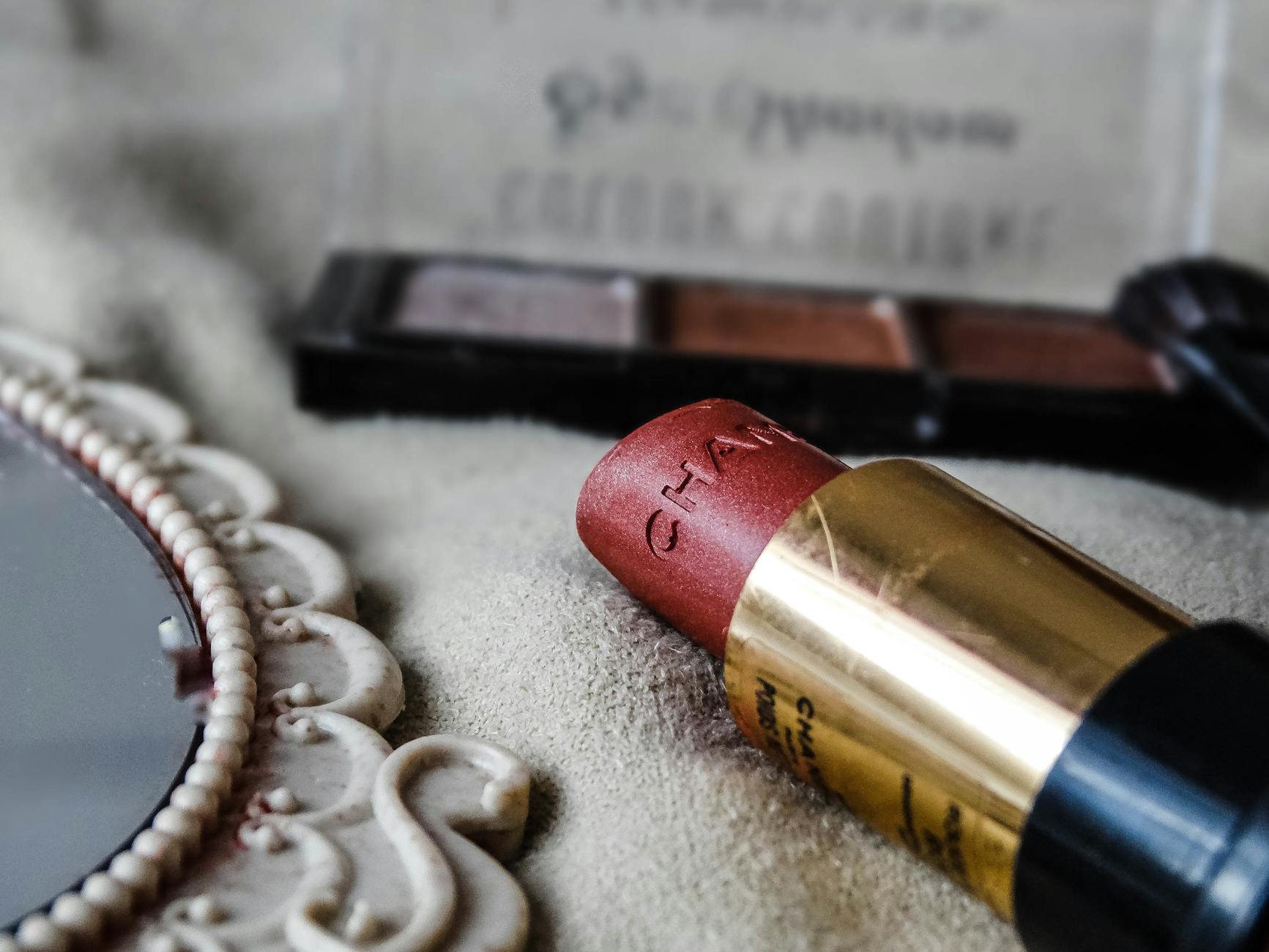
Chanel makeup isn’t about trend-chasing; it’s about refinement. Its formulas are famous for elegant textures—foundations that melt into skin, lipsticks that feel weightless, and packaging that communicates status before application. Chanel’s claim to fame lies in sensory experience and understated polish. However, controversies around cultural appropriation have highlighted the tension between luxury branding and modern accountability, forcing the brand to evolve its global awareness.
Anastasia Beverly Hills: The Brand That Changed Brows Forever
Anastasia Beverly Hills reshaped beauty routines by professionalizing eyebrows. Before Dipbrow and Brow Wiz, brows were an afterthought. Anastasia turned them into a core facial feature, backed by measurable techniques like the Golden Ratio. The brand’s influence sparked an entire brow category across beauty. While digital security issues briefly damaged consumer trust, its brow expertise remains unmatched in the market.
When Popular Makeup Brands Lose Their Momentum
Even iconic brands can fade if they fail to adapt. Labels like Stila, Hard Candy, and Bonne Bell struggled because they stopped innovating or misread evolving values. Modern consumers demand inclusivity, digital engagement, and consistency. Brands with limited shade ranges, stagnant formulas, or unresolved controversies often lose relevance quickly in an industry where trends move faster than loyalty.
What Smart Beauty Shoppers Know Now
Today’s beauty consumers understand that prestige doesn’t always equal performance. Many affordable brands now use similar labs, pigments, and technology as luxury houses. The smartest shoppers identify what each brand truly excels at—lip color, complexion, brows, or texture—and invest selectively. Knowing a brand’s real claim to fame helps cut through marketing noise and build a routine based on results, not reputation.
The most popular makeup brands didn’t become famous by chance—they earned recognition by mastering one thing exceptionally well. When you understand that, you stop chasing hype and start choosing products that actually deliver.
This post is for informational purposes only and isn’t a substitute for professional medical guidance. As an Amazon Associate, I earn from qualifying purchases – at no cost to you!
Leave a Reply