
Nobody in Sardinia’s mountain villages is chasing glass skin, and yet the way they eat makes a pretty great plan for your face. In five places known for long lives (Okinawa in Japan, Sardinia in Italy, Costa Rica’s Nicoya Peninsula, the Greek island of Ikaria and the Adventist community in Loma Linda, California), everyday meals look surprisingly alike. Think beans almost every day, plenty of plants and whole grains, a handful of nuts, olive oil, a little meat and not much sugar. That plate is full of the nutrients your skin leans on as it ages. It won’t give you a glow by Friday, but it’s a warm, easy way to feed your skin from the inside.
Where the Blue Zones are, and how they got the name
The name goes back to the early 2000s, when researchers mapping pockets of unusually long life circled them in blue ink, and it stuck. Journalist Dan Buettner later made the idea famous and grouped the five places together.
On paper, they couldn’t be more different. Okinawa is a subtropical island chain, and Sardinia’s long-lived hotspot is a rugged mountain region full of shepherds. Nicoya is dry Central American farmland, Ikaria is a windy island in the Aegean, and Loma Linda is a Southern California suburb with a hospital and a university.
The weather, the cooking and the faiths all differ, and still the food keeps landing on the same handful of habits.
Seven habits the five plates share
Beans and lentils, every day. You’ll find black beans in Nicoya, fava beans and chickpeas in Sardinia and Ikaria, and tofu and other soy foods in Okinawa. Legumes are the most consistent food across all five places, and they’re exactly what the typical American plate is shortest on.
Mostly plants. Greens show up constantly (Ikarians even forage wild ones), along with sweet potatoes in traditional Okinawa and squash and corn in Nicoya.
Whole grains, barely processed. Sardinians eat sourdough and barley, Nicoyans eat corn tortillas made the traditional way, with corn cooked in a mineral bath (a step called nixtamalization), and the Adventists lean on oats and whole wheat.
Nuts and olive oil. Olive oil is the everyday fat in Sardinia and Ikaria, and Loma Linda’s Adventists snack on nuts regularly.
Meat as a side dish. In some regions it shows up only a few times a month, often saved for celebrations, and many Loma Linda Adventists skip it entirely.
Very little sugar or packaged food. Sweets are around, but they’re an occasional treat rather than something you eat every day without thinking.
Stopping before you’re stuffed. Okinawans have a sweet saying for it, hara hachi bu, which is a little reminder to stop eating when you’re about 80 percent full.
If you like a cheat sheet, this is what each kitchen leans on most:
- Okinawa, Japan: sweet potato, tofu and other soy, bitter melon, seaweed and green tea
- Sardinia, Italy: fava beans, barley, sourdough, olive oil and goat or sheep milk cheese
- Nicoya, Costa Rica: black beans, corn tortillas, squash and tropical fruit
- Ikaria, Greece: wild greens, chickpeas and lentils, olive oil, herbal tea and potatoes
- Loma Linda, California: nuts, oats, beans, fruit and vegetables, often with no meat at all
What the research can and can’t promise
Blue Zone research is observational. Researchers visited these communities and described how people live, which can show a pattern but can’t prove beans are the reason anyone reached 100. People in these places also walk a lot, nap, live near family and belong to close communities, and there’s no clean way to pull the food apart from everything else.
Some researchers have also questioned the birth and death records in a few of these regions, arguing that part of the famous longevity could come from paperwork mistakes rather than biology. Others stand by the core findings, and that debate is still open.
So why take the food seriously at all? Because the same way of eating shows up again and again in much bigger nutrition research. Diets full of legumes, vegetables, whole grains, nuts and olive oil, with little processed meat or added sugar, are linked to lower rates of heart disease and type 2 diabetes. The Blue Zones are the memorable story, and the wider research is what gives the pattern its weight, so see it as a well-supported way to eat rather than a ticket to 100.
Why your skin cares what’s on the plate
Your skin has its own blood supply, and it rebuilds itself from what you eat. Nobody has put a group of people on a Blue Zone diet and counted their wrinkles, but a lot is known about the nutrients this way of eating delivers in big amounts.
Carotenoids. These are the orange, red and deep green pigments in sweet potatoes, carrots, squash and leafy greens, and they actually build up in your skin. People who eat plenty of them tend to have a slightly warmer, more golden skin tone, and they may give skin a small bit of extra help against sun stress. Small really is the key word, because they’re no stand-in for sunscreen.

Polyphenols. Green tea, olive oil, beans, herbs and berries are full of them, and early research suggests some of them may help skin cope with everyday stress from sun and pollution. Results in people are mixed, so enjoy the green tea and keep wearing your SPF. Harney and Sons Organic Green Tea makes it an easy daily habit borrowed from Okinawa, and it doesn’t taste like grass clippings.
Vitamin C. Your body needs it to make collagen, the protein that keeps skin firm, and a plant-heavy plate makes it easy to get enough. Going way past enough doesn’t seem to build extra collagen, but running low won’t do your skin any favors.
Healthy fats. Olive oil, walnuts and, in the coastal regions, fish give your skin barrier the fats it relies on. Omega-3s may help some dry or irritated skin, although the evidence is a lot stronger for heart health than for your complexion.
Less sugar. When blood sugar runs high, sugar sticks to proteins like collagen and forms compounds called AGEs (advanced glycation end products), which can make collagen stiffer and more brittle over time. Meals built on beans and whole grains, with little added sugar, keep blood sugar steadier, and that’s one of the more believable ways food and skin aging connect.
All of this adds up to gentle support, not a makeover. Sun, smoking, sleep and your genes shape your skin far more than any single food can. If you’re curious about the bigger picture, the full rundown on diet and skin lives here, and there’s a separate guide if you want the specific anti-inflammatory foods worth stocking.
Eating this way without moving to Sardinia
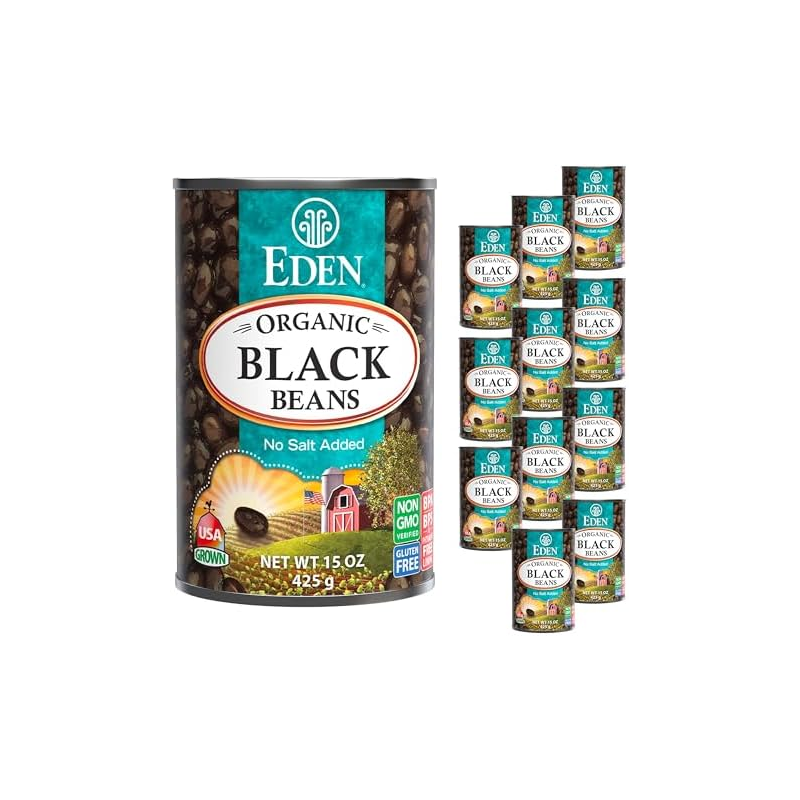
Put beans on the table once a day. Lentil soup, hummus at lunch, black beans in a burrito bowl or chickpeas tossed into a salad all count. No-salt-added Eden Organic Black Beans cover the nights you won’t cook from dry, and they’re Nicoya’s favorite bean. Bob’s Red Mill Red Lentils need no soaking and cook in about 20 minutes, which makes them the easiest daily legume there is. The Blue Zone research points to about a cup of beans a day, but start with half that if your stomach needs time to adjust, because it probably will.
Make olive oil your go-to fat. Cook with it, dress your salads with it and drizzle it over beans. Reach for extra virgin when you can, since it holds on to more of the polyphenols. California Olive Ranch Extra Virgin Olive Oil is a fairly priced everyday bottle you won’t feel precious about cooking with.
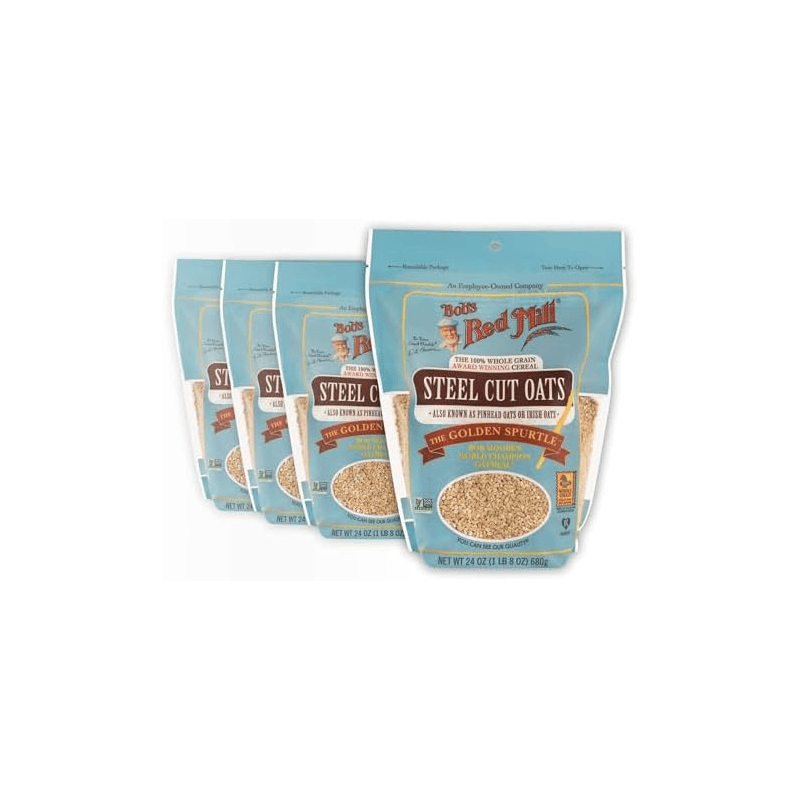
Swap one refined grain. Try steel-cut oats instead of sugary cereal, sourdough or whole grain bread instead of white, or brown rice or barley instead of white rice. Bob’s Red Mill Steel Cut Oats have a nice chew and are much gentler on your blood sugar than sugary instant packets. One swap you’ll stick with beats five you’ll drop by next week.
Keep nuts where you snack. A small handful of walnuts or almonds in place of chips is an easy win, and walnuts bring plant omega-3s along for the ride. Keep a bag of Diamond of California Walnuts in the fridge so they stay fresh and don’t go rancid.
Eat color at two meals. Sweet potato, greens, peppers, tomatoes and squash cover your carotenoids and your vitamin C without any extra effort.
Save meat and sweets for sometimes. Nothing’s off limits. They’re just not a daily thing.
Stop a little early. Put your fork down when you feel satisfied, before you feel full.

If cooking dried beans sounds like a whole project, a pressure cooker turns them into dinner in under an hour with no overnight soak, and dried beans cost less than canned. An Instant Pot Duo Pressure Cooker is the one tool that makes daily beans feel easy. Canned beans are great too, as long as you rinse them to cut the salt.
For more on eating and living for your skin, browse our wellness section.
Where to start, depending on you
If beans barely show up in your week right now, start with about a quarter cup of lentils or chickpeas a day for two weeks and build from there. A sudden jump in fiber is the fastest way to give up on the whole idea.
If you only want to change one thing, cut back on added sugar before you buy any superfood. Steadier blood sugar is one of the clearest links we have between food and collagen.
If you’re vegetarian or vegan, you’re already close to the Loma Linda way of eating. Walnuts or ground flax can cover your plant omega-3s, which is the gap a meatless plate most often leaves.
If you’re eyeing supplements as a shortcut, skip them unless your doctor finds a real deficiency. The research behind this pattern comes from whole foods, not capsules.
If you’ve read about Blue Zone skincare routines, that’s a separate topic from the kitchen, and the Blue Zone skincare habits guide covers those here.
The sweetest part of all this is that nobody in these five places eats for their skin. They just eat the same simple food, year after year, and that steady habit is the part worth copying.
The lifestyle habits that sit beside the plate
The food gets most of the attention because it’s easy to put beans in a bowl and call it a plan. But the Blue Zone pattern isn’t only a grocery list. The repeat themes are pretty simple: people move through ordinary life, cook more than they unwrap, rest in a real rhythm, see the same people often and have some reason to be needed. Not flashy. Very useful.
For skin, the sleep piece is one we’d actually pay attention to. Small studies have linked poor sleep with slower skin barrier recovery and more visible signs of aging, so a steadier bedtime isn’t just a nice wellness idea. It’s the kind of unsexy habit your face may notice, especially if your current routine is one more episode, one more email and then wondering why your skin looks annoyed.
Stress belongs in the same conversation. Sustained stress hormones can affect immune function and inflammatory signaling, and research suggests eczema and psoriasis often flare when stress is high. That doesn’t mean a calmer calendar replaces your routine or your doctor’s advice. It just means the walk, the nap, the regular lunch with people who know you and the screen-free wind-down aren’t side quests.
One important reality check: traditional Blue Zone life often meant lots of time outdoors, farming, fishing, shepherding or walking under strong sun. That’s great for movement and terrible for pretending this is a wrinkle-prevention secret. Think of it as a healthspan blueprint, not a shortcut to smoother skin. If your main goal is how your face ages, daily sun protection still does the heaviest lifting.
How long it takes, and who should check with a doctor first
Eating this way can support healthier skin over time, but it won’t undo visible aging, and daily sunscreen and not smoking still do far more for how your skin ages. Skin renews itself over several weeks, and the color changes from carotenoids took a couple of months to show up in research, so think in seasons rather than days and expect something subtle.
For healthy adults it’s a balanced, mainstream way to eat. If you have kidney disease, a digestive condition or diabetes, or you take blood thinners, talk to your doctor before a big change in fiber, fat or leafy greens.


