
This post contains affiliate links. As an Amazon Associate, Millennial Skin earns from qualifying purchases at no extra cost to you.
If you’ve scrolled past yet another video of someone gliding gracefully on a sliding carriage and wondered what exactly they’re doing — you’ve officially entered the era of reformer pilates. This machine-based workout has moved from niche physical therapy staple to full-on cultural moment, and the hype is backed by real results. Whether you’re a total beginner or a mat pilates regular looking to level up, here’s your complete guide to what reformer pilates actually is, what it does for your body, and how to get started.
What is reformer pilates?
Reformer pilates is a form of pilates performed on a specialized piece of equipment called a reformer machine, rather than on a mat. Like all pilates, it traces back to Joseph Pilates in the early twentieth century and is built around controlled movement, intentional breath, and precise body alignment. The reformer version adds variable resistance and physical support that you simply can’t replicate on the floor — which makes it one of the most versatile low-impact workouts available today.
How does the reformer machine work?
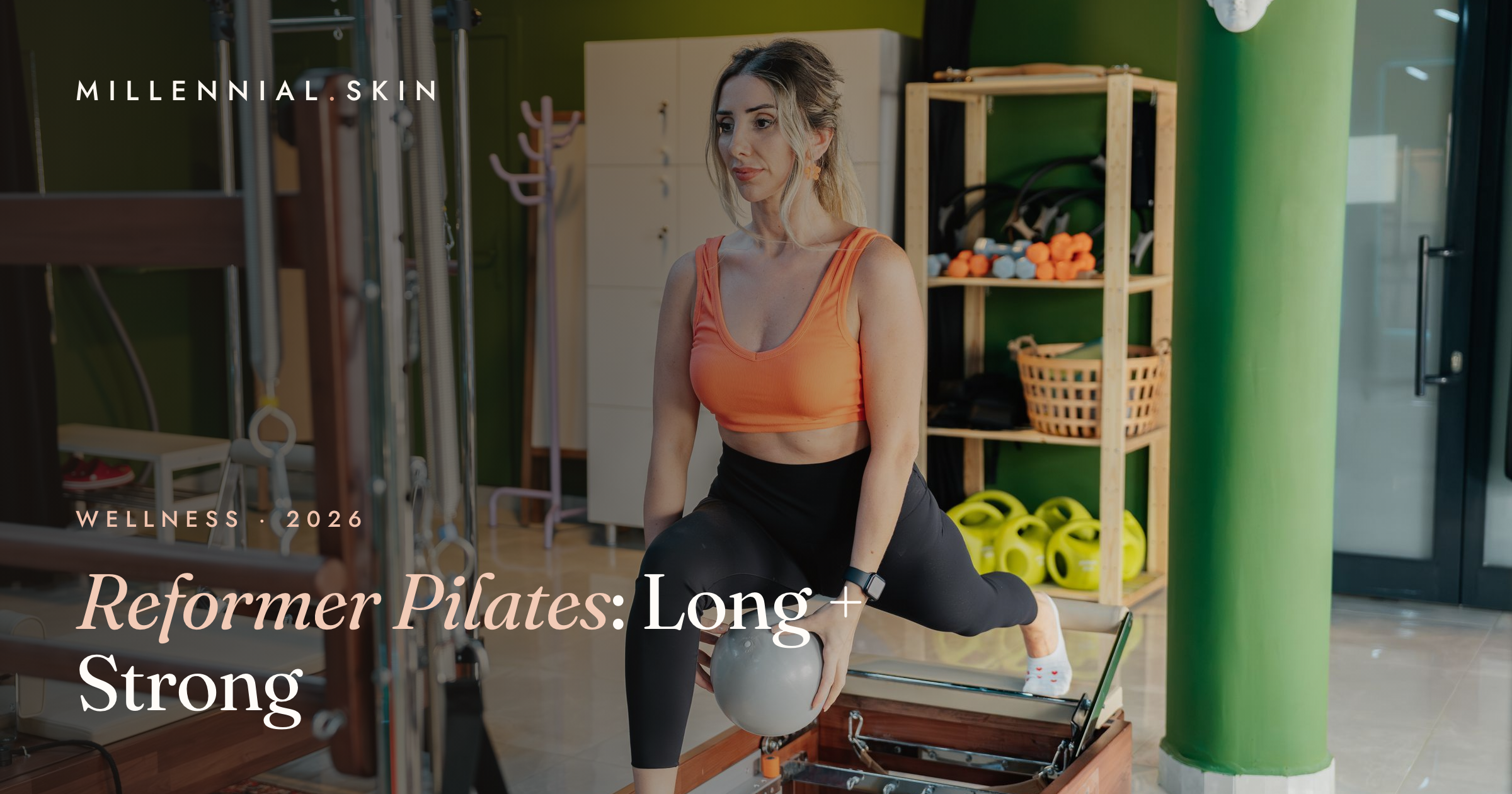
The machine looks complicated at first, but the concept is elegantly simple. It’s a padded sliding carriage mounted on a frame and connected to a set of adjustable springs. You move the carriage using your feet, hands, or a set of straps, while the springs provide resistance or assistance depending on how they’re configured. A footbar at one end, adjustable shoulder blocks, and long loops give you dozens of exercise variations that target everything from your deep core to your glutes, hamstrings, back, and arms. That spring system is the key differentiator: it can make a movement harder or easier, which is why the reformer is far more scalable than it looks.
Reformer pilates vs. mat pilates
Both styles share the same foundational principles — core engagement, controlled breath, and alignment — but the day-to-day experience is quite different. Here’s a straightforward comparison:
| Feature | Reformer Pilates | Mat Pilates |
|---|---|---|
| Equipment | Reformer machine (springs, carriage, straps, footbar) | Mat only |
| Resistance | Variable spring resistance | Bodyweight only |
| Difficulty scaling | Highly adjustable for all levels | Limited to what your bodyweight allows |
| Cost | Higher (studio classes or home machine investment) | Low (mat plus free or inexpensive classes) |
| Best for | Full-body toning, rehab, beginners with live instruction | Building foundational pilates technique affordably |
What are the benefits of reformer pilates?
The benefits that keep people coming back go well beyond aesthetics. Reformer pilates builds genuine core strength — not just surface abs, but the deep stabilizing muscles that support your spine and pelvis. With consistent practice, most people notice improved posture, better balance, and a more controlled range of motion in everyday movement. Because it’s low-impact and joint-friendly, it’s frequently used in physical therapy and post-injury rehabilitation settings. It’s also an excellent choice for strengthening and restoring your pelvic floor, making it a standout option for postpartum recovery and anyone working to rebuild foundational stability. And if you’re thinking about the long game, the muscle-building, posture, and mobility work you do in reformer pilates pairs directly with what we know about how exercise fights back against aging — it’s one of the smarter investments you can make for your body over time.
Is reformer pilates good for beginners?
Counterintuitively, yes — and often more so than mat pilates. The spring assistance helps you feel correct alignment and muscle engagement immediately, rather than guessing your way through it on the floor. Most boutique studios offer beginner or foundations classes specifically designed to walk you through machine setup and basic movement patterns before you join a general session. Always let your instructor know it’s your first time; a good teacher will modify exercises and keep a close eye on your form. As with any new fitness routine, check with your doctor before starting, especially if you’re pregnant, recovering from an injury, or managing a health condition.
Studio classes vs. a home reformer
Boutique reformer studios have spread to most mid-sized cities and beyond, with drop-in class prices typically running $25 to $45, or less with a membership. The studio experience gives you live instructor cueing, accountability, and a built-in community — genuinely valuable when you’re learning the machine. Home reformers are a real investment: entry-level foldable models start in the low hundreds, while professional-grade machines can run several thousand dollars. If you’re consistent, a home reformer pays for itself quickly compared to studio costs. Not ready to commit? A resistance band set and grippy socks can bring a meaningful chunk of the pilates method into your living room while you decide.
What to expect in your first reformer pilates class
Arrive five to ten minutes early to introduce yourself and flag that you’re new — most instructors will give you a quick machine orientation before the group gets started. The class itself moves at a deliberate pace with clear verbal cues: expect footbar work, a side-lying leg series, core sequences, and strap exercises for the upper body. You’ll likely feel muscles you forgot you had, particularly in the inner thighs and deep abs. Some light soreness in the day or two after is completely normal and tends to ease after your second or third session. Most people leave their first class feeling noticeably taller and surprisingly calm.
The best reformer pilates gear to try in 2026
You don’t need a lot to get started, but the right pieces make a real difference — whether you’re heading to a studio or building a practice at home.
| Product | Best for |
|---|---|
| Grippy Pilates Barre Socks | Studio classes; prevents slipping on the reformer carriage |
| Foldable Home Pilates Reformer | At-home practice without a permanent studio footprint |
| Pilates Resistance Band Set | Mimicking reformer spring resistance in floor workouts |
| Fitted Pilates Workout Set | Moving freely so your instructor can see and correct your alignment |
Reformer pilates FAQ
How often should I do reformer pilates?
Two to three sessions per week is the sweet spot for most people — frequent enough to build strength and body memory, with enough rest days for recovery. If you’re brand new, starting with one or two classes a week and building from there gives your body time to adapt without overdoing it.
Will reformer pilates help me lose weight?
Reformer pilates builds lean muscle and supports a healthy metabolism, which contributes to body composition changes over time. It’s not a high-calorie-burn cardio session on its own, but paired with other movement and a balanced diet, most people notice meaningful toning and definition with consistent practice.
Is reformer pilates safe during pregnancy?
Many instructors offer prenatal modifications, and pilates is generally considered a gentle, appropriate option during pregnancy — but you should always get clearance from your OB or midwife first. Seek out a certified prenatal pilates instructor who can tailor every session to your trimester and any specific restrictions you’ve been given.
What should I wear to a reformer pilates class?
Fitted, stretchy clothing is best — think leggings and a snug tank or sports bra — so your instructor can clearly see your alignment and give accurate corrections. Grippy socks are typically required in studio settings; most studios sell them at the front desk if you forget to bring a pair.
How is reformer pilates different from yoga?
Both emphasize breath, mindful movement, and mind-body connection, but reformer pilates is more strength-and-resistance-focused while yoga leans into flexibility, balance, and stillness. They complement each other well, and many people who love one find they enjoy the other for exactly that reason.
Leave a Reply