
By lunchtime your roots look like you slept in a deep fryer, while the last three inches of your hair are so parched they could pass for straw. It’s the same head on the same day with two completely opposite problems, and every product you own seems to fix one while wrecking the other.
Combination hair is real, and it’s so frustrating because the usual advice cancels itself out. Wash more to fight the grease and your ends turn to hay, but slather on moisture to save your ends and your scalp throws a slick little party by noon. Chances are you’ve been treating your whole head like it has one texture, when really it has two.
So forget hunting for one magic shampoo. What works is zoning: you stop treating your hair as a single unit and start caring for the top half and the bottom half like two different people who happen to share an apartment.
Why your roots get oily while your ends stay dry
Your scalp makes sebum, which is the oil. It’s supposed to travel down the hair shaft and condition the length, a neat system that works beautifully on short, straight, fine hair and falls apart on almost everyone else.
The longer your hair, the farther that oil has to travel, and it rarely makes the full trip. It pools at the roots because there’s a fresh supply every single day. Your ends, on the other hand, are the oldest part of your hair, and they’ve lived through years of heat, color, brushing, ponytail elastics and towel friction. They’re porous and thirsty, and the natural oil never reaches them.
Wavy and curly textures make it worse, because the bends in each strand act like tiny roadblocks for the oil. So you end up with a scalp that’s overproducing and lengths that are starving, all at the same time. Nothing’s wrong with you. It’s simply how oil travels and how hair ages.
How often to wash when your roots get greasy
Less, almost certainly, and this is the part people hate hearing. When you strip your scalp every morning, it can respond by making more oil, so you’re basically training it to be greedy. Back the washes off and, after an adjustment stretch of a week or two that’s admittedly kind of gross, your scalp usually settles down and makes less.
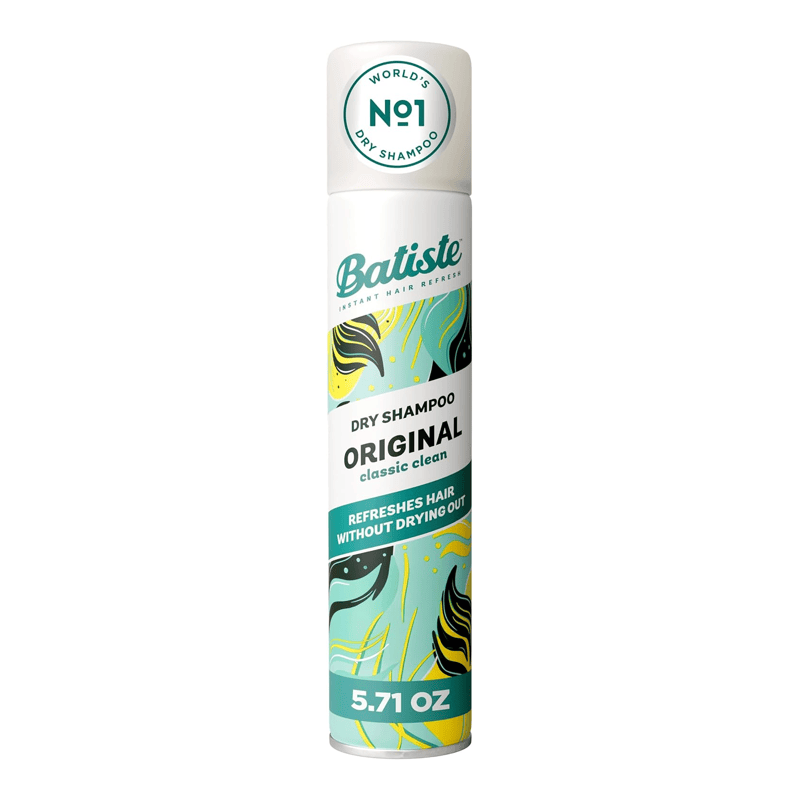
Aim to stretch to every other day, then push toward every third day if your scalp is happy with it. That gap is where dry shampoo earns its keep. A good dry shampoo soaks up oil and adds a little grip and volume at the root. It won’t clean your scalp the way a real wash does, but it soaks up oil and buys you a day, and that’s a genuinely useful thing to buy.
Two habits make the stretching bearable. First, apply dry shampoo before you’re greasy, ideally the night before a non-wash day, so it absorbs oil as it forms instead of sitting on top of a slick. Second, keep your hands out of your hair, since every touch moves oil straight to your roots.
Wash day, zone by zone
The move that changes everything costs nothing: shampoo only your scalp, condition only your ends. That’s the whole idea in one sentence, and this is how it plays out in the shower.
Step 1: Shampoo the scalp. Work the lather into your roots and scalp with your fingertips and really scrub the oily zone, then let the suds rinse down the length on their way out. A lightweight root-focused shampoo cleans the oily zone without the squeaky, stripped feeling that triggers rebound grease. That runoff is plenty of cleaning for your mid-lengths and ends, which weren’t dirty to begin with. Don’t pile your long hair on top of your head and scrub it like laundry, because you’re just roughing up the dry part for no reason.
Step 2: Squeeze out the water. Gently wring out the excess before you condition, so the product actually soaks in instead of sliding right off.
Step 3: Condition from the ears down. Conditioner is the mirror image of shampoo, so start at your ears, go down, and never put it on your scalp. This is where a rich mid-lengths-to-ends conditioner belongs, since your ends are where the moisture should go. This is the step a lot of oily-root people skip out of fear, and skipping it is exactly why their ends stay crispy. Your roots already get oil on their own, while your ends are begging for it. Comb it through with your fingers or a wide-tooth comb and give it a couple of minutes if you have them.
Step 4: Rinse cool. Finish with a cooler rinse if you can stand it. It won’t work miracles, but it can help your hair look smoother and a little shinier. Want to go deeper on wash-day habits? We keep breaking them down over in the hair archive.
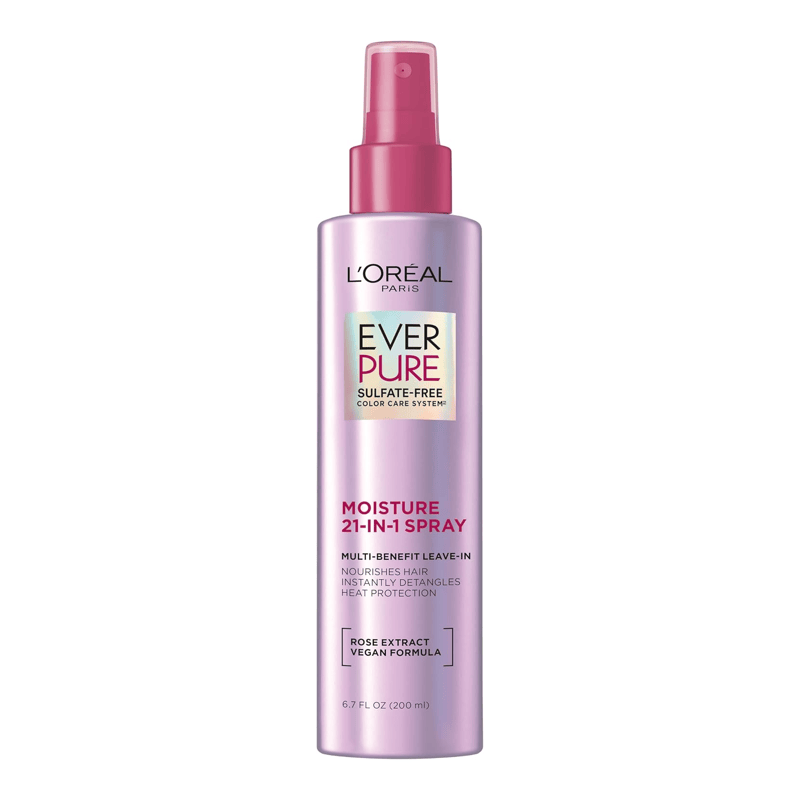
One warning applies to almost all of these: apart from the shampoo and dry shampoo, keep them off your scalp. Leave-ins, oils and rich conditioners belong to the bottom half of your hair, and if they creep upward you’re right back to noon grease. After you wash, mist a leave-in conditioner spray from mid-shaft down so your ends don’t dry out between washes. Then warm one or two drops of a light hair oil between your palms and press it onto the very tips to seal in moisture and tame frizz.
Where each product goes
“Condition your ends” is easy to say and even easier to fudge in the shower when you’re half awake, so here’s a simple map to keep in your head.
- Scalp and roots: shampoo, dry shampoo, fewer washes and hands off. Keep conditioner, leave-in, oil and heavy creams away from here.
- Mid-lengths: a light pass of conditioner and a mist of leave-in. Skip scrubbing shampoo straight into this part, and don’t let oil pool here.
- Ends: your richest conditioner, leave-in and a whisper of oil. Nothing drying, and never skip the moisture step.
Give your scalp a couple of weeks to adjust before you decide this isn’t working, because the first stretch of longer gaps between washes always feels like a mistake right up until it doesn’t. You won’t get a bone-dry scalp and silky ends on the same afternoon, and that’s not really the goal anyway. What you’re after is roots that make it to dinner and ends that stop crunching, which is very doable and mostly free.
If your ends still look worse right after a wash, you’re probably scrubbing shampoo into the length or going too light on conditioner below the ears. For the rest of our wash-day and product guides, head to the hair archive.


