
You curl, you coat, you even wipe the extra off the wand. Then three hours later you catch yourself in a car window and there it is again, a soft gray shadow under each eye like your mascara quietly clocked out. Smudging feels random, but it almost never is. There’s usually one pretty boring reason behind it, and once you know which one is yours, the fix is quick. Most of the internet will tell you to switch to waterproof and call it a day, which works for some people and backfires for others. For most of us, the better answer is a formula plenty of shoppers walk right past, and we’ll get there, but first let’s figure out why it’s happening.
Why mascara slides under your eyes
Mascara wanders for a small handful of reasons, and they tend to pile up. Sort out which ones apply to you and you’re most of the way to clean under-eyes at 6pm.
Your lids run oily. This is the big one. Regular mascara is pigment held in wax and oil, so when your skin makes its own oil, it slowly breaks down that wax base and the loose pigment rides the oil onto the skin under your lashes. If the smudge shows up even on days you didn’t cry, sweat or rub your eyes, oil is almost certainly behind it.
Your skincare is still wet. A rich eye cream, a dewy moisturizer, a face oil or a hydrating primer put on too close to your lash line, too soon before makeup, gives mascara a slick surface to slide onto. It doesn’t even have to feel greasy to do this. It just has to not be fully sunk in yet.
Your lashes point down. Straight or downturned lashes rest against your skin instead of curving away from it, so every blink presses freshly coated lashes into the same spot under your eye. Curling changes that completely, and it’s the step people skip most.
You touch your eyes a lot. Watery eyes, allergies, a stray lash, an itch while you’re at your desk: rubbing is what actually leaves most smudges behind, and a lot of us do it way more than we realize.
The formula just isn’t right for you. Some mascaras smudge on almost everyone because they never fully set. If one tube smears no matter what you do, believe it and move on.
Prep your under-eyes before mascara
Half the battle is won before you even open the tube, because the skin around your eyes needs to be dry and matte, not tacky.
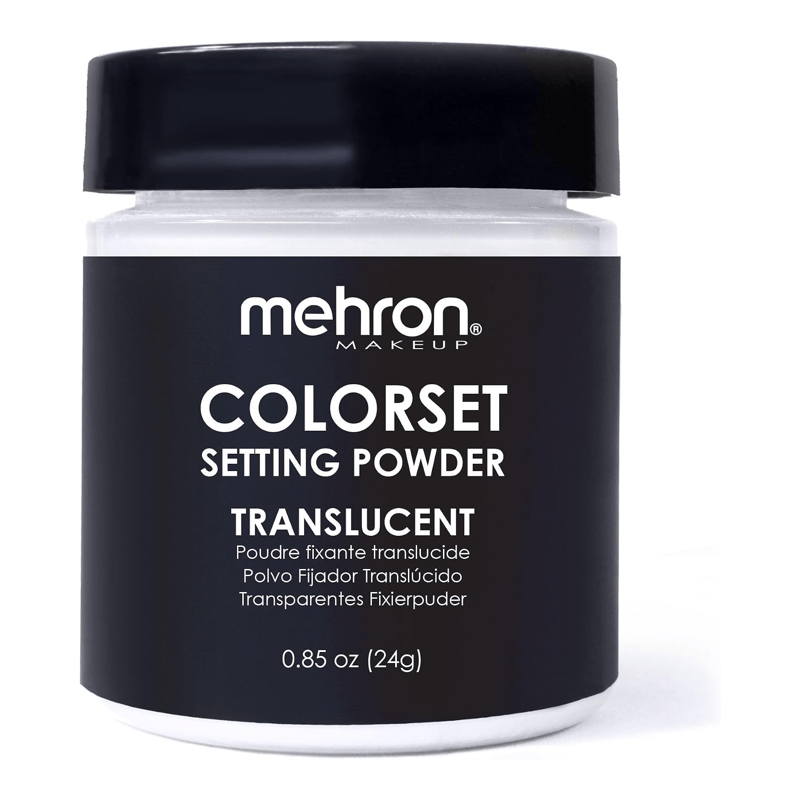
Give your eye cream real time to sink in, ideally as long as it takes to brush your teeth and pick an outfit, not thirty seconds. Then dip a fluffy brush in a tiny bit of translucent setting powder and press it gently along your under-eyes, right up to the lash line. You’re not baking your whole face here. You just want the thinnest matte layer, so if any pigment does drift down, it lands on powder instead of bare, slightly damp skin. This one habit fixes more smudging than any single product swap, and it costs almost nothing.
Curl your lashes next, always before mascara and never after. Clamp a hand curler at the base, give it a gentle squeeze, then release slowly. Lifting downturned lashes off your skin is what keeps your look crisp instead of blurry by noon. For sparse or stubbornly straight lashes, a lash primer base adds thickness and grip, and then your mascara handles the color and hold.
Tubing mascara, the fix nobody talks about
If you’re fighting under-eye smudge, tubing mascara is the answer, and it’s wildly underrated because the name sounds gimmicky and the packaging rarely explains what it does.
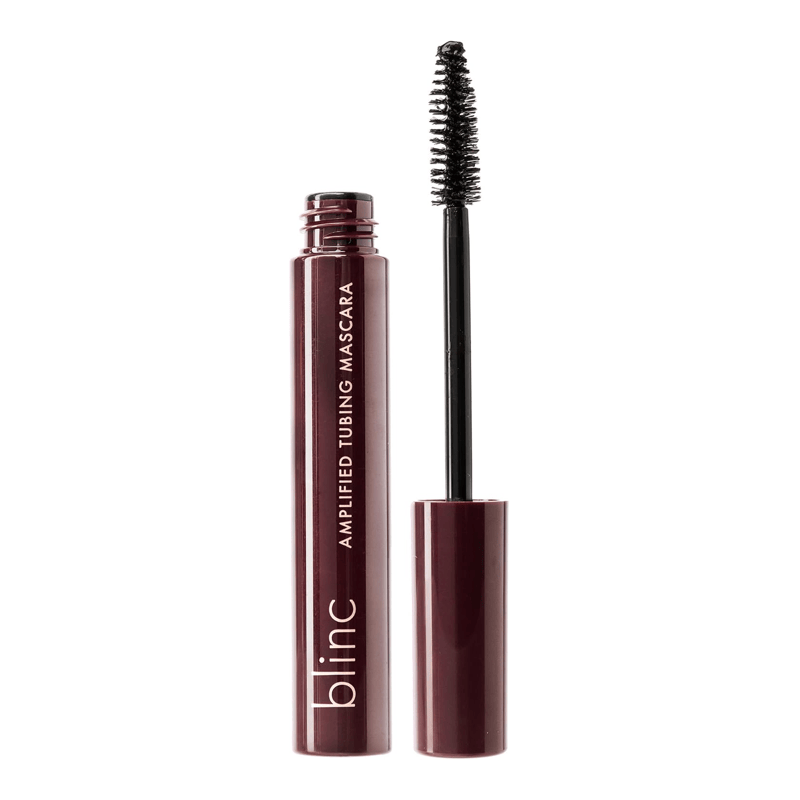
Instead of wax and oil, tubing mascara is made of polymers that wrap each lash in a flexible little tube of color, like a tiny sealed sleeve around the hair. Oil doesn’t dissolve that sleeve, which is exactly why oily lids can’t break it down and drag it south. It doesn’t reactivate when your eyes water, and it won’t flake into powdery bits that settle under your eye. When you’re ready to take it off, warm water and a little gentle pressure slide the tubes right off, often in soft dark flecks you can rinse away. No scrubbing, no black-smeared cotton pad. Blinc Original Tubing Mascara is the original tubing formula and still one of the most foolproof, a good first try if oily lids have wrecked every mascara you’ve owned.
If oil is your problem, and for most everyday smudgers it is, tubing fixes it at the source in a way no amount of setting powder can. If you worry tubing will look too thin, Thrive Causemetics Liquid Lash Extensions adds tiny fibers for a fuller look and holds a curl through a long day.
When waterproof mascara makes sense
Waterproof has its place, it’s just built for a different problem. Its water-resistant formula shrugs off tears and sweat, so it’s the one to grab for a wedding, a humid beach day, a workout or a good cry you can see coming.
Taking it off is where it gets harder. Waterproof formulas cling tight and need an oil-based remover and some patience, and all that repeated rubbing is rough on the delicate skin and lashes around your eyes. Save it for the sweaty, teary, big-moment days. On a regular Tuesday, when the problem is your own lid oil, tubing is the better pick.
| If your smudge comes from… | Reach for |
|---|---|
| Oily lids (smudges on any old day) | Tubing mascara + a dusting of setting powder |
| Tears, sweat, humidity, a big event | Waterproof, just accept the harder removal |
| Straight, downturned lashes | Curler first, then tubing to hold the lift |
| Sparse lashes that need volume | Lash primer under a tubing or regular formula |
How to apply mascara so it stays put
Even the right formula can smudge if the application works against it, so a few small habits make a real difference.
Step 1: Start on clean, dry lashes. Leftover eye cream or an oily primer on the lashes themselves keeps tubing from sealing, and bare lashes grip best.
Step 2: Wiggle at the root, then pull through. Put most of the product at the base and drag it up, because loading the tips leaves extra pigment sitting right where it can drop onto your under-eyes. A thin brush like the one on L’Oreal Telescopic Original Mascara reaches even the tiny inner lashes without clumps, though it isn’t a tubing formula, so pair it with that dusting of powder if your lids run oily.
Step 3: Go easy on the bottom lashes. The lower row is where smudges show most, so give it one light pass, or skip it and let your top lashes carry the look. If you do coat them, tubing is the least likely to print downward.
Step 4: Do two thin coats, not one heavy one. Thin layers dry and hold cleaner than one thick, wet coat that never fully sets, and wet mascara is a smudge waiting to happen.
Step 5: Let it dry before you look down at your phone. Give it about thirty seconds, since blinking against half-dry mascara is how the first smudge of the day gets stamped on.
For more technique-first tips, our makeup archive is full of them.
Finding your fix
Smudging isn’t bad luck, and it isn’t your fault. It’s almost always oil, moisture or downturned lashes, sometimes all three. The easiest way to find your culprit is to change one thing at a time and check your under-eyes around 5pm. Start with the powder and the curler, and if the shadow still shows up on ordinary days with no tears or sweat in sight, swap in a tubing mascara. More often than not, that powder-and-tubing combo turns out to be the whole answer. For more picks and tricks worth the counter space, keep browsing the makeup archive.
This is part of our complete guide to long-wearing makeup.


