
It’s 7 a.m., the coffee maker is gurgling, and it’s still pitch black outside. By the time you leave work it’s dark again. If winter mornings make you feel like you’re moving through mud, you’re in good company, and a light therapy lamp is one of the simplest things you can try. Buy one you’ll actually sit in front of, every morning, for weeks.
That matters more than the brightness number on the box. The 10,000 lux printed on a light box only holds at one specific distance, so the best first lamp is the one you’ll sit close to without thinking about it. Below you’ll find what these lamps do, which one makes sense for where you are, a few small extras that help the habit stick, and who should check with a doctor before buying anything.
What a light box is meant to do
In winter, lots of us wake up in the dark and spend daylight hours indoors, under light far dimmer than even a cloudy sky. Morning light helps set your body clock, which affects when you get sleepy, how alert you feel and, for some people, mood. A light therapy lamp tries to make up for that missing morning brightness. It puts out a lot of light, usually rated at 10,000 lux at a set distance, while you eat breakfast or answer email nearby.
Brightness drops fast as you move away from the lamp. Sit twice as far back and you’re getting a fraction of the light. That one detail explains why some people swear by their lamp and others shrug, and it shapes every pick below.
These aren’t the same as red light therapy devices, which are made for skin and use a different kind of light. They aren’t sunlamps or tanning lights either. A good light box filters out UV and sits off to one side. You don’t stare into it.
A small lamp to test the habit
The hardest part of light therapy is the routine, not the gadget. You need to sit in the same spot, at about the same time, long enough to count, most mornings, for weeks. A small lamp tells you whether that fits your life before you clear space for a big one.
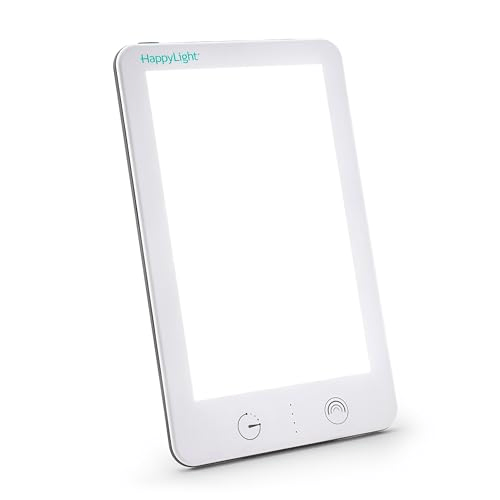
The Verilux HappyLight Lumi is a great place to begin. It’s a slim, tablet-sized panel that folds flat and stands on a desk, from a brand that has made light therapy lamps for years. You can adjust the brightness and how warm or cool the light looks, so you can ease in if full power feels harsh at first. It’s rated at 10,000 lux and is UV-free, and it usually runs about $40 to $60.
Small panels do have a narrow sweet spot. They only reach their rated brightness when you’re fairly close and roughly facing them, so leaning back or turning to grab your mug can drop you well below it. Check the manual for the suggested distance and session length, then put a little piece of tape on your desk to mark the spot.
A roomier panel without the big footprint
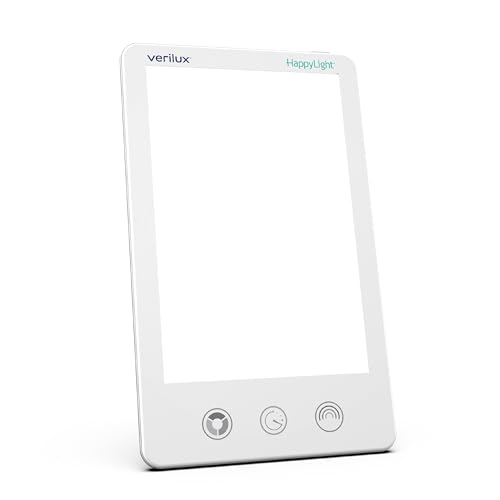
If the Lumi feels a bit too small but you don’t have room for a big stand, the Verilux HappyLight Luxe is a nice middle step. It’s a larger panel with more surface area, which gives you a little more wiggle room while you eat or type, and it still fits on a normal desk or counter.
A bigger lamp once you’re hooked
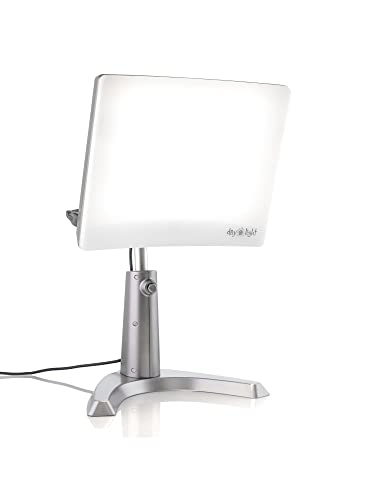
Once you know you’ll use a lamp every day, a bigger panel is just more comfortable. The Carex Day-Light Classic Plus sits on an adjustable stand and angles down over your table, more like daylight from above than a little box aimed at your face. The softer, wider glow reaches you over a bigger area, so small movements don’t knock you out of range as easily.
It’s a long-running model that comes up often when people talk about light boxes for seasonal mood. It’s rated at 10,000 lux at its suggested distance, filters out UV, and has two brightness settings for days you want a gentler start. Expect to pay about $100 to $140.
The trade-off is size. It won’t tuck into a drawer, and it suits a kitchen table or a desk you use every day much better than a shared or cramped space. If you don’t have a set morning spot yet, the extra light won’t do much for you.
Light you can wear on busy mornings
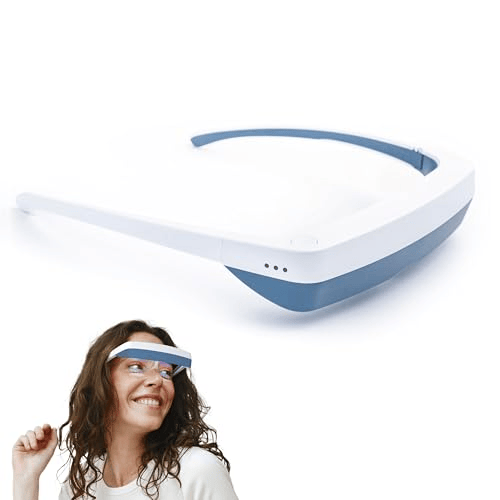
Some mornings involve zero sitting. Packing lunches, getting kids out the door, an early shift. For that life, the Luminette 3 Light Therapy Glasses are a clever answer. They sit on your face like oversized glasses and shine light down toward your eyes, so you can walk around while you use them.
For a first try, they’re a lot. At about $200 to $250, they cost several times more than a starter lamp, and since you wear them, fit and comfort matter in a way they don’t with a box on a table. They make the most sense once you’ve tried a lamp and found that sitting still is the thing stopping you. If that’s you, they can be a smart buy.
Little helpers that keep the routine going
Habits stick when they take less effort. A Kasa Smart Plug Mini lets you put your lamp on a schedule, so it’s already glowing when you sit down with your coffee. One less step on a groggy morning goes a long way.
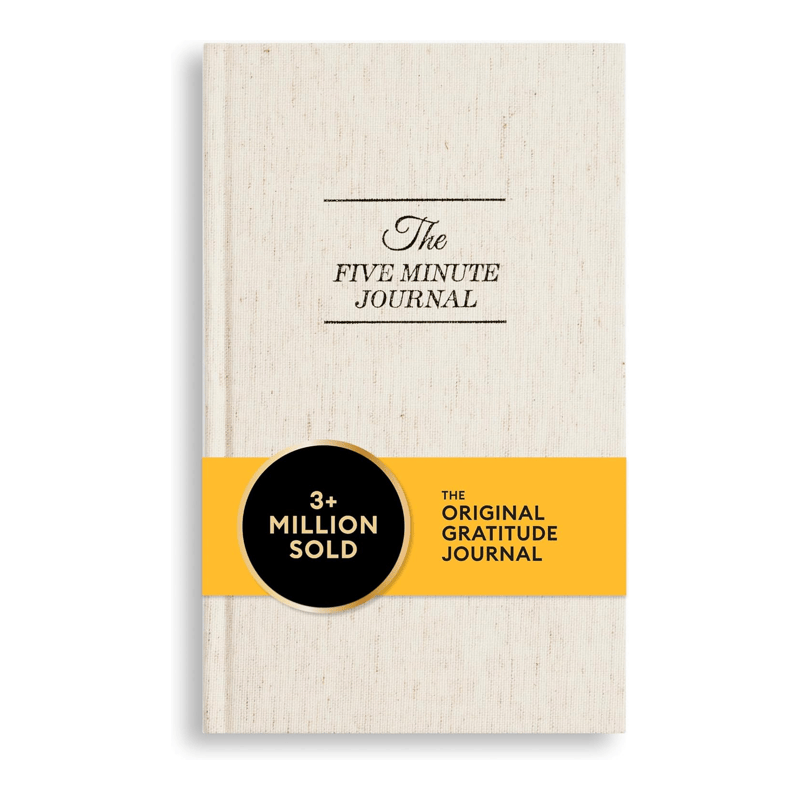
It also helps to have something to do with your hands. The Five Minute Journal gives you a short prompt to fill in while you sit by the light, and over a few weeks it becomes a simple record of how your mornings feel. That record is handy if you ever end up talking to a doctor about your mood.
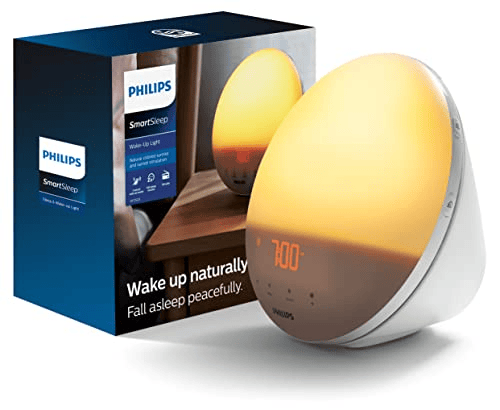
If what you really want is an easier wake-up rather than light therapy, the Philips SmartSleep Wake-Up Light brightens slowly before your alarm goes off. It isn’t a 10,000-lux therapy lamp, but waking to light instead of a buzzer in the dark makes getting out of bed feel a lot less brutal. Our Hatch Restore 3 breakdown looks at another sunrise option.
Using a lamp day to day
Most makers suggest using a light box soon after you wake up, at the distance and for the time in the manual. Skip it in the evening, since bright light late in the day can push your body clock later and make it harder to fall asleep. If you’re adjusting to the clocks going back in the fall, our guide to sleeping well when the clocks go back covers how morning and evening light fit into that week.
Set the lamp off to one side, around eye level or a little above, and carry on with breakfast. A regular bright desk lamp won’t do the same job, because it’s far dimmer at the distance you sit and isn’t built to spread light evenly or filter UV. Some people feel a difference within days, some take longer, and some notice nothing at all.
Side effects people mention include headaches, eye strain, feeling jittery and trouble sleeping. These often ease if you sit a bit farther away, cut the session shorter or use it earlier. If they don’t, stop and check with your doctor.
Who should talk to a doctor first
Bright light is gentle compared with medicine, but it isn’t nothing. Talk to your doctor or an eye doctor before starting if you have a retinal condition, macular degeneration, glaucoma, cataracts, diabetes that affects your eyes, or any other eye disease. Ask a doctor or pharmacist if you take medicine or supplements that make you more sensitive to light, which includes some antibiotics, acne treatments and St. John’s wort.
If you have bipolar disorder, or it runs in your family, don’t start light therapy on your own. Bright light has been linked to setting off hypomania or mania in some people with bipolar disorder, so only use it with a doctor’s guidance.
A lamp also doesn’t treat depression by itself. Everyday winter blues, that flat, sluggish feeling when it’s dark at five, are different from seasonal affective disorder, which is a type of depression a doctor diagnoses. Doctors may suggest light therapy as part of treating SAD, but that’s a decision to make together. Our post on winter blues and when to get help explains the difference. If your low mood lasts for weeks, gets in the way of work or relationships, or comes with hopelessness or thoughts of harming yourself, please talk to a professional now. In the US, you can call or text 988 to reach the Suicide and Crisis Lifeline any time.
When you might not need a lamp at all
If you can get outside in the morning, even for a short walk around the block, do that first. Outdoor light on a gray day is still much brighter than most rooms, and you get movement and fresh air too. If your main problem is sleep, a lamp won’t fix late-night scrolling or bright bedroom lights. Our sleep hygiene guide and the post on evening light and melatonin are better places to start.
Wondering about vitamin D in winter? That’s a separate question for your doctor, who can test your levels. Our winter vitamin D post covers the basics without guessing at amounts.
Light works best as one part of a darker-months routine, along with time outside, movement and good sleep. For the full plan, start with the darker months wellness guide, or browse the wellness archive.


