
You know those cold nights when wine feels like too much and another coffee feels like a mistake? That’s when I want something hot and a little spiced, something slow to sip while the couch does its thing.
My rotation is pretty simple: golden milk when I want earthy, chai for spice and real cacao or a reishi cocoa for chocolate cravings. Once it’s late and I’m done for the day, it’s an herbal tea. To be clear, none of these cure anything. They’re just nice rituals (and a warm mug is a pretty good excuse to sit still for ten minutes).
Here’s how to make each one, what’s actually in it and the caffeine and research facts I could confirm.
The caffeine check before you sip
Chai, cacao and coffee don’t hit the same. Chai is usually made with black tea, and the FDA puts black tea at about 71 milligrams of caffeine in a typical 12-ounce serving. Regular brewed coffee is much higher for the same amount, at 113 to 247 milligrams.
Cacao has caffeine too, just less. The FDA lists chocolate as a well-known source of caffeine, along with coffee and tea, so if caffeine messes with your sleep, I’d move the cacao cup earlier. For most adults, the FDA cites 400 milligrams a day as an amount not generally linked to negative effects, but your own limit can absolutely be lower.
What the research actually backs up
Golden milk sounds like it should be a sleepy little miracle, but there’s no good evidence that it helps you sleep. NCCIH says there isn’t enough evidence to say whether turmeric or curcumin helps with any health purpose. The practical win is simpler: spices and milk don’t bring caffeine to the mug.
Chamomile is the more classic late-night pick, and NCCIH says it’s likely safe in the amounts usually found in tea. Side effects are uncommon, but they can include nausea, dizziness and allergic reactions. If you’re allergic to related plants, you’re more likely to react.
Golden milk, the earthy one

Screenshot: Spicewalla
Golden milk is basically turmeric warmed in milk, plus a few friends from the spice drawer. Spicewalla built its blend on the turmeric milk chef Meherwan Irani’s family made in India. Its tin reads like a cozy shopping list: turmeric, cinnamon, ginger, black pepper, nutmeg and roasted coriander. And I like that it’s unsweetened, which leaves the sweetness up to you.
Making it at home is almost too easy. My Spicewalla Golden Milk card below is the exact blend from that page. You stir 1 teaspoon into 1 cup of milk in a small pot and let it simmer for 3 minutes. Strain it, add honey or maple and that’s it. For dairy-free people, oat milk makes it extra creamy. Turmeric really stains too, which is why you want a mug and spoon you don’t love too much.
Want it to feel more like a café latte than a tea? Get a cheap little frother. Zulay’s Milk Frother is a little battery wand that sits on its own metal stand and works with dairy and plant milks alike. Give it a few seconds after straining for that foamy top.
Okay, the turmeric health talk. Keep expectations low and the mug warm. According to the National Center for Complementary and Integrative Health (NCCIH), we don’t know enough to say whether turmeric or curcumin helps with any health purpose. It also notes that turmeric supplements during pregnancy may be unsafe. Golden milk only has a food-level amount of spice anyway, so it’s comfort, not medicine.


Chai for the spice people

Screenshot: Rishi Tea & Botanicals
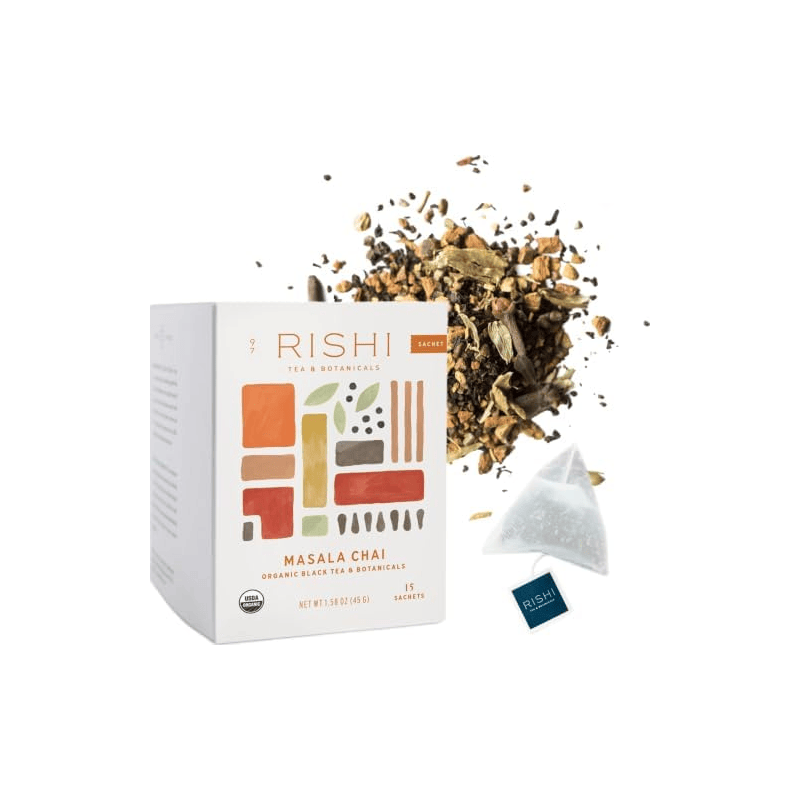
Masala chai is just black tea steeped or simmered with warm spices. Rishi’s version keeps it classic: robust black tea from the assamica plant, cardamom, cinnamon and ginger. Cracked black pepper and clove give it a little bite. Honestly, that pepper is why it tastes like real chai and not a candle.
Rishi also packs the same blend into Masala Chai sachets. One sachet, 8 ounces of 200-degree water, 5 minutes. Then pour in a big splash of steamed milk and a little sweetener. You can skip the sugar and the spices still come through loud and clear.
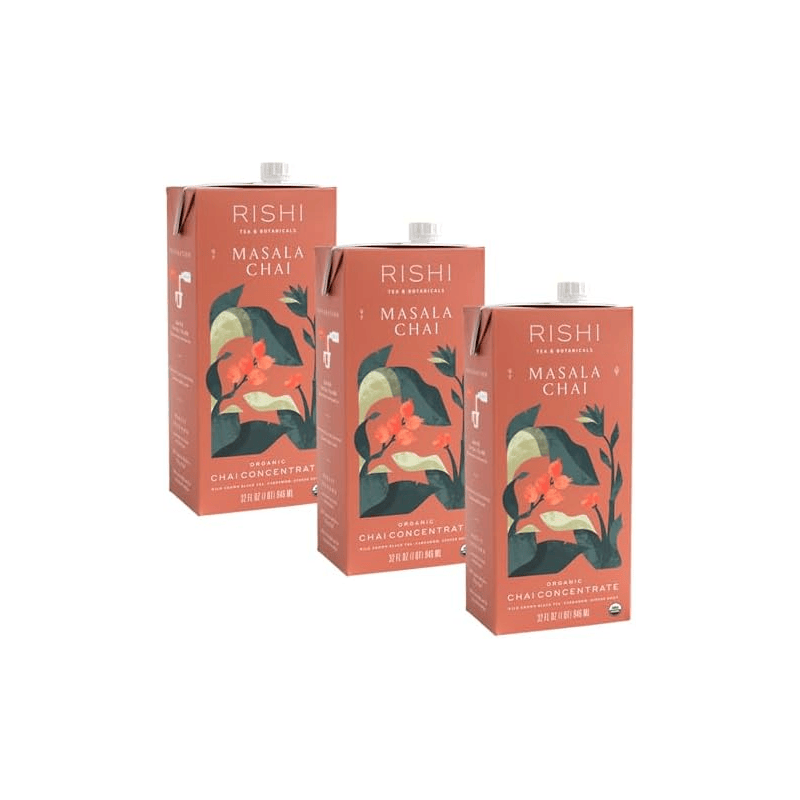
On busy nights the Rishi Masala Chai Latte Concentrate does the brewing for you. It’s one part concentrate to one part milk, warmed on the stove. Once it’s open it goes in the fridge and should be finished within a week. Not hard if chai is a daily thing at your place.
Heads-up: chai is the one drink here with real caffeine in it. A typical 12-ounce black tea has about 71 milligrams, according to the FDA, while regular brewed coffee runs anywhere from 113 to 247. That’s less than coffee, though timing still matters. I’d save chai for the late afternoon or early evening and go caffeine-free after that.
Real cacao, thick and dark
@keithscacao / Instagram
If hot chocolate packets taste like sugar with a chocolate rumor to you, real cacao is the fix. Keith’s Cacao makes 100% pure ceremonial grade cacao, the kind meant for slow sipping. Think slow sips, eyes closed, both hands wrapped around the mug. Expect it to taste richer and a bit bitter, more like melted dark chocolate than cocoa mix.
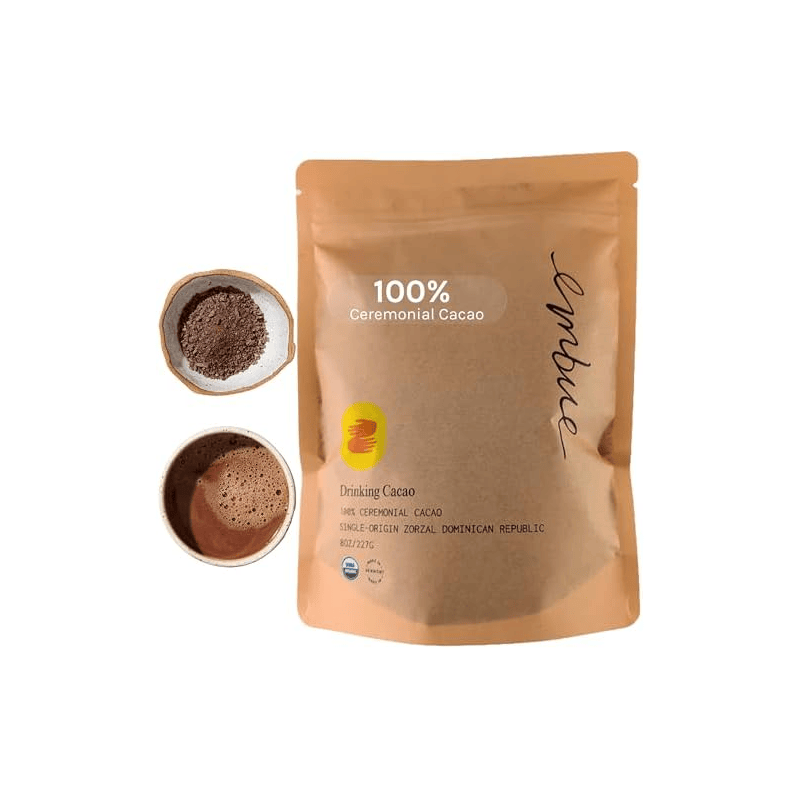
I can’t link to Keith’s here. My close match is Embue Ceremonial-Grade Cacao Flakes, which is also 100% cacao with no added sugar (single-origin, from the Dominican Republic). Go with about 3 tablespoons for a lighter cup or 6 if you want the full thing. Add 150 milliliters of hot water, froth or whisk it smooth and sweeten with honey or maple. A pinch of cinnamon or chili never hurts either.
Unsweetened cacao powder gets you most of the way there for less money and way less fuss. Navitas Organics Cacao Powder is made from fermented, dried and gently roasted beans that are never alkalized. Whisk a couple of spoonfuls into warm milk with a little maple syrup and you end up with a deep hot chocolate that isn’t too sweet. It also swaps one to one for regular cocoa powder if you bake.
Just know cacao isn’t caffeine-free, since the FDA counts chocolate among the well-known sources of caffeine. If you’re sensitive, maybe don’t make a strong mug right before bed.

Hot cocoa with a reishi twist
@foursigmatic / Instagram
This one is pure dessert in a mug. Four Sigmatic turns its reishi hot cocoa into an orange cinnamon version with a mountain of whipped cream and orange zest on top. Chocolate and orange is such an old-school combo for a cold night.
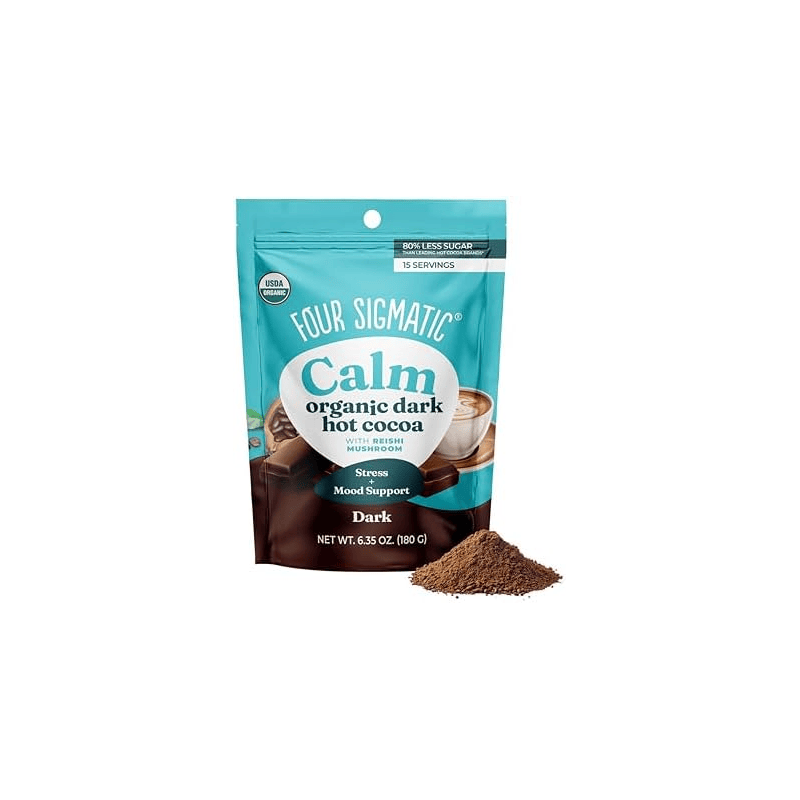
Their recipe is short and pretty forgiving. Drop 1 tablespoon of dark chocolate chips in a mug with a pinch of cinnamon and half a teaspoon of orange zest. Pour in 1 cup of warm milk and a scoop of the cocoa, stir or froth, then pile on whipped cream and more zest. The Four Sigmatic Calm Organic Dark Reishi Hot Cocoa is the exact mix they use. Inside there’s unrefined cacao, coconut milk, coconut palm sugar and monk fruit, and one pouch makes about 15 servings.
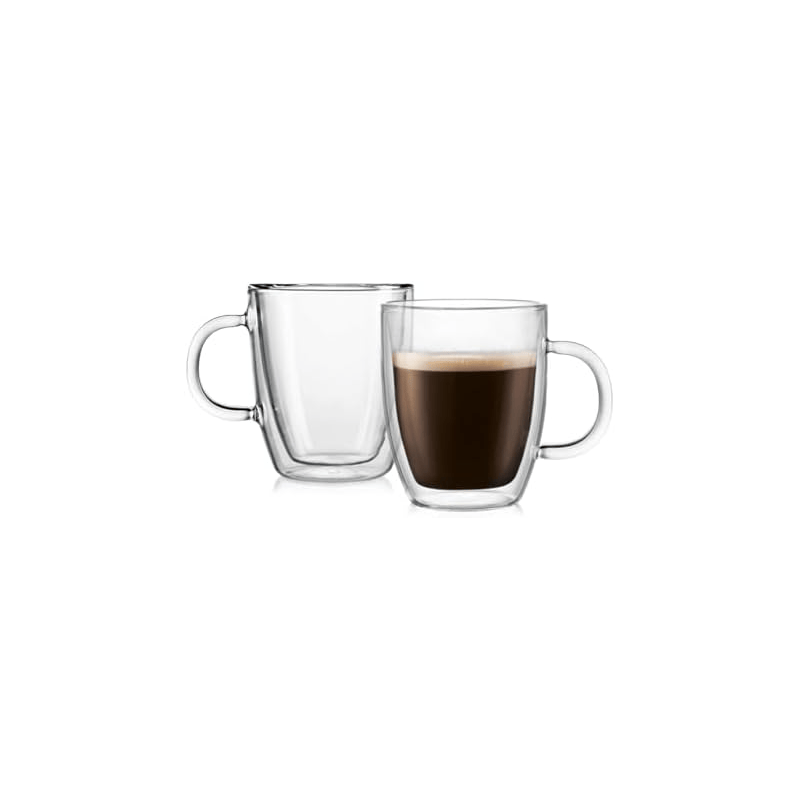
That fluted glass mug is half the charm, honestly. The Bodum Bistro Double Wall Mugs are a close stand-in made from heat-resistant borosilicate glass. Thanks to the double wall you can hold it comfortably while the drink stays hot. Plus layered drinks like this one look so good in them.
A quick word on reishi. Memorial Sloan Kettering describes it as a mushroom with a long place in traditional medicine in China, Japan and Korea. MSK also warns it can increase bleeding risk for people on blood thinners like warfarin. So if you take any regular medication, run it by your doctor before this becomes a nightly habit.
Caffeine-free cups for late nights
@pukkaherbs / Instagram
Late at night I want zero caffeine and a lot of warmth. Pukka’s Orchard Warmer is sweet apple with warming cinnamon. Fresh apples, cinnamon bark and a glass cup make it look like a perfect Sunday evening. And apple and cinnamon smell like baking without any of the dishes.
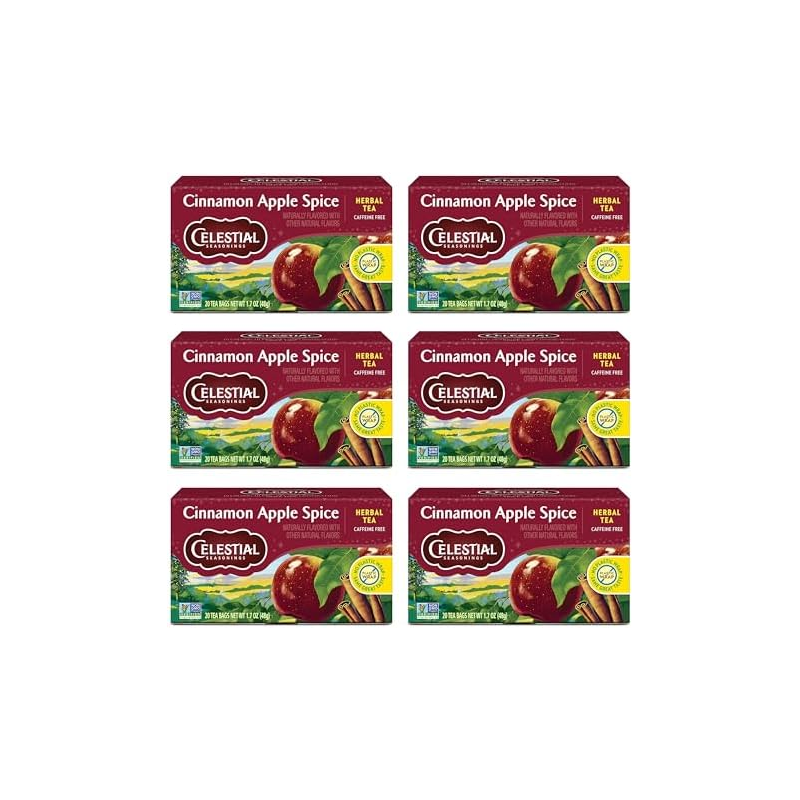
Your nearest match to Pukka’s blend is Celestial Seasonings Cinnamon Apple Spice, a caffeine-free herbal mix of cinnamon and apple. It’s got a chocolate note and a little hint of butterscotch at the end. Steep a bag in hot water for 4 to 6 minutes, and if you want it to feel fancy, drop a thin slice of fresh apple in the cup.
For something floral, Traditional Medicinals Organic Chamomile & Lavender is caffeine-free too, with a soft lavender finish. That’s the cup I’d pour right before a bath or a book.
Chamomile gets talked up as a sleep tea, which is why I looked into it. Turns out NCCIH says there’s very little information on chamomile’s effect on insomnia. A review it cites found just one insomnia study, which showed no benefit. It’s likely safe in the amounts found in tea, per NCCIH, though people allergic to related plants are more likely to react.

Pick one mug and let it be your signal that the day is over. This post is for general information and isn’t a substitute for advice from your own doctor.


