
If your feed keeps showing people massaging a clear gel into their cheeks until little rolls come off, you’ve met the Dr.Melaxin Peel Shot. HuffPost calls the K-beauty ampoule a TikTok-viral bestseller, and the black rice bottle is the version everyone seems to own.
I get the appeal. It’s quick, it’s weirdly satisfying, and smooth skin makes makeup sit so much better. Still, a peel ampoule is an exfoliant, and exfoliating is where good intentions turn into a tight, stingy face by Tuesday. So here’s what’s in it, which bottle fits your skin and how I’d use one without regrets.
What a peel ampoule actually is
A peel ampoule is a gel or serum you massage onto dry skin and then rinse off. The Dr.Melaxin Black Rice version mixes AHA, BHA and PHA, which are chemical exfoliants that loosen dead skin cells, with niacinamide, rice bran water and antioxidant-rich black rice extract. Ulta lists it for dead skin, blackheads and rough texture.
The American Academy of Dermatology explains that chemical exfoliation uses acids like alpha and beta hydroxy acids to dissolve dead skin cells, while mechanical exfoliation uses a scrub, brush or sponge. A Peel Shot is an acid formula you rub in, which is exactly why a light hand matters. Curious how ampoules differ from serums and essences? My serum vs. ampoule vs. essence guide sorts it out.
Signs you've gone too far
The AAD says too much exfoliation can leave skin red and irritated, and how often you can exfoliate depends on your skin type and the method you use. Sensitive skin may sting or burn after products, so it usually needs the slowest start.
Watch for redness that hangs around or stinging when you put on your usual moisturizer. If that happens, stop the peel gel, keep your routine bare with a gentle cleanser and moisturizer, and talk to a dermatologist if it doesn’t settle down.
The black rice bottle everyone has

Screenshot: Ulta Beauty
Dr.Melaxin Peel Shot Black Rice Exfoliating Ampoule is the hero here. Using it is simple. Cleanse, pat your skin dry, then massage a small amount onto a dry face, away from your eyes and lips. Rinse with lukewarm water and follow with toner and moisturizer.
Its directions say one to three times a week depending on your skin, even though HuffPost points out it’s pitched as a daily ampoule. I’d start at once a week and only go up if your skin stays totally calm. It isn’t meant for broken or damaged skin, and the brand notes mild tingling can happen.
I like it as a night-before step when I want makeup to sit smooth for dinner plans. My fair warning is about the rolling bits. Don’t judge it by how much comes off, because pressing harder to get more is the fastest way to end up irritated.

Dr.Melaxin Peel Shot Black Rice Exfoliating Ampoule
The viral one: AHA, BHA and PHA with niacinamide and rice bran water.
Black rice, white rice or body?

Dr.Melaxin Peel Shot Glow White Rice Peeling Ampoule uses the same AHA, BHA and PHA mix with niacinamide and hyaluronic acid. It’s aimed more at oil control. If you’re shiny with clogged pores, that’s the one I’d try first.
For body, the Dr.Melaxin Body & Face Peel Shot Duo pairs the black rice ampoule with a kojic acid and turmeric spray for rough patches. The medicube Body Peel Shot with Hypochlorous Acid is another body pick, with rice extract and panthenol for bumpy, rough skin.
Whichever bottle you pick, the same rules apply on your body as on your face. Go gently, rinse well and moisturize after. Not sure if you’ve overdone it? My guide to signs of over-exfoliating covers the red flags.

Dr.Melaxin Peel Shot Glow White Rice Peeling Ampoule
Same acid trio with niacinamide and hyaluronic acid, pitched for oil control.

Dr.Melaxin Body & Face Peel Shot Duo
Black rice peeling ampoule plus a kojic acid and turmeric spray.

medicube Body Peel Shot with Hypochlorous Acid
A body exfoliant with hypochlorous acid, rice extract and panthenol.
How to use it without overdoing it

Screenshot: American Academy of Dermatology
Dermatologist tips from the AAD for exfoliating at home line up nicely with a peel ampoule. Be gentle, use small circular motions for about 30 seconds and rinse with lukewarm water, not hot. Then put moisturizer on right away.
Check what else is in your routine first. According to the AAD, exfoliating while you use prescription retinoids, retinol or benzoyl peroxide can make dryness worse or even trigger breakouts. I’d never do a Peel Shot on a retinol night. It also advises against strong chemical or mechanical exfoliation if you have a darker skin tone, since it can leave dark spots.
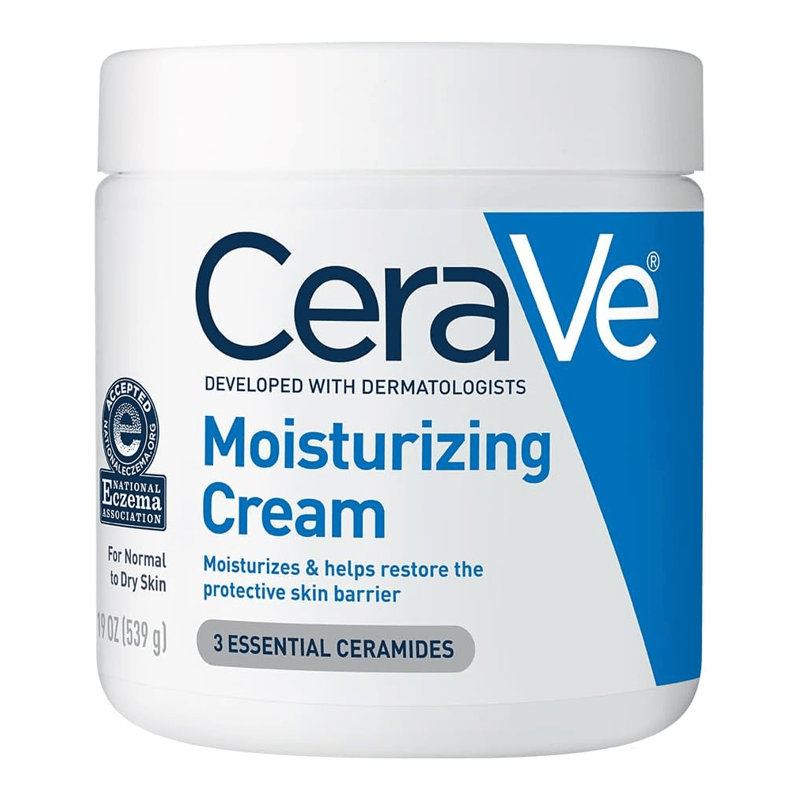
A plain, rich moisturizer is the best follow-up. CeraVe Moisturizing Cream has ceramides and hyaluronic acid in a fragrance-free formula. It works on face and body, which makes it an easy tub to keep by the sink.
Bumpy arms are a different story

Screenshot: American Academy of Dermatology
If the rough spots you want to fix are tiny bumps on your upper arms or thighs, that may be keratosis pilaris. For those, the AAD says to exfoliate gently with a loofah, buff puff or rough washcloth. Skip hard scrubbing, which tends to irritate the skin and make the bumps worse.
Next comes a keratolytic, which is a fancy word for a chemical exfoliant. Look for an ingredient like lactic acid, glycolic acid, salicylic acid, urea or a retinoid. It also warns that using too much, or using it more often than the directions say, can leave skin raw and irritated.
So a body peel gel isn’t your only option. AmLactin Daily Nourish Body Lotion with 12% lactic acid exfoliates while it moisturizes. I love it for smooth arms under a sleeveless dress with zero scrubbing. Talk to a dermatologist if the bumps itch, spread or don’t improve.

AmLactin Daily Nourish Body Lotion, 12% Lactic Acid
A lactic acid body lotion that exfoliates while it moisturizes.
A Peel Shot can give you that smooth, just-had-a-facial feeling if you treat it like a weekly treat, not a daily scrub. Which bottle is going in your cart, black rice or white? (This post is for general info only and isn’t medical advice. Talk to a dermatologist if redness, burning or peeling doesn’t settle down.)


