
The stronger your exfoliant is, the less often your skin probably needs it. That sounds obvious until you’re standing in your bathroom with a glycolic peel, an acid toner and a scrub all fighting for the same Tuesday night slot.
Exfoliation can make skin look smoother and brighter, but the AAD’s first rule is to choose your method based on your skin type. I think that’s the part the hype machine loves to skip. Your dry cheeks, oily T-zone, clogged pores or sting-prone barrier matter more than whatever acid is having a moment.
What Is Exfoliation, and Which Type Should You Use?
Exfoliation removes dead cells from the surface of your skin. Physical exfoliation uses scrubs, brushes or a washcloth. Chemical exfoliation uses acids or enzymes to loosen dead cells so they shed on their own.
If your skin is dry, sensitive or acne-prone, the AAD says you may prefer a washcloth and a mild chemical exfoliant. Darker skin tones should avoid harsh exfoliation because it can leave dark spots. Never exfoliate sunburned skin or open cuts.
The easiest way to choose is to match the acid to the issue. Salicylic acid is for oily clogged pores, glycolic is the stronger AHA, lactic is a gentler AHA and PHAs are the softest chemical option for skin that stings easily.
Glycolic or salicylic? Start with your pores
View this post on Instagram
@drsamanthaellis / Instagram
Dr. Samantha Ellis (@drsamanthaellis), a board-certified dermatologist, compares glycolic and salicylic acid for clogged pores and breaks down how glycolic, lactic and mandelic acids differ in size and strength. The quick read: glycolic is the small, punchy AHA, lactic is a little gentler and mandelic is larger still, so it absorbs more slowly.
If your main issue is oily, clogged or acne-prone skin, salicylic acid is usually the cleaner match. It’s oil-soluble, so it can get into oily pores and loosen what clogs them instead of only working on the surface.
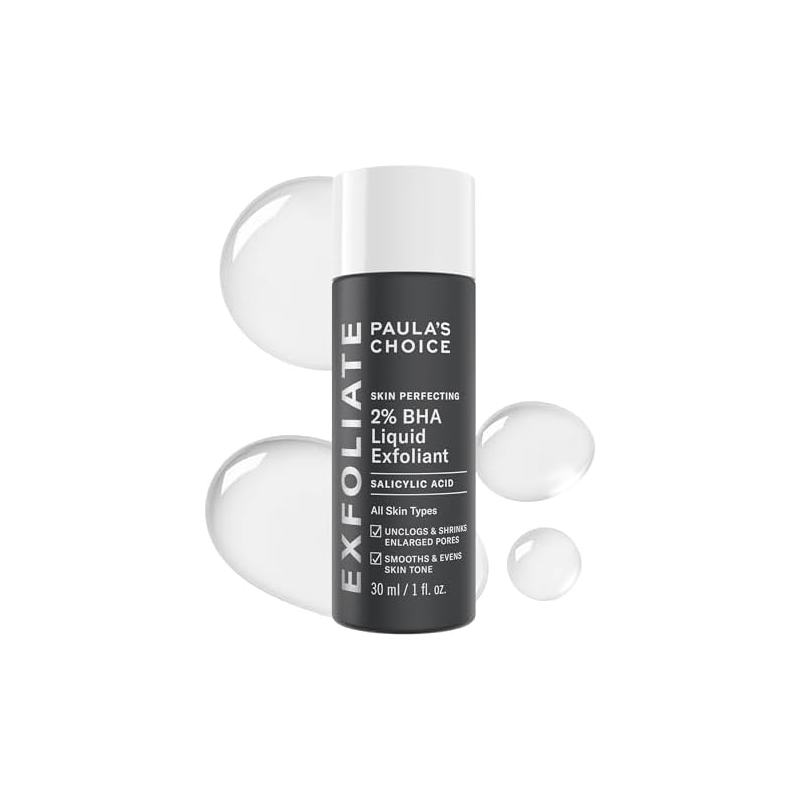
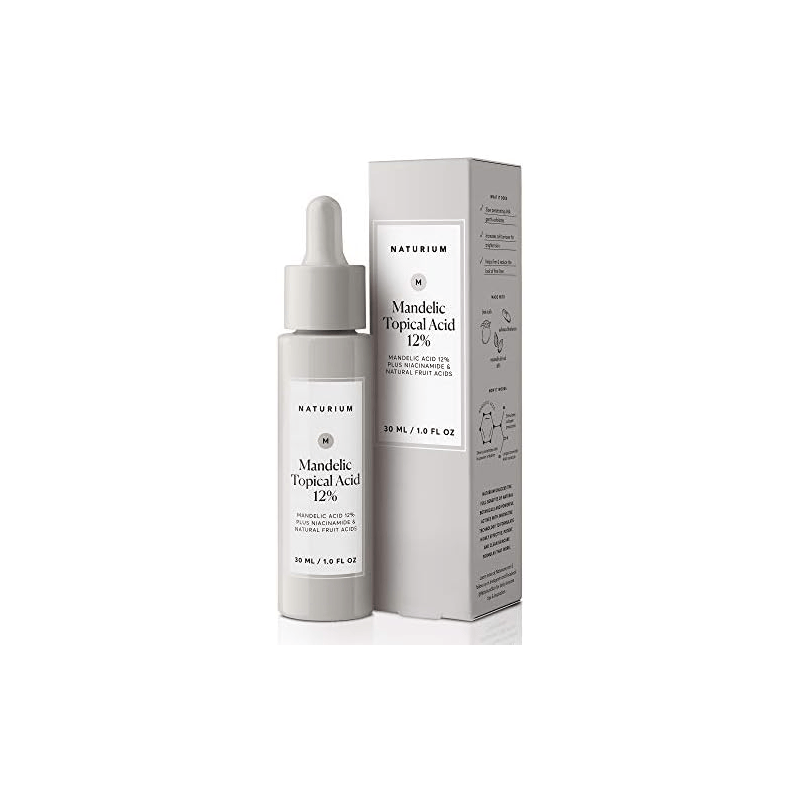
Paula’s Choice 2% BHA Liquid Exfoliant is the classic leave-on salicylic option for congestion. If glycolic tends to feel like too much, Naturium Mandelic Topical Acid 12% is the softer AHA route. Pick one lane, not both on the same night.
Glycolic is the strong one, so space it out
View this post on Instagram
@neostrata / Instagram
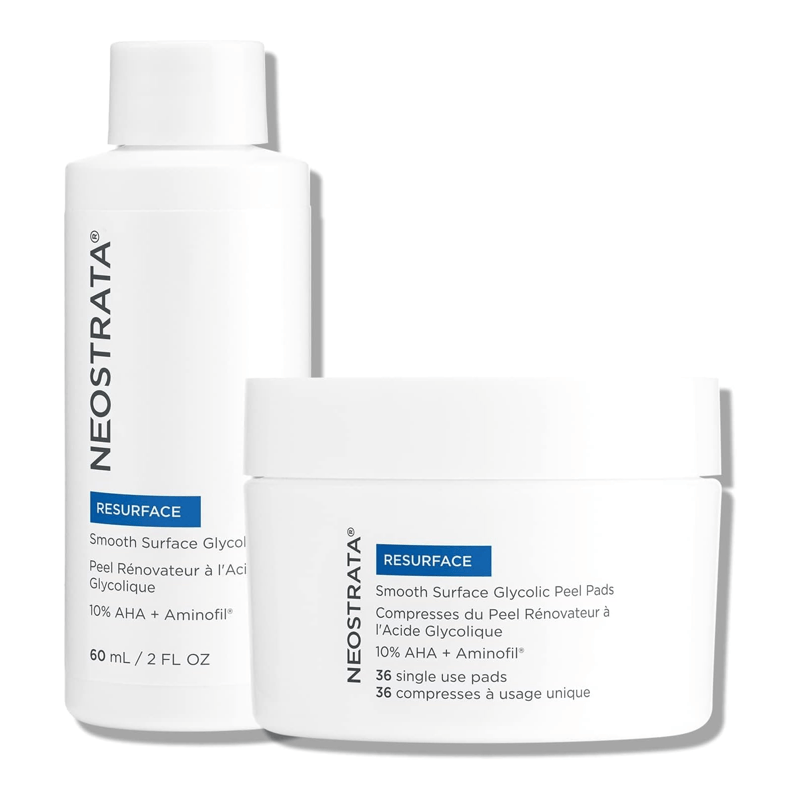
NeoStrata (@neostrata) and creator @alliegoldasich spotlight NeoStrata Smooth Surface Glycolic Peel, an at-home peel with 10% glycolic acid for smoother, softer-looking skin. Glycolic goes deeper than lactic or mandelic, which is exactly why it can feel so satisfying and also why sensitive skin may complain fast.
Use it on clean, dry skin and follow the timing exactly. I’d skip every other acid and retinoid that night because stacking actives is how a simple glow plan turns into a red, tight face by breakfast.
The AAD says stronger exfoliation means you need it less often, and the FDA says AHAs can make skin more sensitive to the sun. Moisturize after, wear sunscreen while using AHAs and keep that sunscreen habit going for a week afterward.
Lactic acid for dry or new-to-acids skin
View this post on Instagram
@sundayriley / Instagram
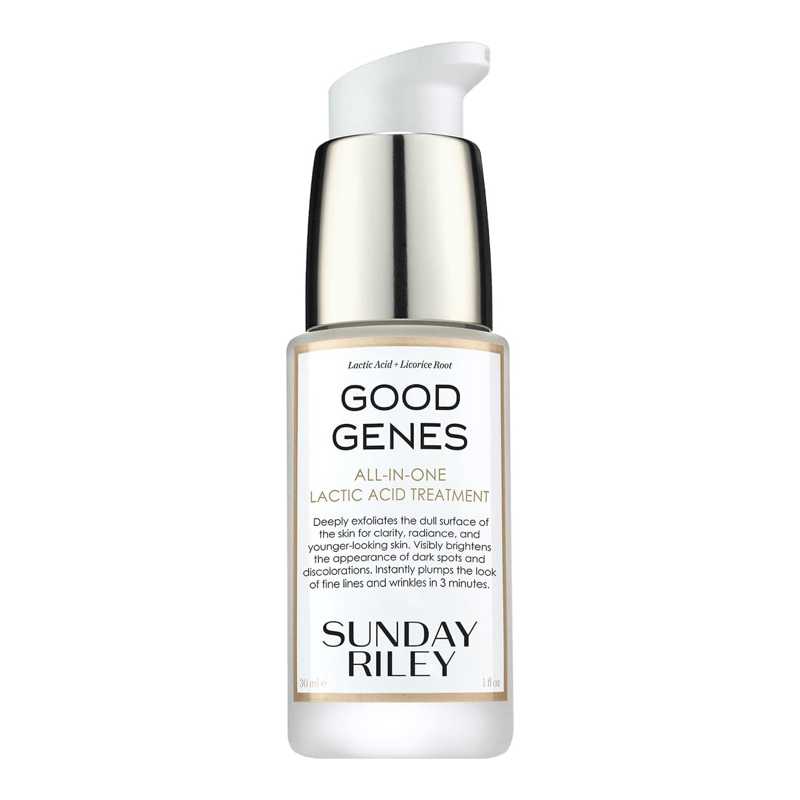
Sunday Riley (@sundayriley) features Stassi Schroeder with Sunday Riley Good Genes Lactic Acid Treatment, a lactic acid treatment made to exfoliate, smooth texture and brighten the look of skin. Lactic acid is larger than glycolic, so it doesn’t dive in as aggressively.
That’s why I usually think of lactic as the more realistic first acid for dry skin or anyone who’s nervous about exfoliating. Start once a week at night, then only add a second night if your skin stays calm for a few weeks.
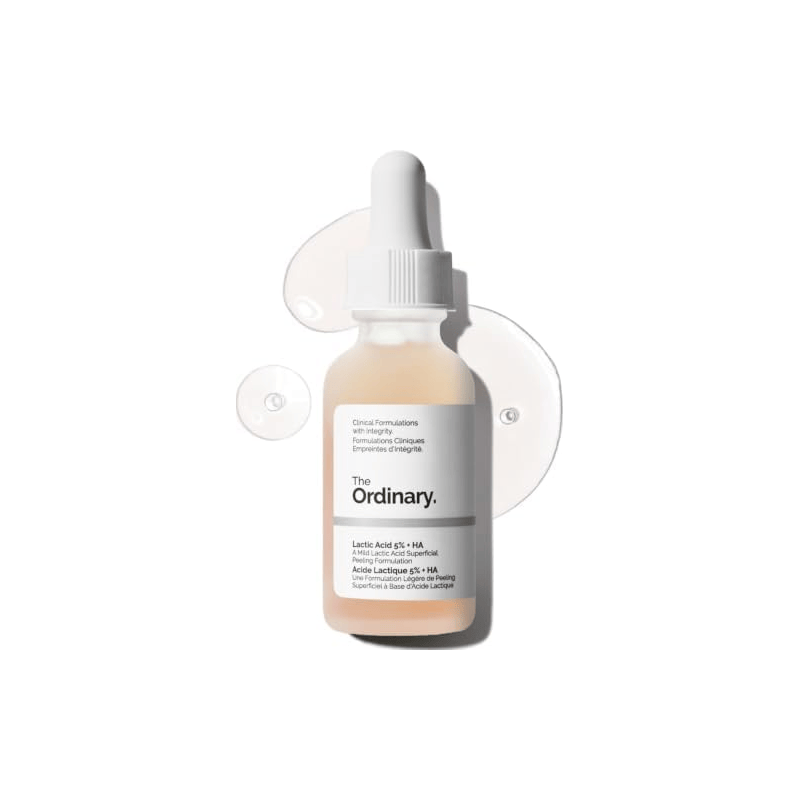
The Ordinary Lactic Acid 5% + HA is the lower-strength way to try the same ingredient. If I had to choose one acid family for a low-drama glow before makeup, I’d go lactic. It’s the kind of skin prep I’d want before a black sweater, silver hoops and a soft berry lip.
PHAs for skin that stings easily
View this post on Instagram
@neostrata / Instagram
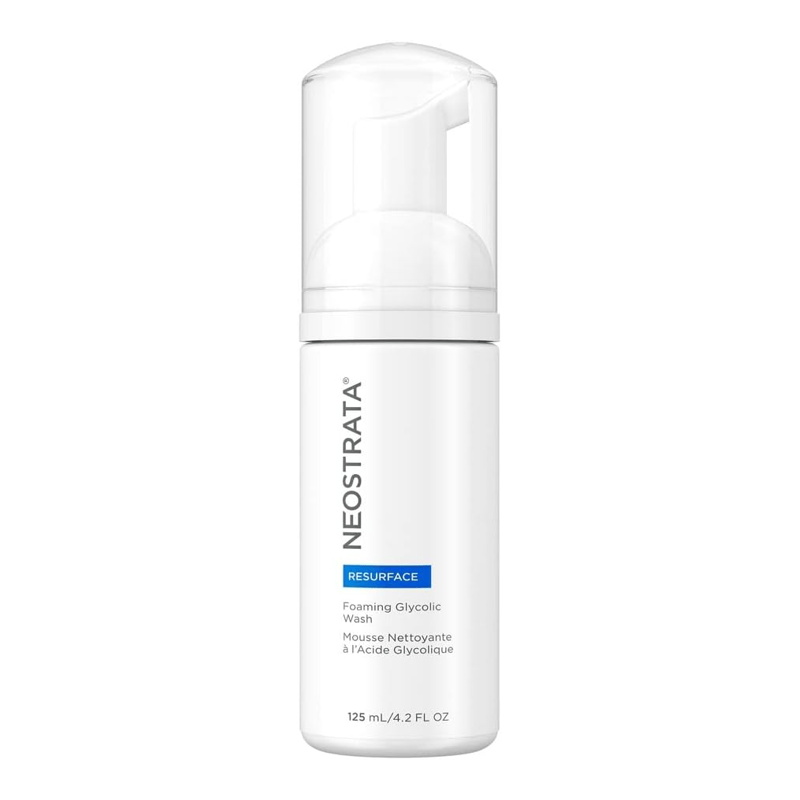
NeoStrata (@neostrata) and creator @girlwiththeslickback_ explain the difference between AHAs and PHAs, while also highlighting NeoStrata Foaming Glycolic Wash, an 18% glycolic acid foaming cleanser. The key difference is simple: AHAs exfoliate the surface, while PHAs are gentler, hold moisture and tend to suit sensitive skin better.
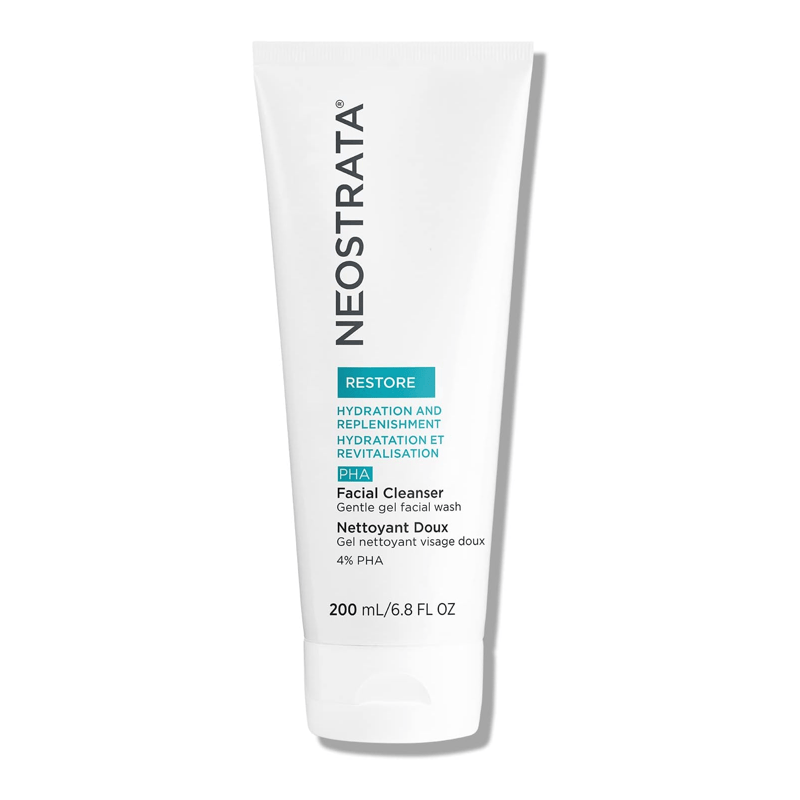
Polyhydroxy acids like gluconolactone and lactobionic acid are larger molecules, so they move slowly and are linked with less irritation in research reviews. If glycolic stings and lactic still feels like a lot, NeoStrata PHA Facial Cleanser is the gentler cleanser direction.
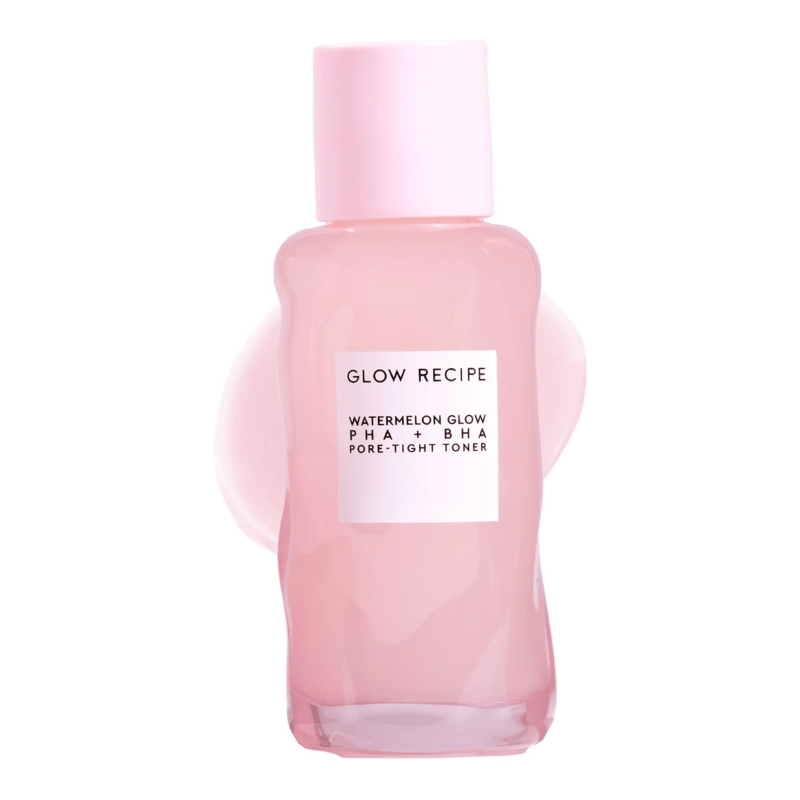
Glow Recipe Watermelon Glow PHA + BHA Toner pairs PHA with BHA, so count it as an exfoliant even if it feels cute and juicy. A glycolic wash, an acid toner and a peel don’t become gentler just because each one has nice packaging.
Overdid it? Pause and rebuild
View this post on Instagram
@yhasmina.ferrara / Instagram
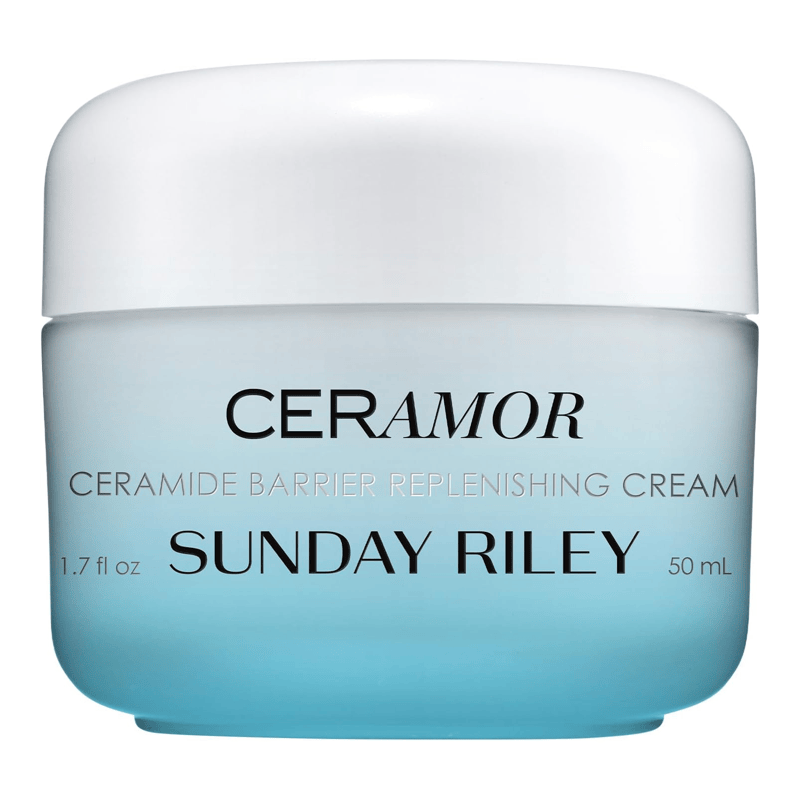
Yhasmina Ferrara (@yhasmina.ferrara) reaches for Sunday Riley Ceramor Ceramide Barrier Cream when her skin barrier is struggling, and that tracks with the goal: stop exfoliating and give the barrier what it needs. The cream has ceramides and cholesterol, two lipids that help make up the skin barrier.
The AAD says over-exfoliating can leave skin red and irritated. If that’s you, don’t try to fix it with a stronger product. Pause every acid, scrub and retinoid, then stick with a gentle cleanse, moisturizer and sunscreen.
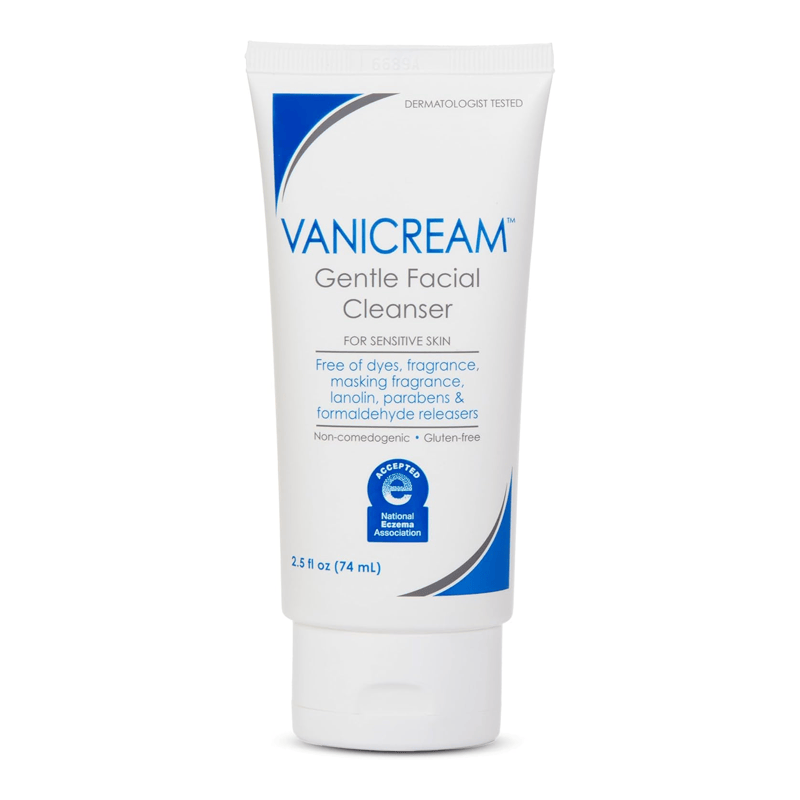
Vanicream Gentle Facial Cleanser is the kind of no-fuss, fragrance-free cleanser I’d want in that reset routine. When nothing stings anymore, bring back one exfoliant at most once a week. Burning, cracking or a rash means it’s time to see a dermatologist.
If exfoliation keeps backfiring, make it boring on purpose: one gentle product, one night a week and sunscreen every day. The easiest version to try first is the one that matches your actual skin, not the loudest product on your feed.


