
My short answer is that a gel pedicure is worth it if you’ll be living in open shoes for weeks and you’ll really come back to get it soaked off the right way. I totally get the appeal. It looks fresh through sneakers and flip-flops, and it doesn’t smudge on the drive home like my regular polish always manages to (somehow it’s always the big toe, always on the gas pedal). It can be a good deal, too. There are just a handful of choices along the way, some at the salon and some afterward, that decide whether your toenails come through healthy or end up thin and peeling once the color comes off.
Toenails grow slowly, about 1.5 millimeters a month according to Cleveland Clinic, which is around half as fast as fingernails. That’s the reason a set can stay neat on your feet long after the two or three weeks you’d get on your hands.
What to expect before you book
A gel pedicure usually lasts four to six weeks, and sometimes longer, because toenails grow slowly. I wouldn’t push it once the edges start to lift, though. That’s your cue to take it off instead of letting it hang on for bragging rights.
Gel itself isn’t automatically bad for your toenails. The rough stuff usually happens when you peel it, scrape it, or go too hard with filing. A gentle acetone soak is the safer way to remove it.
Salon or DIY, keep the break in mind
You can do a gel pedicure at home with a gel kit and a small LED lamp, but if you only get one a few times a year, the salon is less hassle. If you’re removing it yourself, pure acetone and foil wraps can get it done without picking at the polish.
Many dermatologists suggest leaving nails bare for one to two weeks or longer between gel sets, especially if they look thin or white after removal. I think of that break as part of the pedicure, not a punishment. Your next color will look better when the nail underneath isn’t stressed.
Before you sit down at the foot bath
For me, a good appointment really starts the day before. I leave my lower legs unshaved for at least a day, because the AAD suggests shaving afterward instead, since a tiny nick gives germs a way in once your feet hit the water. Same idea with cuts, scratches and bug bites, which I keep out of the bath, and if there’s an open spot anywhere on my foot or ankle, I just reschedule.
Once I’m there, I’m a little nosy before I sit. I want to watch them clean and disinfect the basin between clients, and a liner is a bonus. Tools should be new or come out of a sealed pouch. Cleveland Clinic says soaking tools in cleaning solution for at least 10 minutes is the bare minimum, and heat sterilizing in an autoclave is best. If the place looks grubby, you can absolutely just leave, or bring your own file and pusher next time, which the AAD also recommends.
Trimming, cuticles and callus work
After a short soak the tech trims and shapes, and I always ask them not to go too short here. Nails cut deep into the corners can become ingrown toenails or give an infection a place to start, and our guide to toenail shaping and ingrown prevention explains why straight across is the way to go.
The cuticle comes next, and it took me a few sore toes to learn to say something at this point. That thin rim of skin works like a seal that keeps germs out of the nail, so a gentle nudge back after the soak has softened it is fine with me, but when the clippers come out, I politely wave them off. Rough heels get the same easy treatment. Those metal tools that look like a cheese grater can tear the skin, so I ask for a softer file or a pumice stone. And if you’d rather deal with calluses at home, our foot file vs pumice vs peel comparison goes through the choices.
The lamp, and a little sunscreen first
Before the color, the tech buffs each nail lightly to take away the shine, since gel grips a slightly rough surface much better. I keep an eye on this step. A quick pass with a fine buffer only takes off gloss, but someone grinding away at your toes with an electric file is taking off real nail, and a big toenail can need 12 to 18 months to grow all the way out, which is a long time to look at a mistake.
Then the tech paints thin coats of base, color and top coat, and each one hardens under a UV or LED lamp in about a minute. Regular polish air-dries, while gel cures, so you walk out with nails that are already fully hard. The lamp is the part dermatologists pay the most attention to. Newer LED lamps cure faster and give off less UV than the older ones, and I’ve started asking which kind a salon uses before I book.
Sunscreen on the tops of your feet
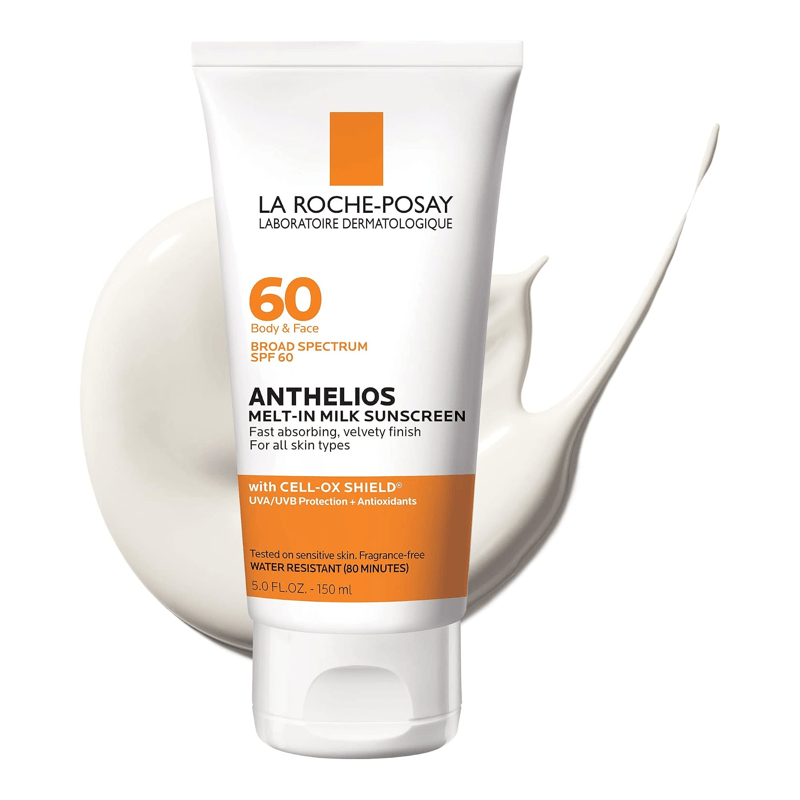
Either way, I rub a broad-spectrum sunscreen of SPF 30 or higher onto the tops of my feet beforehand, which takes maybe thirty seconds. La Roche-Posay Anthelios Melt-In Milk Sunscreen SPF 60 is an easy one for this. It’s a broad-spectrum, water-resistant lotion that spreads easily, and it doubles as your body sunscreen for the walk home in sandals.
How long gel lasts on your toes
On toes, gel usually grows out before it ever chips, and that’s honestly why I like it. Sneakers don’t nick it the way they nick regular polish, and because the nail grows so slowly, the gap at the base stays hidden a long time, so a lot of people get four to six weeks from one set.
Knowing when to let it go is the tricky part. The minute I spot an edge lifting, I book the removal, since water can creep under that spot and sit trapped beneath a sealed layer of color where nobody sees it, and that’s how a little fungal problem gets going.
Taking it off the gentle way
If your toenails ever came out of gel looking terrible, my money is on the removal, not the polish. Picking or peeling gel pulls layers of nail off with it, and hard scraping with a metal tool does the same. You end up with nails that look white and feel bendy, and they stay that way until they grow out, which on a big toe takes forever.
A good removal takes its time. I file off only the shiny top coat, wrap each nail in a pad soaked in pure acetone, cover it in foil and then just wait, usually with something on TV. In about 10 to 15 minutes the gel goes soft and slides off with a wooden stick and hardly any pressure, and any stubborn spot gets wrapped back up for a few more minutes. The salon can do this, or you can do it at home with two cheap supplies. When I book, I ask for soak-off gel and not a type that has to be filed off.
Pure acetone, nothing weaker
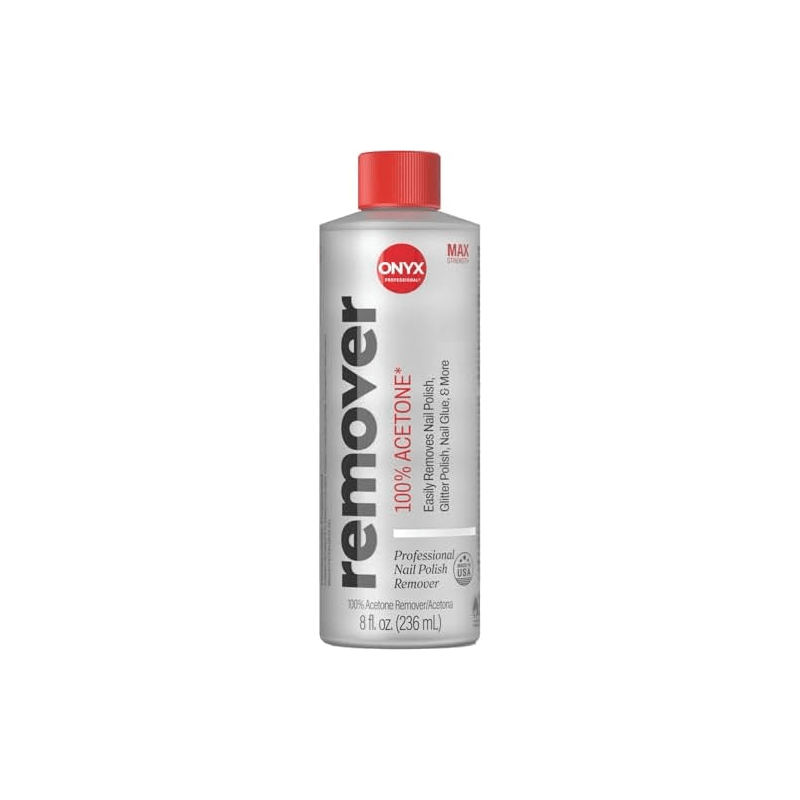
The Onyx Professional 100% Acetone Remover Kit is the pure acetone gel actually needs, since weaker drugstore removers can have you soaking all night. Acetone dries out skin, so keep it on the nail and off the skin around it as best you can.
Foil wraps with the pad built in
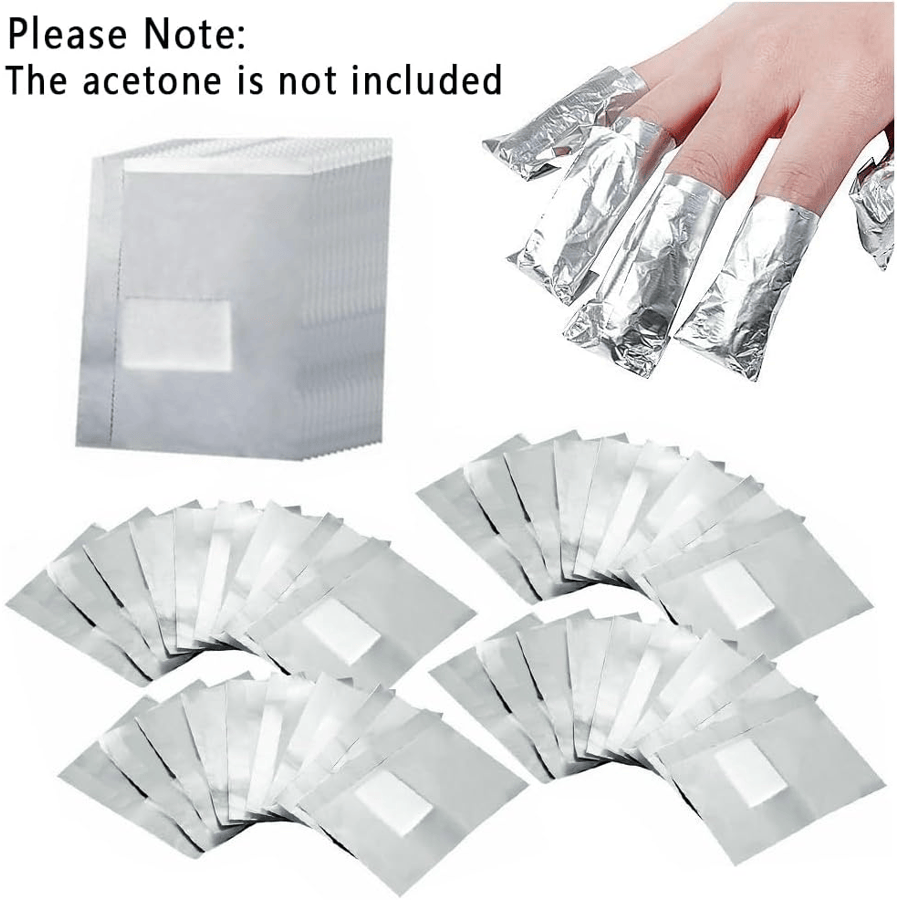
These Nail Polish Remover Foil Wraps have a little cotton pad already attached to each foil, so they stay on a toe for the whole soak without any cotton-ball juggling. You get 400 in a pack, which lasts ages.
Bringing your nails back after removal
However careful you are, acetone dries things out, so right after a soak-off my toes always look a bit chalky and my cuticles a little rough. A couple of minutes of care over the next few days takes care of most of it.
Something thick right after
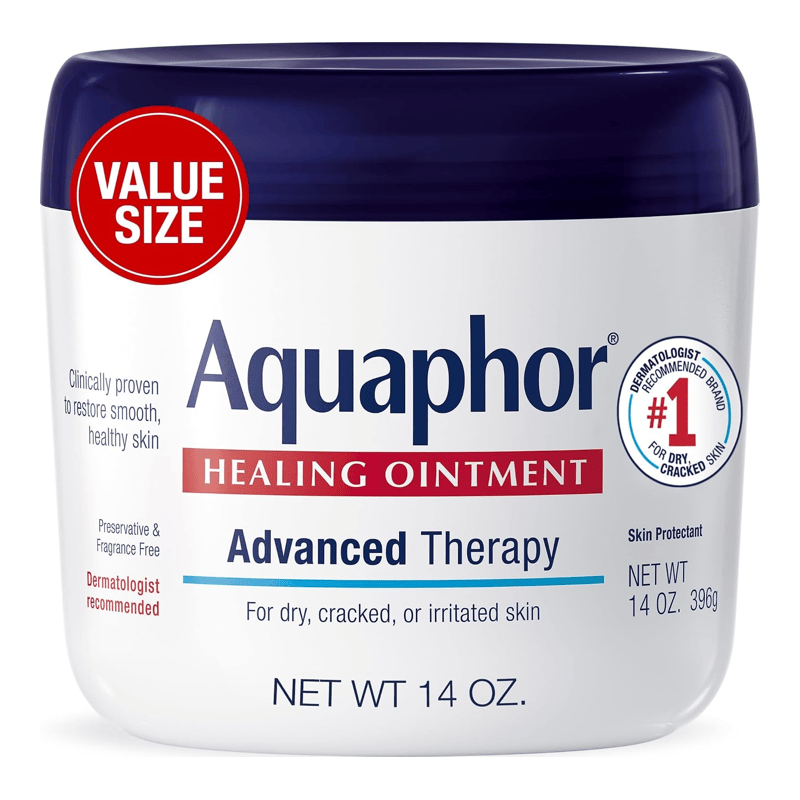
Straight after the acetone I go for something thick. Aquaphor Healing Ointment is a petrolatum-based ointment that seals moisture into dry nails and cuticles, and dermatologists often suggest a thin layer of petroleum jelly at night with cotton socks on top.
Oil every day
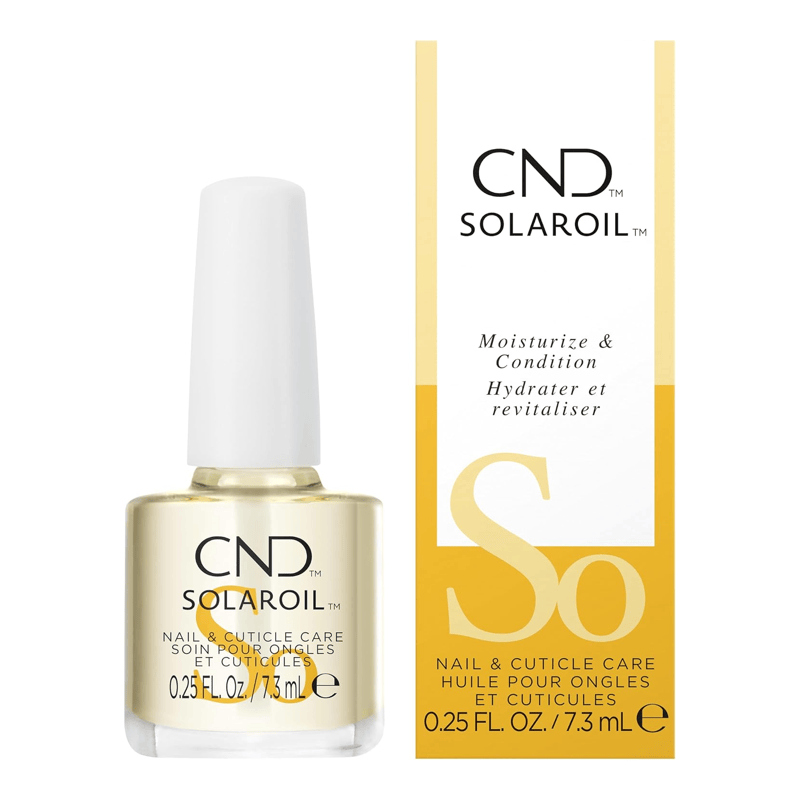
For every day, CND SolarOil Cuticle Oil is the one you’ll spot at lots of salons. The little bottle has a brush, so a swipe across each toe after the shower takes about ten seconds, and a bottle lasts a long time.
A glass file for the snaggy edge

Then there’s always that one toenail with a rough edge that snags my socks, which is why I keep a Mont Bleu Glass Nail File in the bathroom drawer. Glass files are fine and smooth, so they seal the edge rather than shredding it, and this one rinses clean.
Signs something’s off
Skin around a nail that turns red, hot or swollen a few days after a visit can be a bacterial infection, so I’d see a doctor soon and not wait to see if it clears. A nail going yellow and starting to lift is a common sign of fungus, and because that can take months to show, you may never connect it to the salon.
An itchy rash near the nail, or even on your eyelids (I know, it sounds random), can be an allergy to the acrylates in gel, so I’d read our post on gel nail allergy before you book again. Any nail change that hangs around is worth showing to a board-certified dermatologist.
When to give your toes a break
When a toenail is already lifting, discolored, thick or sore, I leave it bare and get it looked at. Painting over it just hides the problem, and the AAD specifically says not to cover nail problems with polish for exactly that reason. If your last set got peeled off and your nails still look thin and white, give them a few weeks off. Lots of dermatologists suggest a break of one to two weeks or longer between sets anyway.
With diabetes, poor circulation or numb feet, please talk to your doctor before any salon pedicure, since a little cut you can’t feel can get serious. And if acetone bothers your skin, regular polish is the easier way to go.
Toe separators for plain-polish weeks
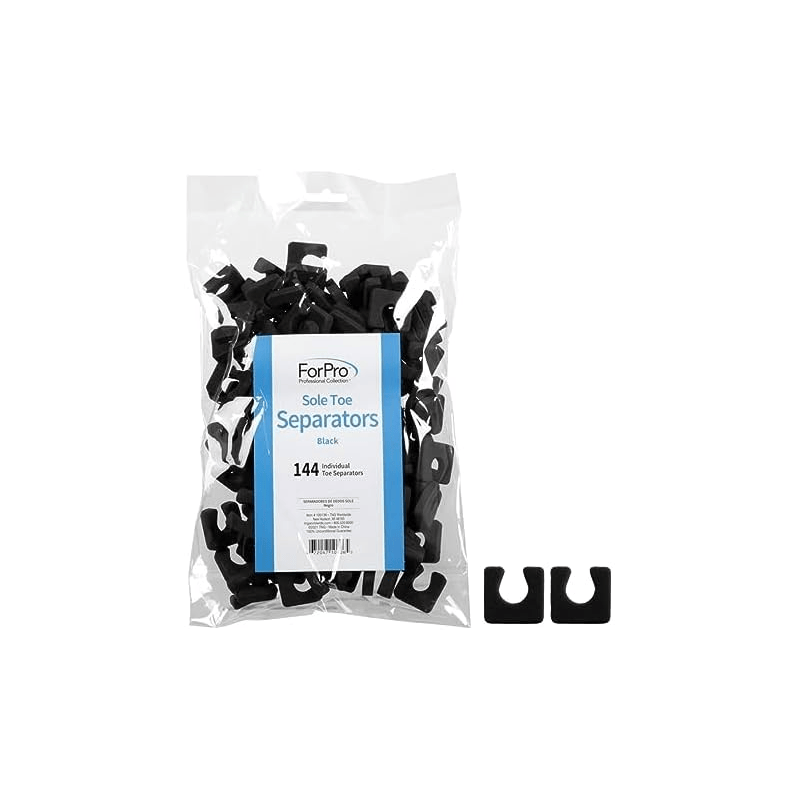
In the weeks I wear plain polish between gel sets, ForPro Sole Toe Separators stop wet color from smearing onto the next toe over. They’re single use, and a pack of 144 lasts a long while. For the rest of your feet, our guide to keeping feet smooth between pedicures covers heels and calluses.
Worth it, skip it, or wait?
Open shoes for weeks and a promise to yourself that you’ll come back for a real soak-off? Then I’d go for it, and I’d choose the salon by how clean it is and how it takes gel off, not by how pretty the polish wall looks. If a nail already seems off, wait, skip the color and have a doctor look first. There’s more foot and nail reading in our nails archive.


