
Good news first: benzoyl peroxide and retinoids get along a lot better than the old rule says. The “never mix them” warning goes back to one lab test with an older tretinoin gel, and adapalene is so steady next to benzoyl peroxide that the two now come premixed in a single drugstore gel. For most of us, the bigger risk is irritation from piling two drying actives on the same skin, not one canceling the other out. If you’re building a drugstore routine, the easy setup is benzoyl peroxide in the morning and your retinoid or retinol at night. On prescription tretinoin? Your prescriber gets the final say on timing.
Which pairings work, at a glance
- Benzoyl peroxide with an older tretinoin gel or cream. Don’t put them on at the same time, and ask your prescriber how to space them out.
- Benzoyl peroxide with a newer tretinoin. Some newer formulas hold up just fine, and one prescription cream has both in the same tube, so it really depends on which one you have.
- Benzoyl peroxide with adapalene. These two are stable together and even sold as one gel. Just go slowly so irritation doesn’t sneak up on you.
- Benzoyl peroxide with retinol. Nobody has checked whether one breaks down the other, so split them between morning and night and ease in.
Where the “don’t mix them” rule came from
Tretinoin is a fragile molecule, and light makes it even more delicate. Back in 1998, Galderma, the company that makes adapalene, mixed a mild tretinoin gel with a strong 10% benzoyl peroxide lotion and left the blend sitting under light. More than half the tretinoin broke down within about two hours, and after a full day almost none of it was left. Adapalene went through the very same test and barely changed.
That’s a real result, but it’s a pretty narrow one. It happened in a dish instead of on skin, with one older gel and one strong lotion, and the company running it had its own retinoid to sell. Somewhere along the way, that single finding got passed around as if it were a rule for every retinoid and every benzoyl peroxide product on the shelf.
Newer tretinoin plays nicer with benzoyl peroxide
Tretinoin has come a long way since then. When a newer 0.05% tretinoin gel was mixed with a benzoyl peroxide gel and kept at skin temperature, all of the tretinoin was still there seven hours later. That was one formula in a lab, so take it as a hopeful sign rather than proof of what happens on your face.
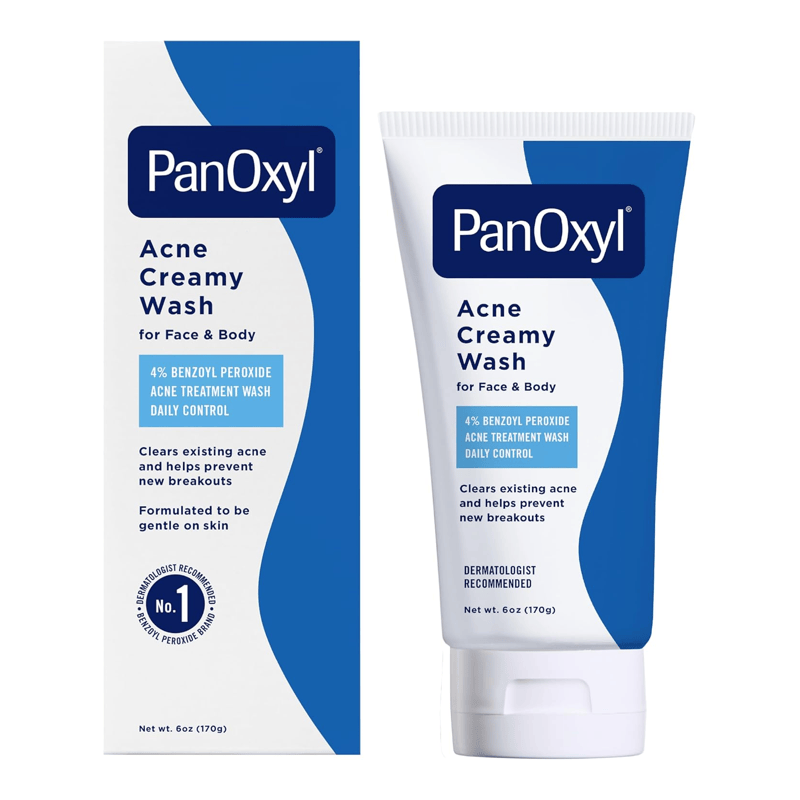
Real faces tell a similar story. Over 12 weeks, people with moderate acne who used a 5% benzoyl peroxide wash and a 0.04% microsphere tretinoin gel together every morning did just as well as people who split them between morning and night, and the irritation was about the same. One detail matters here: the benzoyl peroxide was a wash that rinses off, not a cream that stays on all day. If you want a drugstore wash to try, PanOxyl Acne Creamy Wash 4% is a gentle 4% version that rinses away, so it spends very little time on your skin.
That microsphere gel is Retin-A Micro, and its prescribing information never warns that benzoyl peroxide cancels it out. Its warning is about irritation instead. Using it alongside drugstore acne products with benzoyl peroxide, sulfur, resorcinol or salicylic acid can mean extra dryness, redness and peeling, so it’s smart to let your skin calm down from those before you start.
The clearest proof that these two can share a routine is Twyneo, a prescription cream with 0.1% tretinoin and 3% benzoyl peroxide in one tube. Each drug sits inside its own tiny shell so they don’t react with each other, and it’s approved for acne in kids as young as 9. The side effects you’re most likely to notice are pain, dryness, peeling, redness, itching and irritation right where you put it on.
Adapalene and benzoyl peroxide, the easy match
Adapalene is a retinoid too, and it’s the one you can pick up without a prescription. The American Academy of Dermatology lists it among its recommended acne retinoids right beside prescription options like tretinoin, which is a nice vote of confidence for a tube that costs about as much as lunch.
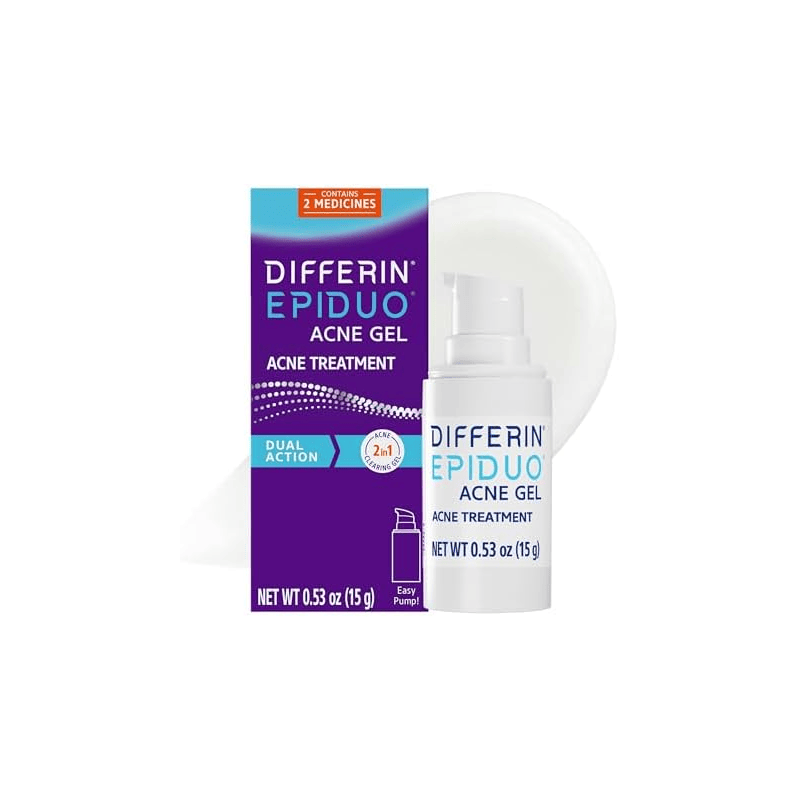
It stayed steady next to benzoyl peroxide in that light test, and today you can buy the two already mixed. Epiduo, with 0.1% adapalene and 2.5% benzoyl peroxide, was prescription only for years. That same strength now sits on drugstore shelves as Differin Epiduo Acne Gel for ages 12 and up, and you smooth a thin layer over your whole breakout zone once a day. The stronger Epiduo Forte, with 0.3% adapalene, still needs a prescription.
Do expect a bit of a rough patch at the start. Redness, itching, dryness, burning, peeling and sometimes swelling are most likely in the first four weeks, and they’re more likely if you’re using other acne products at the same time. Your skin may even look worse before it looks better, and full results can take up to three months. If you can’t tell purging from a plain breakout, our guide to purging vs. a breakout can help you sort it out.
Retinol plays by different rules
Retinol is a cosmetic ingredient rather than an approved acne drug, which is why it doesn’t show up on that dermatology list. If you’re a little fuzzy on how it stacks up against the prescription stuff, our tretinoin vs. retinol explainer walks you through it.
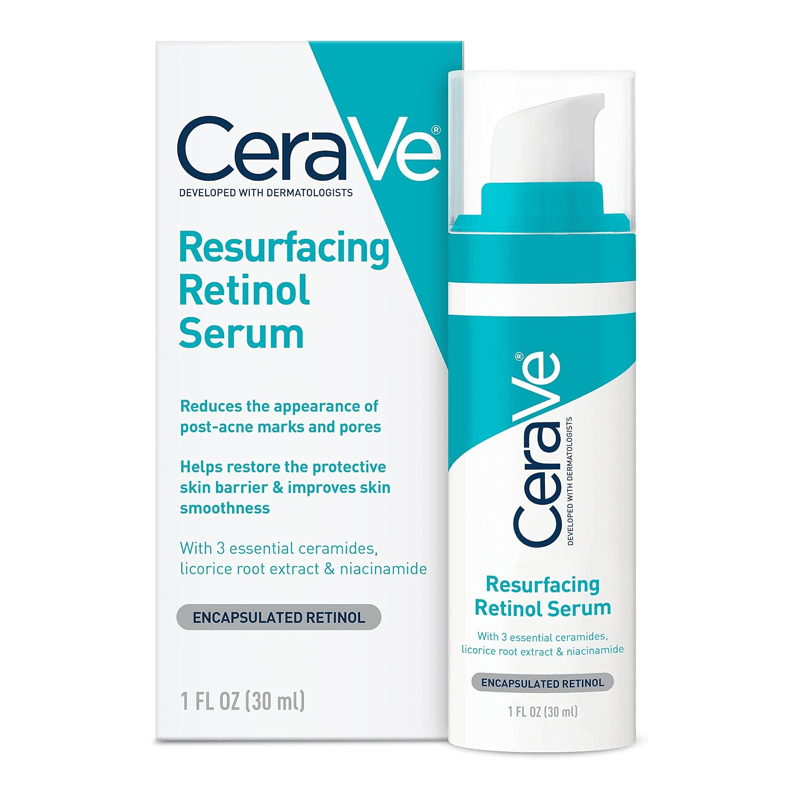
None of the research above looked at retinol, so nobody can tell you for sure whether benzoyl peroxide breaks it down. What you can count on is that both of them can dry your skin, and slathering them on together right after you wash is a fast track to a flaky, angry barrier. Keeping benzoyl peroxide in the morning and retinol at night sidesteps the whole question. If you go the retinol route, CeraVe Resurfacing Retinol Serum is a gentle night option with niacinamide and ceramides, made with acne marks and pores in mind.
On a prescription retinoid? Loop in your dermatologist
Please don’t rebuild a prescribed routine because of something you read online, this post included. Tretinoin comes in lots of forms, and whether yours works with benzoyl peroxide depends on exactly which one you were given. The original Retin-A prescribing information says to use other skin medicines only on your doctor’s advice and to steer clear of products that dry or irritate, so tell your dermatologist about everything on your shelf, that benzoyl peroxide wash included.
Pregnancy needs its own conversation. If you’re pregnant or breastfeeding, ask a doctor before you use Differin Epiduo, and stop and ask if you become pregnant or start planning to. With Retin-A, check with your doctor if you’re pregnant, think you might be, or are nursing.
How to split benzoyl peroxide and a retinoid
- Start one product at a time. Give the first one a few weeks to settle in before you add the second, because irritation climbs when you begin more than one acne product at once.
- Use benzoyl peroxide in the morning. A wash is the gentlest way to do it, since it rinses right off and spends very little time on your skin. If your oily skin already handles a retinoid well, a leave-on cream like La Roche-Posay Effaclar BPO Acne Treatment can take the morning slot instead, starting once a day.
- Save the retinoid or retinol for bedtime. Tretinoin is meant to go on before bed anyway, and nighttime keeps it away from the light that breaks it down. Plain Differin Gel is an easy first retinoid if you’ve never used one.
- Moisturize both times. A good moisturizer can help with the dryness and irritation that both actives bring along. A light, oil-free one like CeraVe PM Facial Moisturizing Lotion layers nicely over either active, and our moisturizers for acne-prone skin roundup has more options.
- Wear sunscreen every single day. Every product here comes with advice to limit sun and protect your skin.
- Back off if it burns. Using a product less often, or sticking to one acne treatment for a while, can help irritated skin settle down.
Still deciding between benzoyl peroxide and salicylic acid for your morning step? Our benzoyl peroxide vs. salicylic acid post lays out the difference.
Where to start, depending on your skin
New to both? Try Differin Gel at night for a few weeks, then bring in the PanOxyl wash in the morning. Or keep life simple and use Epiduo on its own.
Already using a benzoyl peroxide wash and just got a tretinoin prescription? Ask at your appointment or give the office a call before you combine them, because the answer depends on which tretinoin you have.
Using retinol for fine lines and want benzoyl peroxide for breakouts? Keep retinol at night and add a wash in the morning. Hold off on a leave-on benzoyl peroxide until your skin has settled in.
Pregnant, trying or breastfeeding? Don’t start a retinoid on your own. Talk to your OB or dermatologist first.
Once you’ve got the pair sorted, our acne-prone skincare routine fills in the rest of your day, and the skin archive has lots more on breakout-prone skin.
Vitamin C, niacinamide and bleached pillowcases
Can you use benzoyl peroxide with vitamin C? Yes, but not at the same time. Benzoyl peroxide can break down vitamin C, so use them at different times of day or on different days.
Can you use niacinamide with benzoyl peroxide and retinol? Yes. Niacinamide is gentle and pairs well with both, and it may help calm some of the dryness.
Should you put moisturizer on before or after retinol? Either works. Moisturizer first softens the sting if your skin is sensitive, while moisturizer after is fine once your skin has adjusted.
Will benzoyl peroxide bleach my pillowcase? It can. It bleaches hair and dyed fabric, so white towels and pillowcases are your best friends while you’re using it.


