
Next time you’re brushing your teeth, pick up whatever Korean serum or eye cream is sitting by the sink and read the very end of the ingredient list. There’s a good chance you’ll spot adenosine, tucked in near the bottom on products that promise “wrinkle care.” Most of us use it without ever noticing. It’s a compound your own body makes, and brands add a small amount to smooth the look of fine lines.
The research behind it is small but encouraging. A few short studies found skin around the eyes looked smoother after two months. It won’t work like a retinoid, but it’s gentle, it plays well with almost everything, and it slips easily into a routine you already have.
Where adenosine comes from
Your body makes adenosine on its own. The National Library of Medicine’s chemical database lists it as a natural human compound, and doctors also use it as a heart rhythm drug. That second job has nothing to do with skin care. The amount in a face cream is tiny, and it’s there to help with fine lines.
What the studies found
The best-known study came from L’Oréal researchers. They gave 126 women, ages 45 to 65, either an adenosine cream, an adenosine film or a plain cream with no adenosine, to use twice a day for two months. The skin around the eyes got smoother with both adenosine products, and the cream also softened the “11” lines between the brows. Changes showed up by week three.
A smaller study in Korea had 22 women use an adenosine cream on their crow’s feet twice a day for eight weeks. Wrinkle depth, firmness and moisture improved on almost every measure, and nobody had a reaction.
That’s encouraging, but keep it in proportion. These studies were short and small, and retinoids have far more research behind them. Adenosine is a mild helper rather than the star of your routine. If fine lines are your biggest worry, our guide to how retinol works for anti-aging covers the stronger option.
You’ll also see adenosine described as soothing or calming, and it does have a reputation as a gentle ingredient. The studies above looked at wrinkles, though, not redness, so it’s not the thing to reach for during a flare.
Is it gentle enough for you
Adenosine is one of the easier ingredients to live with. The Korean study checked for irritation on purpose and found none. The bigger question is the rest of the formula. Many adenosine products are “wrinkle care” blends that also have retinol, retinal or fragrance, and those are what tend to sting.
If a product burns, stings or itches, stop using it. The American Academy of Dermatology says that feeling means your skin is irritated. With sensitive skin, try anything new on a small patch, like the side of your neck, for a few days before it goes on your whole face. If you’re pregnant or breastfeeding, adenosine itself isn’t the worry, but check for retinol or retinal on the ingredient list and ask your doctor before using those. Near your eyes, stick with products made for the eye area and keep them off the lid line.
Adding it to your routine, step by step
You don’t need a separate adenosine step. It’s usually already inside something you’d use anyway, so you just use that product where it normally goes. Start with a gentle face wash, then layer from thinnest to thickest. Here’s where four of our favorite adenosine formulas fit in that order.
A watery booster right after cleansing
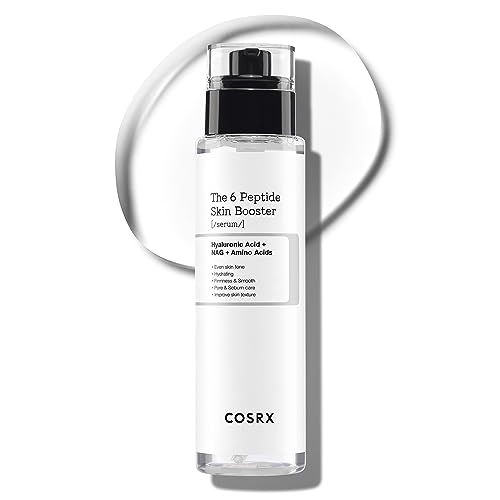
COSRX The 6 Peptide Skin Booster Serum is the gentlest place to start. It’s a thin, watery toner-serum with six peptides, niacinamide and adenosine, and there’s no fragrance or retinoid in it. Pat it in right after you wash your face, morning or night. A big bottle runs about $15, so it lasts a while.
A fermented serum for nighttime
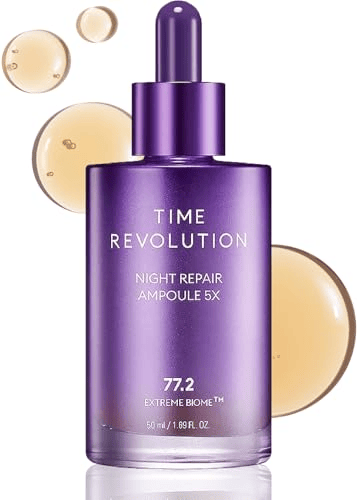
Next comes your serum. MISSHA Time Revolution Night Repair Ampoule 5X is a fermented night serum with adenosine that sinks in fast and leaves skin feeling soft by morning. Its ingredient list includes bergamot and geranium oils, so patch test first if your skin is sensitive. It’s about $31.
An eye serum for crow’s feet
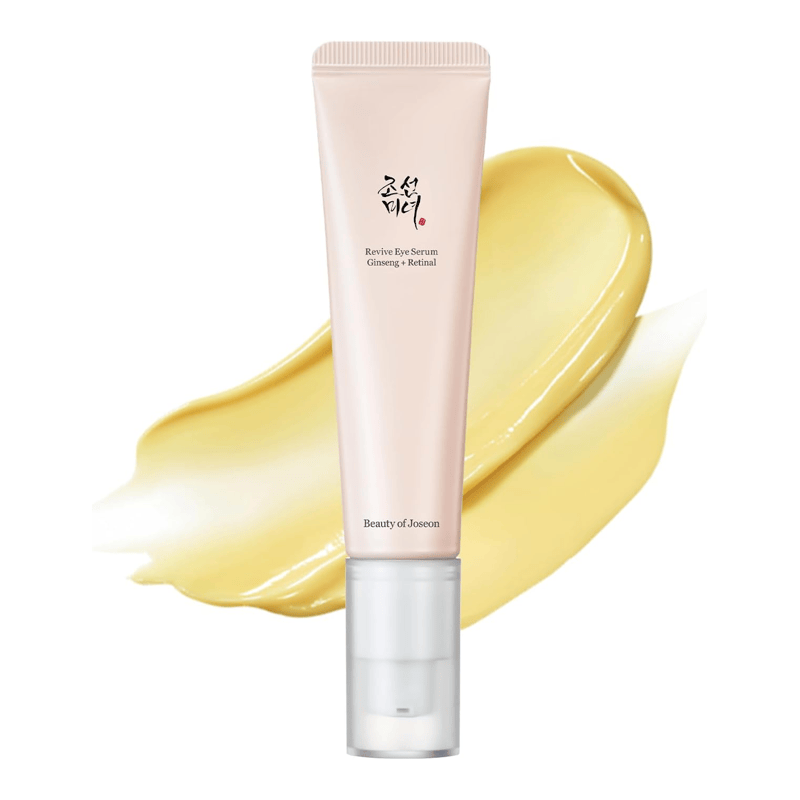
Tap eye products on with your ring finger, since it uses the lightest pressure. Beauty of Joseon Revive Eye Serum pairs adenosine with ginseng, niacinamide and retinal, a retinoid, so it’s a nice two-in-one for fine lines around the eyes. Because of the retinal, skip it if you’re pregnant or your eyes get irritated easily, and wear sunscreen over it during the day. It’s about $13.
A splurge moisturizer to finish
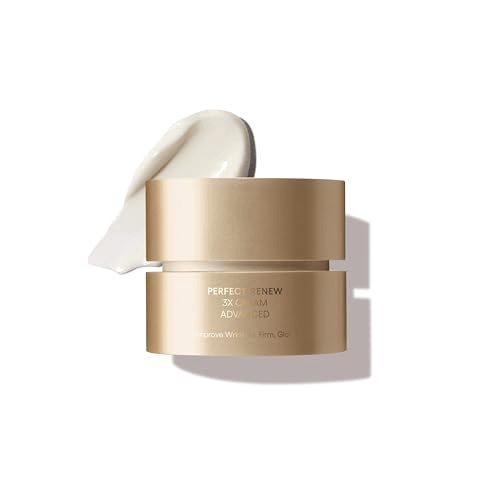
Moisturizer goes on last at night. LANEIGE Perfect Renew 3X Cream pairs adenosine with peptides and encapsulated retinol in one rich cream, so it does more than adenosine alone. It does contain fragrance and a retinoid, so ease in a few nights a week and see how your skin feels. It’s about $56.
Sunscreen does the heavy lifting
In the morning, sunscreen always goes last. The AAD says to wear it every day on any skin your clothes don’t cover. Sun is a big cause of early wrinkles, so this one step does more for fine lines than any cream, adenosine included.
Good ingredients to pair it with
Adenosine sits next to niacinamide in a lot of K-beauty formulas, and our niacinamide skincare guide explains what that one adds. Peptides are another common partner, and our post on copper peptides covers that family.
There’s no known clash with vitamin C, acids or retinol either. Add one new product at a time, though, so you know what’s to blame if your skin gets red or itchy.
Giving it a fair trial
In the studies, changes started around three weeks and kept building to eight. Pick one product and stick with it for about two months before you decide how you feel.
And don’t worry that adenosine always shows up near the end of the ingredient list. Ingredients are listed from most to least, and only a small amount of adenosine goes into a formula. Being near the bottom doesn’t make it useless. A little is all it takes.


