
For most beginners, the gentler of these two cheap, well-loved retinols is the better first bottle. One is a plain oil from The Ordinary. The other is a light drugstore serum from CeraVe. Both cost less than a takeout dinner, so the question isn’t really money. It’s which one your skin will put up with while it gets used to retinol.
For a lot of first-timers, the CeraVe is the easier start. It’s a light, fragrance-free serum with niacinamide and ceramides mixed in, and it’s made for post-acne marks, pores and rough texture. The Ordinary is simpler and cheaper and suits dry skin, but its 0.5% bottle is a second step, not a first one. Below we cover how each one works, who it suits, and how to start without a week of peeling.
What retinol does, and why it can sting at first
Retinol is a form of vitamin A. Once it’s on your skin, it gets converted into retinoic acid, which speeds up how fast your skin makes new cells. Over months, that can soften fine lines, fade dark marks, smooth rough texture and keep pores clearer. The American Academy of Dermatology lists retinoids among the most studied ingredients for aging skin.
That faster turnover is also why your skin can get dry, pink or flaky in the first few weeks. It’s usually temporary, and going slowly makes a huge difference. The base a retinol comes in, and what’s mixed in with it, changes how that adjustment feels, which is where these two really split.
The lighter serum with barrier helpers
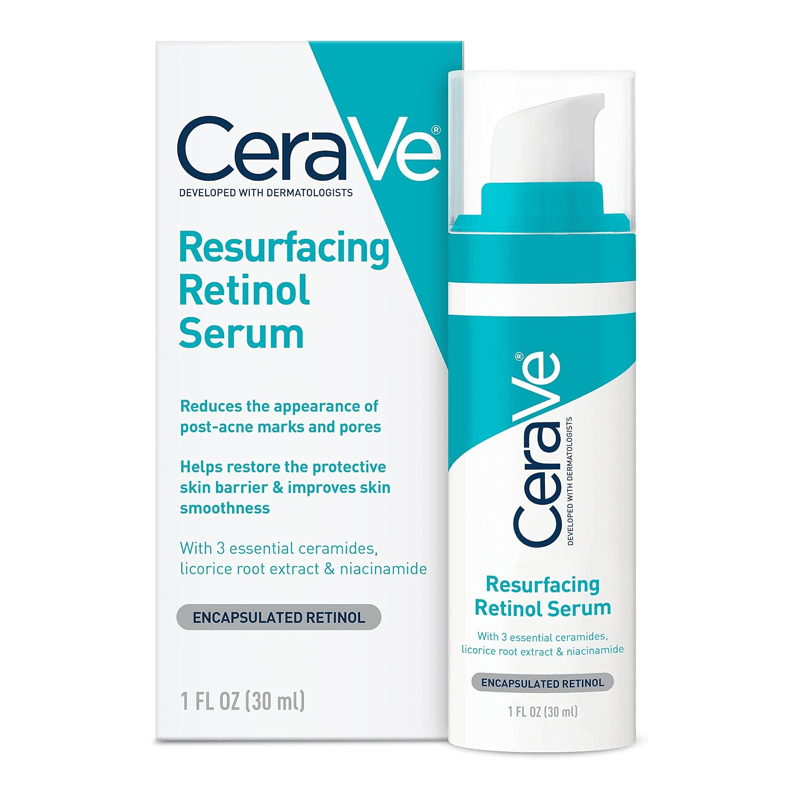
CeraVe Resurfacing Retinol Serum wraps its retinol in tiny capsules, called encapsulated retinol, which releases it more gradually. CeraVe doesn’t print the percentage, which is normal for drugstore retinol, so you can’t compare it number for number. What you can see is everything around it. Niacinamide is a form of vitamin B3 that helps with redness and uneven tone. Ceramides are the fats that hold your skin barrier together. Licorice root extract helps brighten, and hyaluronic acid adds moisture.
It’s made for post-acne marks, the flat brown or dark spots a pimple leaves behind, plus visible pores and rough texture. The texture is a light, water-based serum that sinks in fast and sits well under a moisturizer. It’s fragrance-free and won’t clog pores, so it’s a great pick for oily or breakout-prone skin that would feel greasy under an oil. Use it at night only, keep it off your lips and away from your eyes, and space out uses if your skin feels uncomfortable. About $16 for 1 ounce.
Starting with The Ordinary the smart way
The Ordinary sells its squalane retinol in three strengths, 0.2%, 0.5% and 1%, and the brand suggests starting low and moving up as your skin handles it. The two bottles below share the same short, water-free formula, so you can climb the ladder without changing anything else.
The first bottle to buy
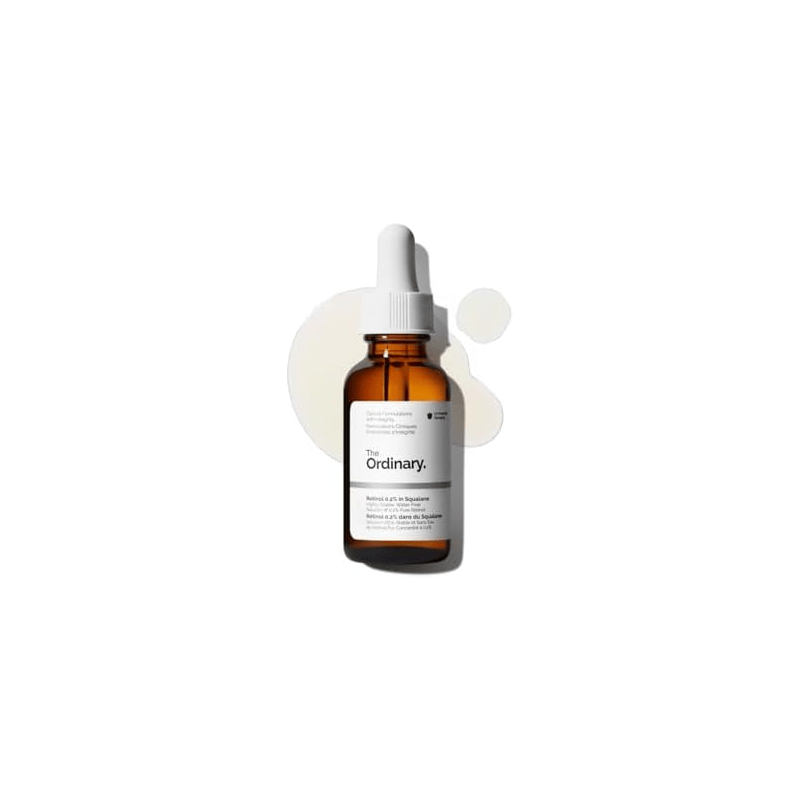
The Ordinary Retinol 0.2% in Squalane is the brand’s entry-level strength and the right first bottle if you want this formula. It’s mostly squalane, a light plant oil and jojoba oil, which cushion the dryness retinol can cause. It feels like a thin oil and suits dry and normal skin best. About $8 for 1 ounce.
The step up once your skin is ready
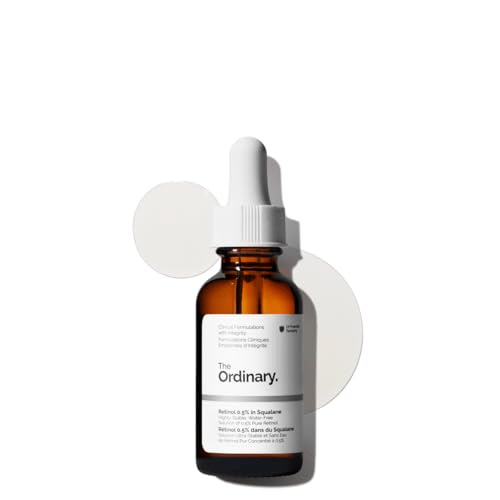
Once a few months on the 0.2% go by with no peeling or stinging, The Ordinary Retinol 0.5% in Squalane is a cheap next step. It’s the same squalane and jojoba base with 0.5% retinol, plus a little tomato and rosemary extract and two antioxidants to keep it stable. It’s also a good place to start if you’ve used a mild retinol before without trouble. Keep it in the fridge once it’s open and use it within three months, since retinol breaks down over time. It isn’t meant as an acne treatment, and on very oily skin the oil base can feel heavy. About $9 for 1 ounce.
The numbers next to each other
| Fact | The Ordinary 0.5% | CeraVe Resurfacing |
| Price per ounce (changes often) | About $9 | About $16 |
| Retinol strength | 0.5% | Not stated, encapsulated |
| Base | Water-free oil | Water-based serum |
| Won’t clog pores | Not oil-free | Yes |
| Storage | Fridge after opening, use within three months | No special storage |
The Ordinary’s shorter shelf life matters more than it looks. If you only use retinol twice a week at first, you may end up tossing part of a bottle, which can wipe out the price gap.
Matching the bottle to your skin
If this is your first retinol and you get breakouts or oily patches, start with the CeraVe. The same goes if dark marks from old pimples or big pores bother you most, since that’s what it’s built for. If your skin is dry and you like the feel of a simple oil, go with The Ordinary 0.2% and move up to the 0.5% later. And if your skin is red, inflamed or very sensitive right now, talk to a dermatologist before starting either one.
Easing in without wrecking your skin
The AAD suggests picking the gentlest formula you can find and using it every other night at first, then building up slowly. A pea-sized amount covers your whole face. Redness, dryness or peeling can show up early, especially around the eyes and mouth, so leave those areas for later. People with darker skin should go extra slowly, because irritation can leave dark marks behind. A patch test on a small spot first is a good idea with either serum.
Use retinol at night only, and wear sunscreen every morning, since it makes skin more sensitive to the sun. Don’t stack it with other retinoids, and save strong acids, pure vitamin C and copper peptides for different nights. If dryness gets to you, the retinol sandwich method puts moisturizer under and over it to soften the sting.
If you’re pregnant, trying to get pregnant or breastfeeding, skip both. The AAD says retinoids shouldn’t be used during pregnancy, and your doctor can suggest what’s safe for you instead.
Patience pays off here. You can expect to need a few months of steady use to see real changes, and our post on how long retinol takes to work covers what to expect along the way. For ongoing breakouts, a dermatologist can help you pick a true acne treatment. And for more gentle options at a range of prices, see our list of the best retinols for beginners.


