
The gunk your foundation brush hangs on to isn’t really on the tips you can see. It’s packed down at the base of the bristles, where a quick spritz of brush spray never reaches, which is why a spray is a nice extra but never a stand-in for a proper wash with water and cleanser. For that weekly wash, we’d start with EcoTools Makeup Brush + Sponge Shampoo. It costs about $7, it’s fragrance-free, and it works on every tool you own. For spot cleaning between washes, the EcoTools Daily Brush Cleaner spray dries fast and skips fragrance, and the e.l.f. Daily Brush Cleaner is the cheapest of the bunch at about $5.
Washing versus spritzing
Deep cleaners are the shampoos, gels and solid soaps. You lather them with water and rinse them out, and that wash is what pulls foundation, oil and dead skin out of the base of the bristles, the spot where a brush quietly holds on to the most.
Daily sprays are leave-on liquids that lift the top layer of color between uses. Think of clearing a brown shadow off your blending brush before you go in with a bronze. They’re handy for that, but they can’t get deep into a dense foundation brush. Mats aren’t cleaners at all, just textured silicone to scrub your brushes against while you wash.
How often your brushes need a bath
The American Academy of Dermatology suggests washing makeup brushes every 7 to 10 days, because they collect old makeup, dirt and oil over time. Dermatologists warn that a dirty brush can lead to breakouts, rashes and even infections, fungal ones included. If you’re prone to acne, the AAD is a little stricter and says to clean your brushes every week and keep them to yourself. Our post on how often to clean makeup brushes has the full schedule.
Foundation and concealer brushes should be washed weekly, no arguments. Powder, blush and eye brushes can stretch a little longer, which is where a daily spray earns its spot on your vanity, and our guide to brush sets breaks it down brush by brush. A damp sponge soaked in foundation needs washing far more often than any brush, and our post on whether makeup sponges are a bacteria trap explains how often and how.
EcoTools Brush + Sponge Shampoo, the one to buy first
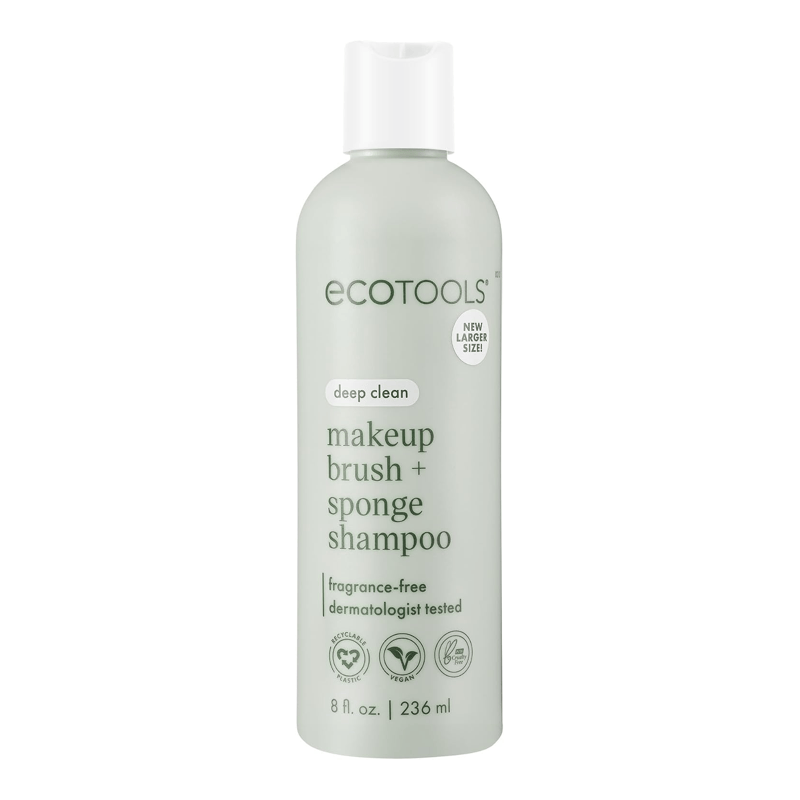
EcoTools Makeup Brush + Sponge Shampoo is about $7 for 8 ounces, though the price changes often. It’s a liquid cleanser for brushes, sponges and puffs, and it’s fragrance-free, vegan and cruelty-free.
If you only buy one cleaner, make it this one. It handles everything in your makeup bag, and it’s cheap enough that you’ll never feel the need to ration it. Being fragrance-free matters more than it sounds, too, since whatever’s left on the bristles ends up back on your face.
Real Techniques Miracle Deep Cleansing Gel, a drop at a time
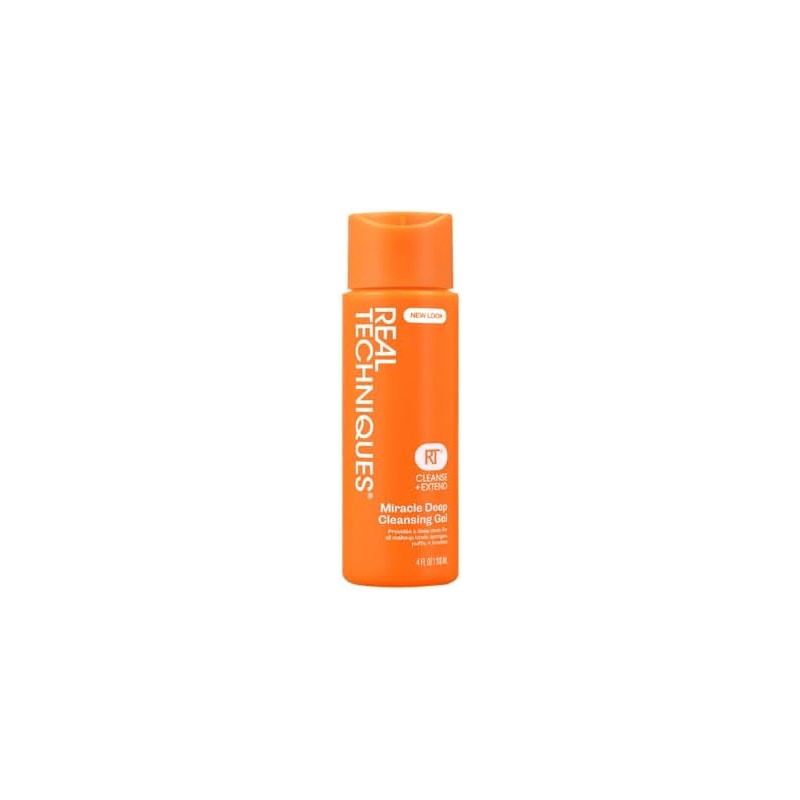
Real Techniques Miracle Deep Cleansing Gel is about $7 for 4 ounces. It’s made to deep clean every kind of makeup tool, from sponges and puffs to brushes, and it’s vegan and cruelty-free.
Using it couldn’t be easier. Put a drop on a wet brush or sponge, work up a lather, rinse well, reshape the head and lay it flat to dry. Real Techniques suggests doing this weekly so buildup never gets a chance to settle in, and because you only need a drop each time, a small bottle lasts a surprisingly long while.
Jenny Patinkin Brush Soap for brushes you love
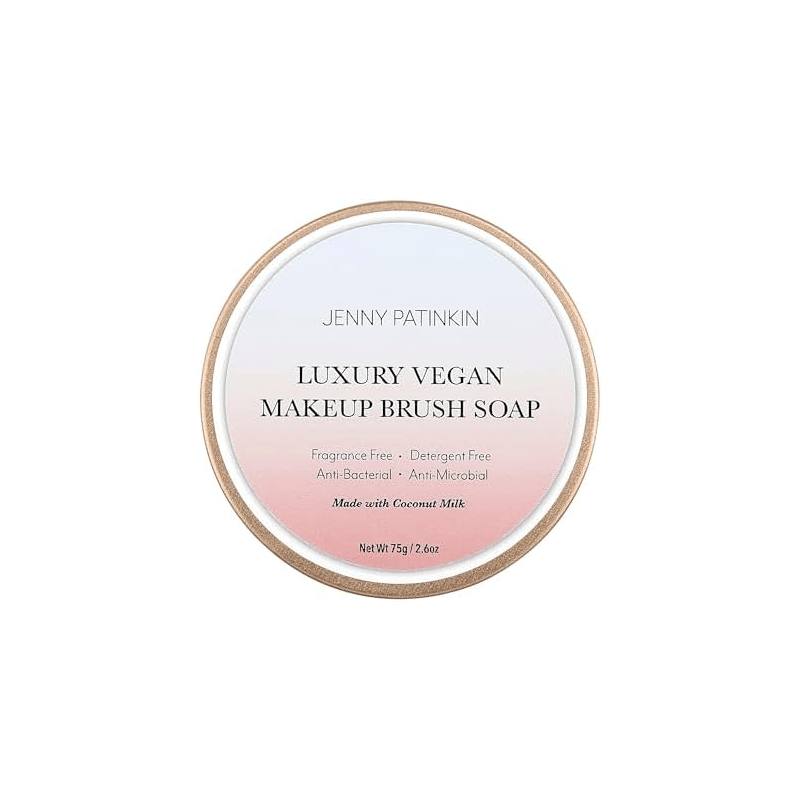
Jenny Patinkin Luxury Vegan Makeup Brush Soap is about $19. It’s a solid soap in a tin with a silicone scrub pad, made with coconut milk and coconut oil, and it’s fragrance-free and sulfate-free. It works on synthetic and natural-hair brushes as well as sponges and puffs.
It breaks down oils and pigments and rinses clean, so your bristles don’t come out crunchy or coated. This is the one to treat yourself to if you own a few good natural-hair powder brushes and want them to last for years.
beautyblender Blendercleanser Solid for stained sponges

beautyblender Blendercleanser Solid Charcoal is about $18 for 1 ounce. It’s a solid cleanser with charcoal, palm oils, aloe and coconut oil, made without parabens, sulfates and phthalates, and it comes with a silicone pad. It’s scented with lavender, so pass on it if fragrance tends to bother your skin.
The charcoal is there to pull out stubborn makeup, long-wear formulas included, and beautyblender says it protects against 99.7% of germs for up to 24 hours after cleansing. It shines brightest on sponges. If yours has turned a permanent shade of beige from long-wear foundation, this is the one to reach for, and it does a good job on brushes too.
EcoTools Daily Brush Cleaner for sensitive skin
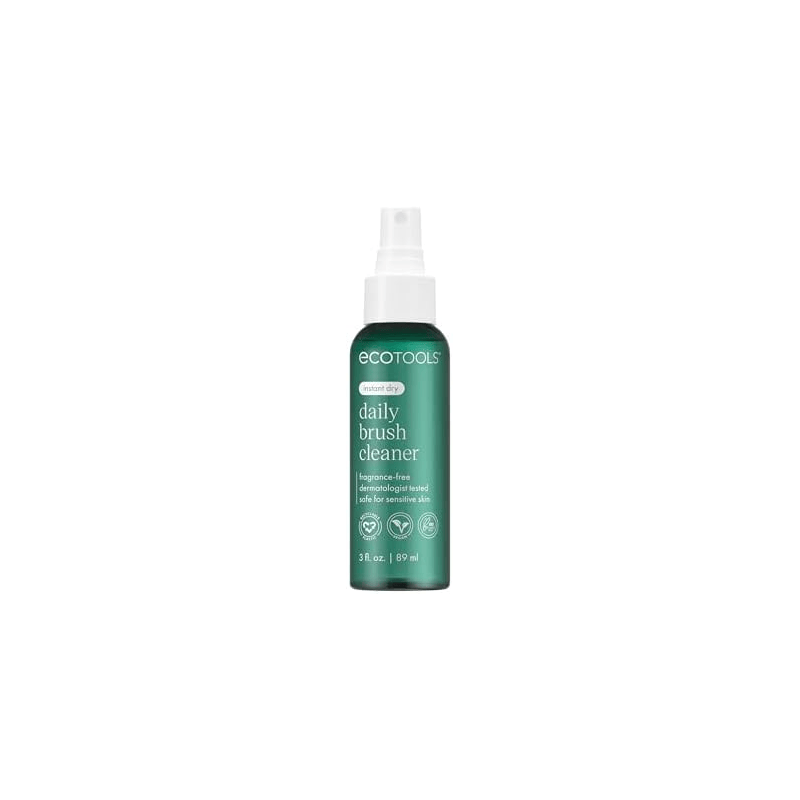
EcoTools Daily Brush Cleaner is about $6 for a 3-ounce travel spray. It’s fragrance-free, with jojoba, tea tree and macadamia oils in a quick-drying base, and it’s vegan and cruelty-free.
Spray the bristles, wipe the brush across a clean cloth and let it air dry. It’s the spray we’d pick for sensitive skin, with one small caution. It does contain tea tree oil, so skip it if that’s ever irritated you before.
e.l.f. Daily Brush Cleaner, the five-dollar fix
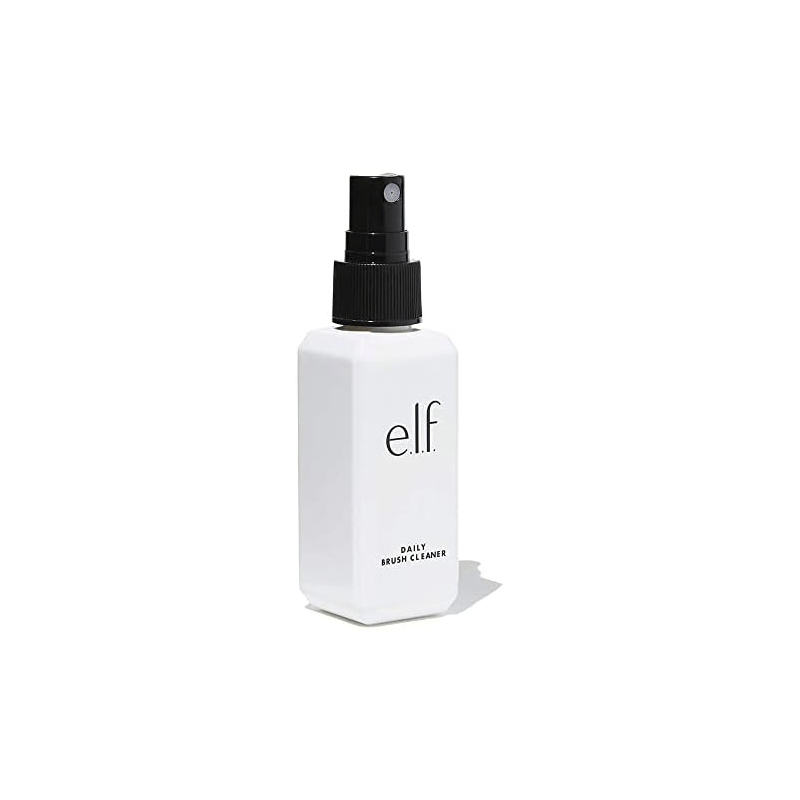
e.l.f. Daily Brush Cleaner is about $5, the cheapest pick here. It’s made for everyday use, clearing dirt, makeup and oil from a brush while conditioning the bristles, and it’s vegan and cruelty-free.
Keep it right next to your eyeshadow palette. A spritz and a wipe clears the last color off a blending brush, so the next shade goes on clean instead of turning muddy.
Sigma Spa Express Mat for a big brush collection
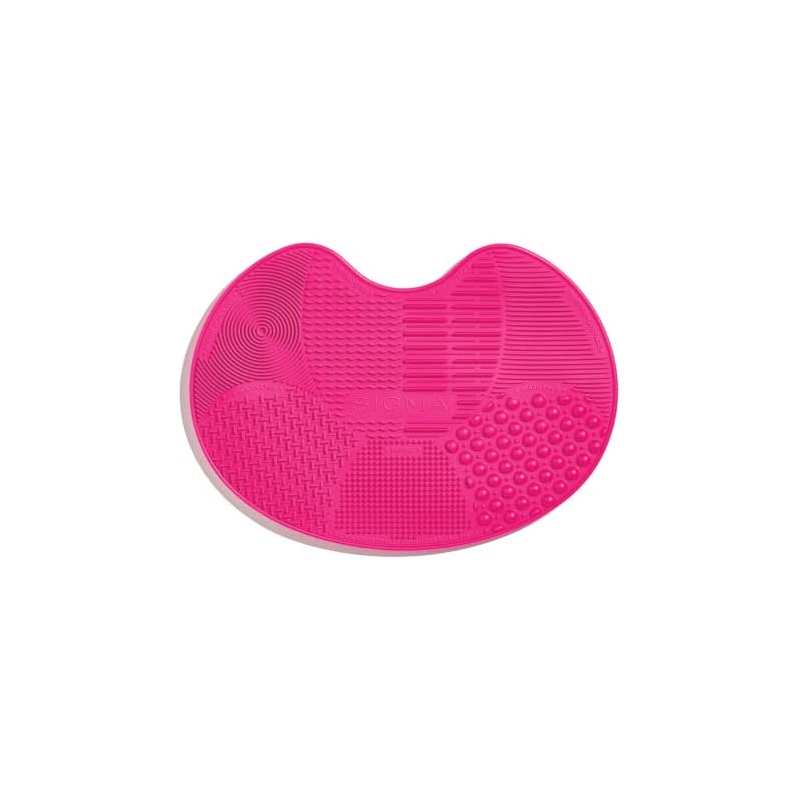
Sigma Spa Express Brush Cleaning Mat is about $35. It’s a compact silicone mat, about 9 by 5.6 inches, with seven textures and suction cups that hold it upright in the sink. Bigger brushes go on the Face textures and smaller ones on the Eye textures, and you move through them in order, washing, rinsing and then refining.
Your palm can do the same job for free, so think of this as a convenience buy. It makes sense if you own a dozen or more brushes and the weekly wash keeps getting skipped because it takes forever. If your sink is on the small side, measure before you order.
Washing a brush so it lasts
- Rinse just the tips. Hold the brush bristles-down under lukewarm running water rather than dunking the whole head. Water that creeps into the metal band, called the ferrule, slowly loosens the glue holding the bristles in.
- Add your cleanser. Put a drop of liquid or gel in your palm, or swirl the wet tips over a solid bar. The AAD’s own method uses a tablespoon of gentle or clarifying shampoo in a bowl of lukewarm water, and it warns that plain soap can dry out the bristles.
- Work up a lather. Swirl the tips in your palm or across a mat, which is when the foundation finally lets go.
- Rinse and repeat until the water runs clear. A foundation brush usually needs two or three rounds.
- Squeeze, don’t wring. Press out the water with a clean towel or paper towel, then reshape the head with your fingers.
- Dry flat with the tips over the edge. Lay brushes on a towel with the heads hanging off the counter. Drying them upright in a cup lets water run down into the handle, where it weakens the glue.
Dense brushes need a full day to dry. If you’re still deciding what to put foundation on with, our comparison of brush vs sponge vs fingers looks at how much cleaning each one asks of you.
Where to start, depending on your kit
With five brushes and a sponge, the EcoTools shampoo is all you need. Wash the foundation brush and the sponge on Sunday night and do the rest every other week. If you’re breaking out along your jaw or cheeks, wash your face brushes every single week, clean the sponge even more often, and stop sharing tools, sticking with the fragrance-free EcoTools shampoo. If the breakouts don’t settle down, it’s time to see a dermatologist rather than try yet another cleanser.
Love doing eye looks? Add the e.l.f. or EcoTools spray and spot clean between shades, and you’ll get cleaner color without needing four blending brushes. If you’ve invested in natural-hair brushes, the Jenny Patinkin soap is the kind choice, along with being fussy about drying them flat. And if your sponge stays stained no matter what, give the beautyblender charcoal solid a try. When it’s still stained, smells off or starts to tear, it’s time for a new one.
Washing anything that touches foundation each week matters far more than which bottle you buy, and you’ll find more on tools and technique in our makeup archive.


