
Those red bumps on your thighs, bikini line or bum that popped up right after shaving or a sweaty workout may not be acne at all. Very often they’re folliculitis, which is an inflamed hair follicle that can look a lot like a pimple. The giveaway is the pattern, because folliculitis bumps tend to look alike, each one sits around a hair, and they show up quickly after a trigger, while acne mostly sticks to the face, chest and back and usually brings blackheads along. Germs cause most folliculitis, though a yeast can too. Mild cases often clear once you stop whatever set them off, and sore, spreading or repeat bumps are worth a trip to a dermatologist.
What’s happening down in the follicle
Every hair grows out of a tiny pocket in your skin. A razor, a wax, or leggings rubbing against damp skin for an hour can damage that pocket, and then germs that normally live harmlessly on your skin slip in and cause swelling. The usual culprit is a staph bacterium that lives on everyone. What you end up with is a sore red spot, often with a white, pus-filled tip.
Not every case is an infection, though. Hair growing back after shaving or waxing can irritate the follicle all by itself, and swabs from those bumps find no germs at all. This type is common on women’s lower legs and tends to be very itchy. Heavy, greasy products can cause bumps as well, since thick ointments, rich moisturizers and sticky bandages can block follicles with no germ involved.
Other triggers include tight clothes or sports gear, weight gain, and some medicines, like coal tar on the skin and steroid pills.
Four kinds that show up most often
Shaving and waxing bumps appear a day or two after hair removal, on the bikini line, underarms or legs. Sometimes it’s irritation from hair growing back, and sometimes a mild infection joins in. If you’re also dealing with hairs that curl back into the skin, our guide to why ingrown hairs happen covers that side of things.
Hot tub folliculitis shows up as itchy red bumps 12 to 48 hours after a soak, mostly where your swimsuit sat. It’s caused by a germ that loves warm water without enough chlorine.
Workout folliculitis comes from hot, damp skin plus rubbing, which is the perfect setup for irritated follicles. Bike shorts and sports bras worn long after class are the classic cause, so the bumps land on your bum, your thighs and under your bra band.
Fungal folliculitis comes from a yeast rather than bacteria. It looks like small, matching, itchy bumps, mostly on the upper back and chest, and sometimes on the forehead, hairline, neck and upper arms. Heat, humidity, heavy sweating and oily skin raise the odds, and so do rich moisturizers and sunscreens or a recent round of antibiotics. This is the one the internet calls fungal acne, and our post on fungal acne vs regular acne goes deeper.
Telling folliculitis and acne apart
Technically, acne is a type of folliculitis, since it also starts in the follicle. In everyday life, though, the two behave differently, and most of the clues are in the pattern.
| Clue | More like folliculitis | More like acne |
| Where | Anywhere there’s hair: thighs, buttocks, legs, bikini line, underarms, chest, back | Face, chest, upper back, shoulders |
| How it starts | Suddenly, after shaving, waxing, a hot tub or a sweaty day | Gradually, in cycles, often with hormones |
| What the bumps look like | Similar-sized red bumps or pustules, each around a hair, often with a red ring | A mix: blackheads, whiteheads, red pimples, sometimes deep cysts |
| Blackheads | No | Yes, usually |
| Itch | Common, especially with the yeast and hot tub types | Unusual |
| Under a swimsuit or tight leggings | Very typical | Less typical |
Blackheads are the most useful single clue. The yeast type doesn’t come with them, which is one way dermatologists tell it apart from acne, so if every bump looks the same and none of them is a blackhead, think folliculitis first.
Still, the two overlap enough that a dermatologist will sometimes swab a bump or gently scrape the skin to see what’s growing there.
Calming the bumps at home
If your case is mild and you’re otherwise healthy, the bumps usually fade on their own once you stop whatever caused them.
- Stop the trigger. If shaving or waxing started it, the American Academy of Dermatology suggests taking 30 days off. For the itchy shaving rash on the legs, DermNet says to wait about three months after it settles before you start again.
- Try warm compresses. Hold a warm, damp washcloth on the area for 15 to 20 minutes, three or four times a day, since moist heat can help the bumps drain.
- Change out of sweaty clothes right away. Shower after a workout and slip into something loose and dry, because tight clothes in hot, sticky weather keep rubbing the follicles.
- Skip heavy products on the area. Thick ointments and rich creams can make things worse, so if the skin needs moisture, reach for a lighter, oil-free lotion.
- Keep the area clean, and your laundry too. Use fresh washcloths and towels, and wash your swimsuit after every wear, letting it dry completely.
- Don’t pick or squeeze. It only irritates the follicle more, and if an infection gets deep into a follicle, it can turn into a painful boil.
When you go back to shaving, be gentle with your skin. An electric razor is the go-to tip for women whose leg bumps keep coming back, and if you prefer a blade, use plenty of shaving gel. MedlinePlus adds that you should use a clean, new blade or an electric razor each time. Our guide to shaving without razor burn has the full routine.
Three drugstore helpers for bumpy skin
None of these cures folliculitis, and none of them is made for it. They’re drugstore basics that fit the advice above, with an antifungal wash for the itchy yeast type, a benzoyl peroxide bar in case it’s really body acne, and a gentler way to shave.
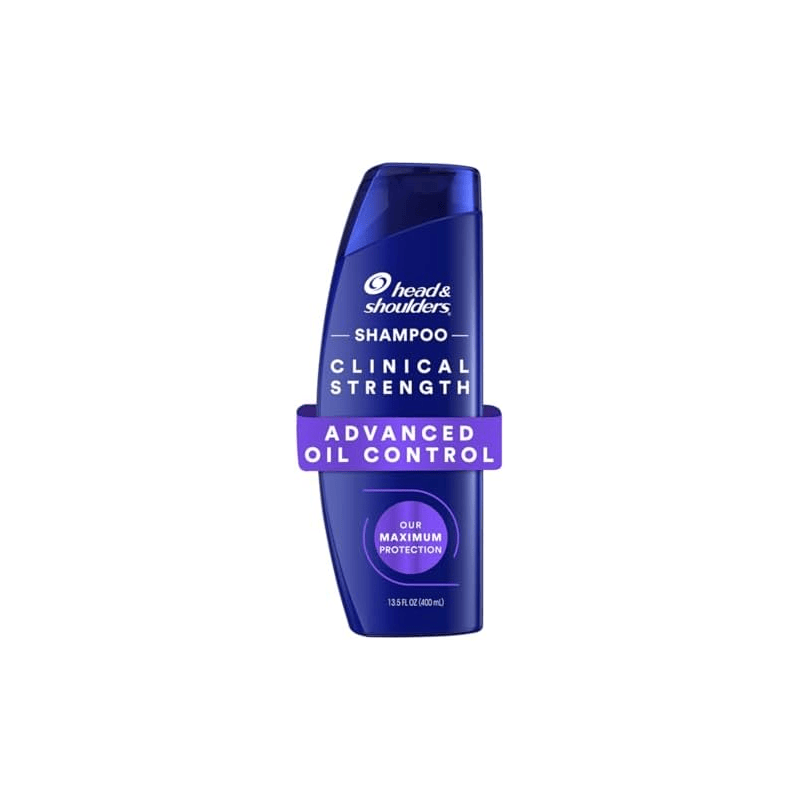
Head & Shoulders Clinical Strength Advanced Oil Control runs about $12, though the price changes often. Its active ingredient is 1% selenium sulfide, and it treats the flaking, itching and redness of dandruff and seborrheic dermatitis. DermNet lists selenium sulfide shampoo as a wash that works for yeast folliculitis when it’s left on briefly and then rinsed off. Using a dandruff shampoo on your chest or back is off-label, so check with your dermatologist first, keep it out of your eyes and rinse well. On bleached, tinted, gray or permed hair, the directions call for a five-minute rinse.

The Dermaharmony 5% Benzoyl Peroxide Cleansing Bar is about $10 for a 4-ounce bar. It’s a fragrance-free acne bar, and benzoyl peroxide is one of the best-known drugstore acne fighters. It’s on this list in case your “folliculitis” turns out to be body acne, the kind with blackheads mixed in across the chest and back. Since it works on bacteria rather than yeast, it won’t do much for the itchy fungal type. It also bleaches fabric, so rinse well and use a white towel. For the full routine, see how to get rid of body acne.
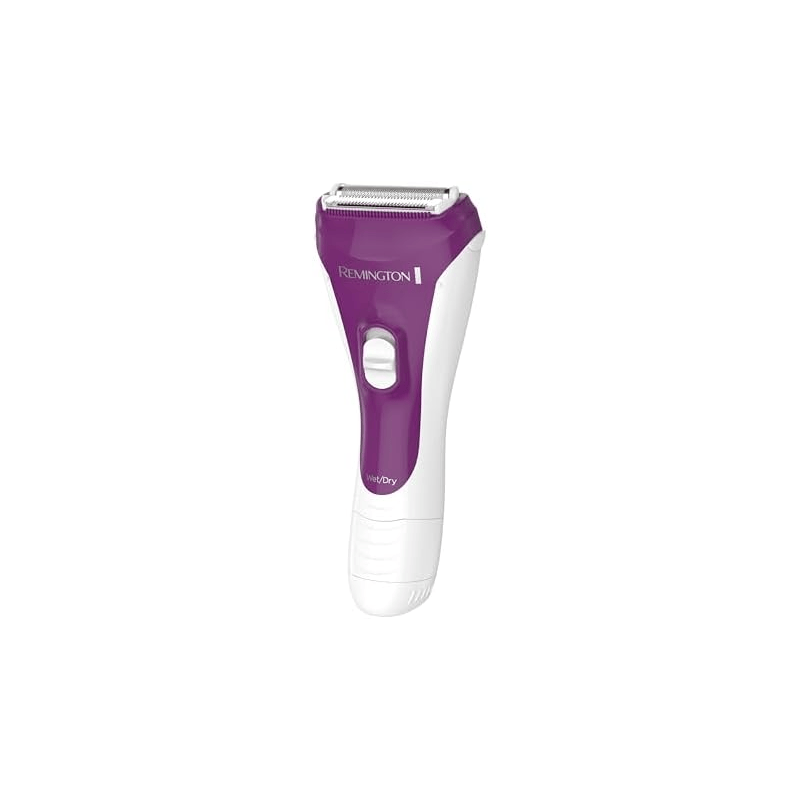
The Remington Smooth & Silky Electric Shaver for Women costs about $25 and has three floating blades under soft foil covers plus a clip-on bikini trimmer. It runs on two AAA batteries, which come included, and it’s waterproof, so you can use it wet or dry. A foil shaver doesn’t cut as close as a blade, and that’s exactly the point, since less scraping means fewer sore follicles. It’s a good one to start using once the bumps have settled.
Signs it’s time for a dermatologist
Mild folliculitis is common and usually harmless, but book a visit if any of these sound familiar:
- The bumps are painful, warm, swollen or getting bigger, or one turns into a boil
- It’s spreading, or you have a fever or feel sick
- It keeps coming back, or isn’t better after a few days of home care
- You’ve treated it as acne for weeks with no change
- You can’t stop shaving (for work, say) and the bumps keep coming
Some folliculitis needs a prescription. Depending on the cause, a dermatologist may give you an antibiotic cream or pill, or an antifungal cream or pill for the yeast type, and they can also spot other follicle problems that look similar.
What your bumps are telling you
If the bumps showed up a day after a hot tub, wash your swimsuit, skip hot tubs you’re unsure about, and give it some time, since it usually settles without treatment. See a doctor if it hurts or you feel sick.
If it’s your bikini line or legs after shaving, put the razor down for a month and use warm compresses, then switch to an electric shaver when you go back.
If you’ve got tiny, itchy, same-sized bumps across your chest and upper back, especially after a sweaty summer or a course of antibiotics, suspect yeast. Switch to a lighter moisturizer, change out of sweaty clothes quickly, and ask a dermatologist about an antifungal wash.
If you see blackheads among the bumps, treat it as body acne with a benzoyl peroxide or salicylic acid wash, be patient, and see a dermatologist if it isn’t better in a few months.
If a bump is hot, hard and getting bigger, leave it alone. That’s a boil in the making, and it needs a doctor.
Does it spread, and how long does it stick around?
The germs and yeast behind folliculitis already live on skin, so it doesn’t usually pass from person to person the way a cold does. It’s still smart not to share razors or towels, and to wash anything that touched the area. Mild cases usually clear on their own once the trigger stops. MedlinePlus says to contact a provider if home care isn’t helping and it lasts more than two or three days, gets worse or keeps coming back.
When it does keep returning, the trigger is usually still around, like the same shaving routine, the same leggings or the same rich body butter. If it’s painful, spreading or simply won’t quit, a dermatologist can tell you what’s growing there and what will clear it, and there’s more in our skin archive.


