
So you’ve got an event in four days and a big sore bump just showed up on your chin. Not a whitehead. The deep kind that hurts when you smile. Concealer won’t hide it and squeezing will make it worse.
This is what a cortisone shot is for. A dermatologist cleans the skin, puts a very thin needle into the bump and injects a tiny amount of diluted steroid. It takes a few seconds. The American Academy of Dermatology says most cysts go flat in 48 to 72 hours. So yes, you have time.
It’s for one or two bad spots though. It won’t clear up your acne. And there are a few risks you should know about before you call.
What’s in the needle
It’s a corticosteroid. That’s the same group of drugs people get in a shot for a sore knee or shoulder. For acne the dose is a lot smaller, it’s watered down and it only goes into the one bump. A lot of doctors use triamcinolone. Your dermatologist picks the drug and how strong it is.
Steroids bring down swelling.
A cyst is basically a deep, swollen pocket under the skin. When the swelling goes down the lump gets smaller and that throbbing feeling stops. Getting a deep cyst treated early can also lower the chance of a scar. That’s a big deal, because deep acne is the type most likely to scar. The shot can’t kill bacteria or unclog pores, and it won’t stop the next cyst. It only takes care of the one you have right now.
A quick visit, start to finish
The appointment is short. Sometimes they just add it on to a normal dermatology visit. First the doctor looks closely at the bump. They need to make sure it’s an acne cyst or nodule and not an infected cyst, a boil or some other kind of lump. That’s a big part of why this has to be done at a doctor’s office.
Then the shot. They clean the skin and use a very thin needle to put a small amount of steroid into the cyst. You’ll feel a pinch and some pressure for a few seconds. The cyst already hurts, so a lot of people say the needle is the easy part. Most of the time there’s no bandage and you can go right back to work.
Some cysts need to be drained instead, or as well. This is called incision and drainage. The dermatologist opens the bump with a sterile needle or blade and clears it out. Please don’t try this at home. The risk of infection is high when it’s not done in a medical office.
Timing it before a big day
The throbbing can get better within a day. The lump shrinks over the next 2 to 3 days, so plan around that. If a cyst shows up on Monday and the party is Saturday, you’re in good shape. If it shows up the night before, that’s harder, because the medicine needs a couple of days to work. Some offices keep same-day or next-day spots for this, so ask when you call.
Don’t expect it to be gone. Expect it to look a lot better. A flat pink or brown mark can stay for a while, more so on darker skin. But a flat mark is way easier to cover with concealer than a raised lump. That alone helps a lot.
Who it suits
The shot works best for one or two big, painful cysts or nodules. The deep, hard ones that sit under the skin, hurt when you touch them and never come to a head. We’d also think about it if the cyst is somewhere likely to scar, or if you have something important coming up and can’t wait.
It’s an emergency fix, not a regular treatment. Dermatologists save it for the odd bad breakout and they don’t recommend getting it often. It’s not for whiteheads, blackheads or small red pimples. Normal acne products work for those. Only a doctor should inject a corticosteroid, so skip any spa or at-home version. And if you get new cysts every month, a shot each time isn’t the answer. A longer-term plan will work much better.
Things to mention before the needle comes out
At the start of the visit, tell them about your medicines, supplements and any health conditions. A few things can change the plan.
- Signs of infection. Cleveland Clinic says steroid shots shouldn’t go into an infected area. If the bump is hot, spreading or oozing, or you have a fever, you need a different kind of care.
- Diabetes. Steroid shots can raise blood sugar for a short time. Cleveland Clinic suggests people with diabetes check their levels more often for about five days after a cortisone shot. The acne dose is small, but tell your dermatologist anyway.
- Blood thinners or a bleeding problem. These can change whether a shot makes sense. Don’t stop taking any medicine on your own. Just tell the doctor.
- Past shots in the same area. More shots in one spot raise the risk of a dent.
- Pregnancy or breastfeeding. Mention it so you and your doctor can decide together.
The small dent and other risks
For one shot in one cyst, side effects are usually mild. The main one to know about is a small dent. The steroid can thin the skin or the fat under it and leave a little pit where the cyst was. This is more likely with a stronger dose, more shots in the same spot, or if the medicine goes in too deep. It doesn’t happen often. When it does, it shows up a couple of months later. Most dents fill back in over a year or two, but some take longer. A good dermatologist lowers the risk by using a low strength and the right depth.
The skin where the shot went in can also get lighter than the skin around it. Cleveland Clinic lists skin lightening as one of the common side effects of cortisone shots. It’s easier to see on darker skin and it usually fades over time. If you have medium or deep brown skin, ask your dermatologist how they keep this risk low.
Other than that you might get some soreness, a small bruise or a bit of redness where the needle went in. That goes away in a few days. Infection is rare, but it can happen with any needle. Call the office if the spot gets more painful, hot or swollen, or if you get a fever.
Now think about what most of us do instead. We squeeze it. Picking at a cyst can make it look worse and raise the risk of infection, dark marks and scars, especially on darker skin. A cyst you keep pressing on for a week can do more damage than one careful shot.
Price and insurance for a cyst shot
There’s no set price. It depends on where you live, the office and how many spots they treat. There may also be a visit fee, especially if you’re a new patient. Insurance is hit or miss. A cyst counts as part of a medical skin condition, so some plans cover the shot as acne care and some don’t. Before you go, ask the office how much each shot costs and if they bill insurance. Then call your insurance company too.
Caring for the spot afterward
Aftercare is easy. Mostly, don’t touch it. Pressing, squeezing or picking can bring the swelling back and make a mark more likely. Most people can wear makeup once the tiny needle mark has closed. Check with the office first, and use a clean brush or clean fingers.
A face wash that won’t sting
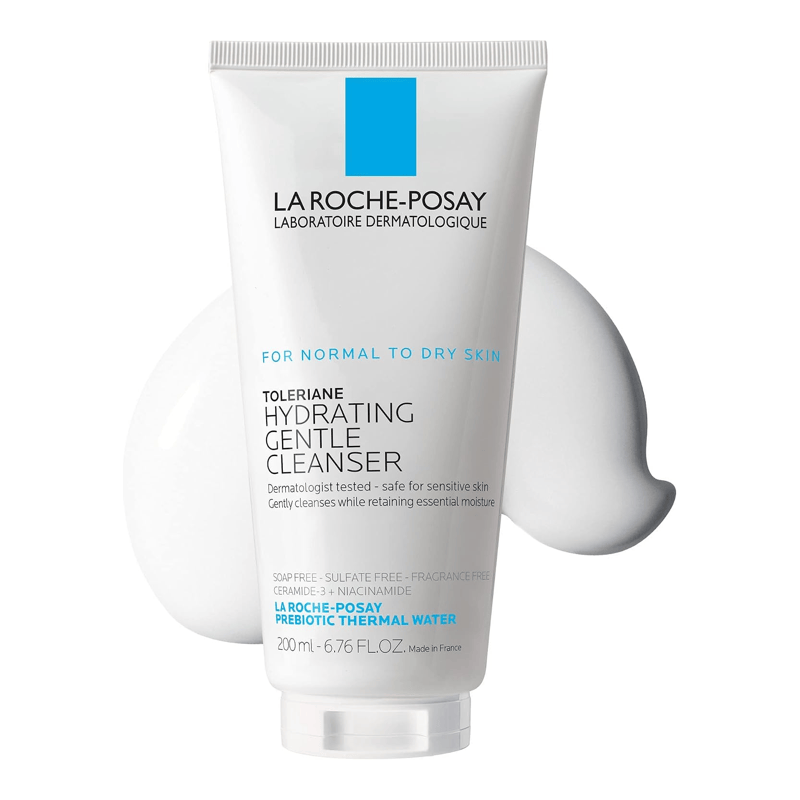
Don’t use scrubs or cleansing brushes on that spot for a few days. Just wash with your fingertips. La Roche-Posay Toleriane Hydrating Gentle Cleanser is a creamy wash with no fragrance. It gets your face clean without stinging sore skin, and your skin feels soft after, not tight. It’s about $16, and it’s a good everyday cleanser even after the bump is gone.
A patch for the urge to touch
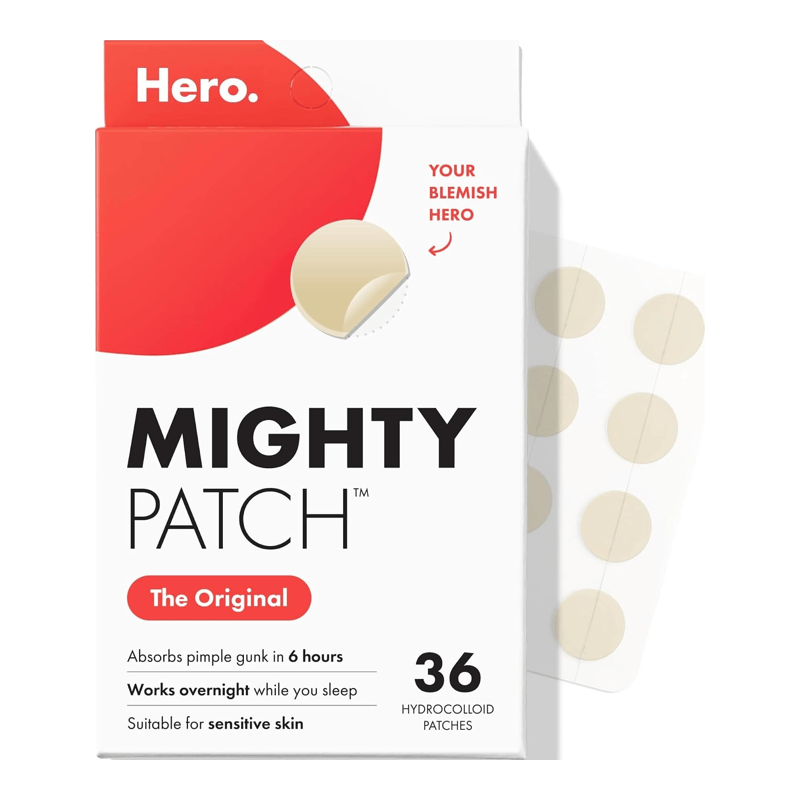
If you’re a picker, this one is for you. Hero Mighty Patch Original is a small clear hydrocolloid sticker. It keeps your fingers off your face. It sits flat on clean, dry skin and you can wear it overnight. Ask your dermatologist if it’s OK to use over the treated spot. It won’t shrink a deep cyst like the shot does, but it protects the skin while it heals. It’s about $12. Our roundup of the best pimple patches has more options for surface spots.
Sunscreen so the mark doesn’t darken
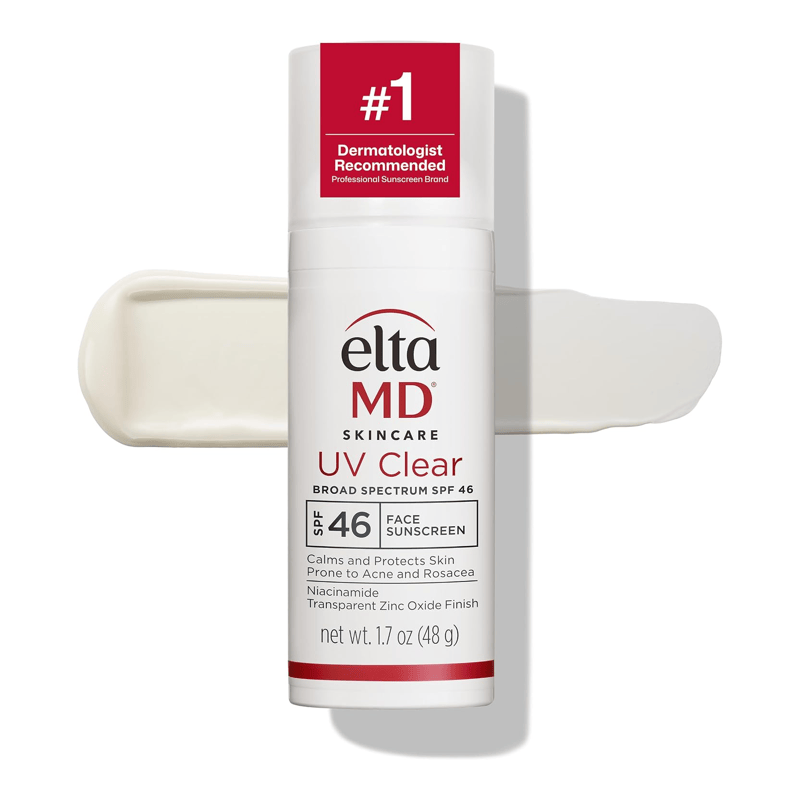
The sun can make the mark from a healing cyst darker, so wear sunscreen every day. EltaMD UV Clear SPF 46 is a light zinc oxide face sunscreen. A lot of people with acne-prone skin like it because it doesn’t feel heavy or greasy, and it works well under concealer. It’s about $46, so it’s the most expensive one here.
Call the office if the bump gets bigger, hotter or more painful instead of better. Also call if you see a dent or pale patch in the weeks after. Not sure if a spot is going to scar? This guide on how to tell whether a pimple will scar goes through the signs.
Stopping the next cyst
One cyst before a big day is bad luck. Cysts every few weeks are a pattern. Getting shots over and over raises the risk of dents and pale spots, and it doesn’t stop new cysts. So use the appointment to ask how to keep them from coming back. For deep, painful acne, dermatologists have stronger options than anything you can buy at the store. Depending on your skin and health, that could be prescription creams, antibiotic pills, spironolactone for some women, or isotretinoin for severe acne.
Over-the-counter products are still a good base. They can work alongside a prescription if your doctor says it’s fine. Already using a prescription? Ask before adding either of these.
A benzoyl peroxide wash for the shower
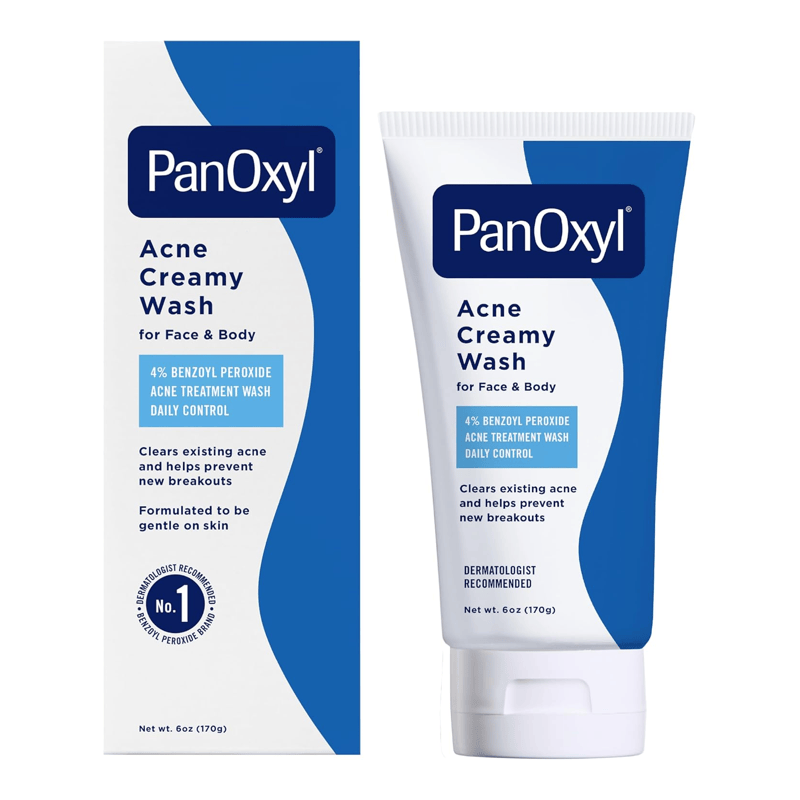
PanOxyl Acne Creamy Wash 4% Benzoyl Peroxide is our pick for the shower. It’s the lower of the brand’s two strengths, and the creamy formula is gentler than a harsh foaming wash. Benzoyl peroxide fights acne bacteria. Leave the lather on for about a minute before you rinse so it has more time to work. One warning: it bleaches towels and pillowcases, so use white ones. It’s about $10.
A retinoid gel for the long game
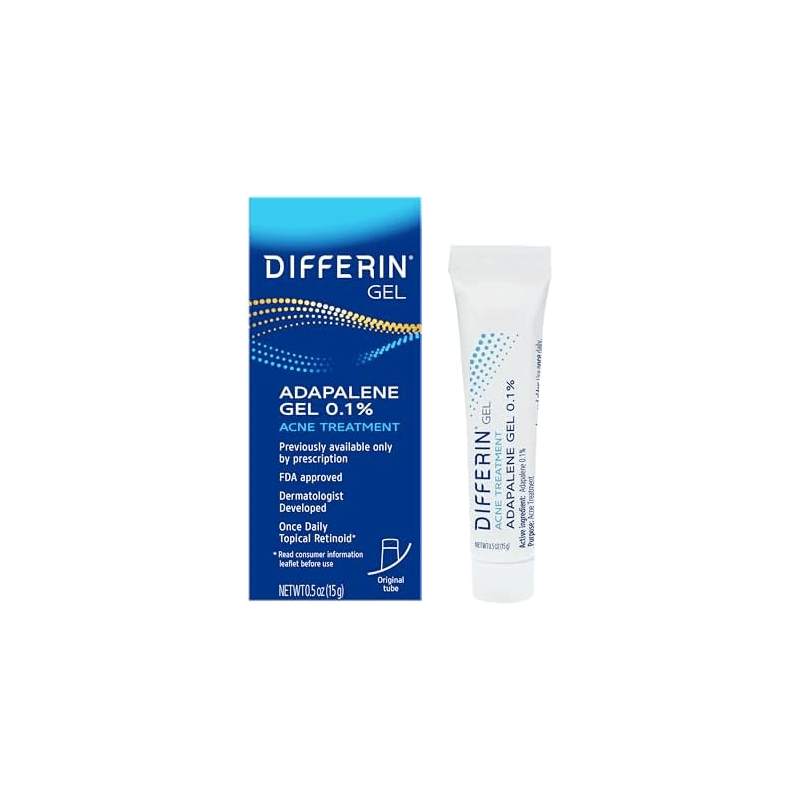
Differin Gel is adapalene 0.1%, a retinoid you used to need a prescription for. It keeps pores from clogging, so you get fewer breakouts. Put a thin layer on dry skin once a day. Your skin might feel dry or a little irritated for the first few weeks. If so, use it every other night. Ask before putting it on the treated spot. It’s about $11.
Our guide on how to get rid of cystic acne has more on building a full routine.
Questions worth bringing to the appointment
Ask if the bump is an acne cyst or something that needs a different kind of care. Ask if a shot, draining or both would work best. Find out how soon it should go down and how it will look by your event. Ask what strength they use and how they lower the risk of a dent or pale spot, and if darker skin changes anything. Then ask the boring but useful stuff. What it costs, if insurance covers it, when you can wear makeup or a patch, how often your face can safely be treated, and what you can do to stop getting these cysts.
If you haven’t seen a skin doctor in a while, this piece on whether a dermatologist visit is worth it covers what to expect at a first appointment. For more on breakouts, scars and skin care, see the skin archive.


