
Most days I notice it while I’m typing an email or fishing around in my bag for my keys, that tiny flap of skin that snags on everything, plus cuticles that look white and ragged and dry even when my polish is fresh. Pretty much everybody gets this once the heat kicks on inside, the hand washing ramps up and the dish soap comes out after dinner every night.
Cuticle oil is about as cheap and easy as beauty fixes get, and the specific bottle matters less than you’d expect, because most of them are built on close cousins of the same light oils. What decides whether it does anything is using it every single day, so for me the real question is which format I’ll actually pick up, a pen I can toss in my bag, a dropper bottle that sits by the bed, or a little tin of balm for skin that’s already cracked.
Why cuticles get so dry and ragged
I’ll admit I had no clue what a cuticle was even for until recently. It’s a thin seal of skin at the base of your nail, and its job is keeping water and germs out of the nail root (that’s the spot your nail actually grows from). The skin along the sides of each nail is thin as well, and since it hardly makes any oil of its own, it dries out quickly.
Washing them all the time and using sanitizer both strip away oil, and hot water, dish soap and cleaning sprays do the same thing. Dry winter air and the heat running indoors pull moisture out too, and the American Academy of Dermatology points out that nails split more easily when the air is dry. I picked at my cuticles for years, and every bit of picking, biting or cutting leaves little tears that turn into hangnails. Then there’s gel and acrylic removal, where all that acetone can leave the whole area parched for days afterward.
Oil helps in two ways. It softens the skin so it’s less likely to tear and lift, and it leaves a thin layer on top that slows how fast water escapes. Over time, nails that stay flexible tend to bend a little when you bang them on something instead of snapping. I wrote a whole separate post on cuticle oil benefits if you’d like the longer explanation.
A pen for your bag
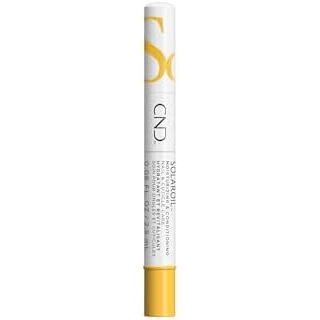
For anyone who keeps meaning to oil their nails at home and somehow never gets around to it, I’d start with the CND SolarOil Care Pen. It’s the travel-size version of a salon classic, light oils with vitamin E. You twist the end, swipe the little brush along each cuticle and rub it in (no drips, no tiny lid rolling under the car seat). It costs more per drop than a bottle, but I’d rather pay for one I actually use.
A dropper bottle for the nightstand
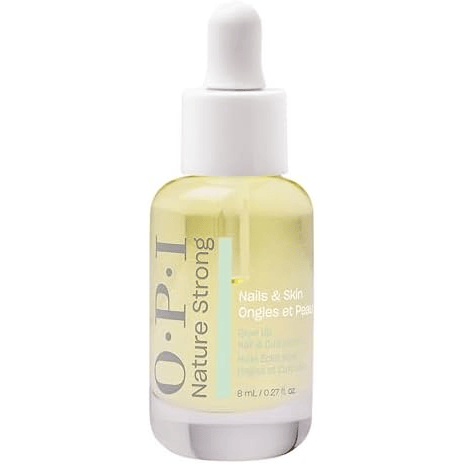
My favorite time to oil is right before bed, because nothing wipes it off for hours. The OPI Glow Up Nail & Cuticle Oil, part of their Nature Strong line, is a light mix of macadamia, sunflower, baobab, argan and grape seed oils with vitamin E. One or two drops per nail is plenty. It’s the best value of the three, about $13 for 8 milliliters. It does have a scent, so if fragrance bothers your skin, one of the other two is the safer pick.
A balm for cracked, split cuticles

When my cuticles get past slightly dry and into split and peeling, a thicker balm stays put longer than an oil does. Badger Cuticle Care comes in a small tin and it’s a shea butter balm with sea buckthorn extract, USDA certified organic, with a soft citrus smell from essential oils. I rub a little in at night and after washing my hands. At about $9 for a 0.75-ounce tin it’s the cheapest of the three.
Lots of people end up using two of them, like an oil during the day and the balm at night when the cracking gets bad, and all three are fine to use over polish once it’s completely dry.
How to use cuticle oil so it actually helps
I put mine on clean, dry hands, ideally right after washing. I dab a little on each cuticle and on the skin along both sides of the nail, then I massage it in with the pad of my other thumb for a few seconds on every finger. That little massage is worth the extra few seconds, because it helps the oil soak in and it gets blood flowing around the nail. I try for at least once a day, and twice when my hands are really dry, and if you keep at it most people notice smoother, less ragged cuticles within a week or two.
The oil works better when a few other habits back it up. I wear gloves for dishes and cleaning, I put hand cream on after every wash, and I keep a bottle or a pen wherever I spend the most time, since out of sight means forgotten.
Things I stopped doing to my cuticles
Cutting them is the big one I gave up. The AAD advises against cutting your cuticles or pushing them back hard, because they protect the nail root and a cut gives germs a way in. I still like them to look tidy, so now I wait until I’m out of the shower and the skin is soft, and I gently ease them back a little with a soft towel. I also quit biting or ripping off hangnails, since that tears into live skin, and these days I snip a hangnail close to the base with clean clippers instead (my hangnail guide goes through how to do it without making things worse). The last habit I dropped was oiling only now and then, since it’s the daily part that makes the difference.
When it’s more than dry skin
Red, puffy, warm or sore skin around a nail, or any pus at all, is not something to keep oiling and hoping about, so please see a doctor. It could be an infection called paronychia, and that may need treatment. I’d also get it looked at if a nail changes color, starts lifting off the nail bed, gets thick or shows dark streaks, or if the dryness and cracking come with an itchy rash that won’t clear up, because a dermatologist can figure out whether it’s a skin condition, a fungus or something else.
If you want the whole step-by-step with filing and buffing included, my cuticle care routine keeps it all in one place.
Cuticle oil questions people search
How often should you use cuticle oil? At least once a day, and twice when your hands are really dry. Daily use matters more than which bottle you buy.
Can you put cuticle oil on over nail polish? Yes, once the polish is completely dry. Just skip it on bare nails right before you paint, since polish won’t stick to oil.
Is cuticle oil or cuticle cream better? Oil sinks in fast and is easy to use every day. A balm or cream stays put longer, so it’s better for cracked, split cuticles.
How long does cuticle oil take to work? Most people see smoother, less ragged cuticles within a week or two of daily use.


