
You find the perfect sleeveless dress for a summer wedding, try it on, and then catch the backs of your arms in the dressing room mirror. Little rough bumps, sometimes a bit pink, that feel like fine sandpaper when you run your hand over them. That’s keratosis pilaris, or KP, and it’s incredibly common. Scrubbing harder won’t smooth it. The right lotion will, slowly, and it doesn’t have to cost much.
We’ll start with why the bumps show up and which ingredients help, then go through the products in the order you’d use them, from the shower to the lotion you smooth on after.
What’s behind the bumps
KP happens when keratin, a protein in your skin, builds up and forms hard little plugs in the hair follicles. You’ll usually see it on the backs of your upper arms and the fronts of your thighs, and sometimes on the cheeks or bottom. It runs in families, it’s more common if you have very dry skin or eczema, and it almost always looks worse in winter, when dry indoor air pulls moisture out of your skin.
KP is harmless, but it can’t be cured. Bumps tend to come back if you stop treating them, and for many people it fades on its own over the years. The goal is smoother, less red skin, and that’s very doable. Our keratosis pilaris guide has the full picture. If your bumps look more like dark dots on freshly shaved legs, that may be something else, and our post on how to get rid of strawberry legs can help you tell the difference.
Ingredients that loosen the plugs
Products that dissolve that build-up are called chemical exfoliants. The American Academy of Dermatology names glycolic acid and lactic acid (both alpha hydroxy acids, or AHAs), salicylic acid, urea and retinoids as helpful for KP. Urea and lactic acid have a bonus, since they also pull water into the skin and help with the dry, tight feeling.
What doesn’t help is a gritty scrub. Rubbing hard irritates the skin and can make the redness worse. Gentle and steady wins here, and you’ll want to give any product four to six weeks before you decide whether it’s working.
Start in the shower
Keep showers short and warm, not hot, since long hot water strips the oils your skin needs. Swapping a drying bar soap for a gentler cleanser makes a difference on its own, and an exfoliating wash gives you a head start before any lotion goes on.
A body wash with a little acid
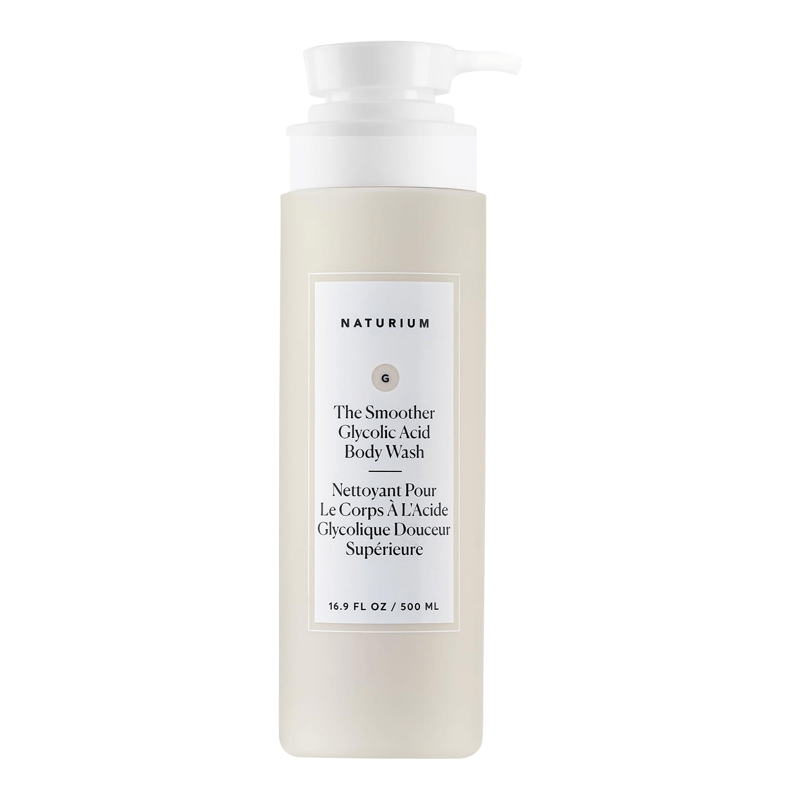
Naturium The Smoother Glycolic Acid Body Wash is a creamy, fragrance-free wash with 5% glycolic acid plus lactic, malic, pyruvic and tartaric acids. Massage it into your arms and legs, let it sit for a minute or two while you wash your hair, then rinse well. Because it rinses off, it’s milder than a leave-on lotion, which makes it a nice first step if your skin is touchy. At about $17 for a big 16.9-ounce bottle, it lasts a while.
After you step out, pat your skin mostly dry and get your lotion on within about five minutes. Slightly damp skin holds on to moisture better.
Lotions to smooth on after, from gentle to strong
Pick one of these, not three. Using more product or using it more often won’t speed things up, and it can leave your skin raw. They’re listed from the gentlest to the strongest, so if you’ve never treated your KP before, start near the top.
For dry skin that stings easily
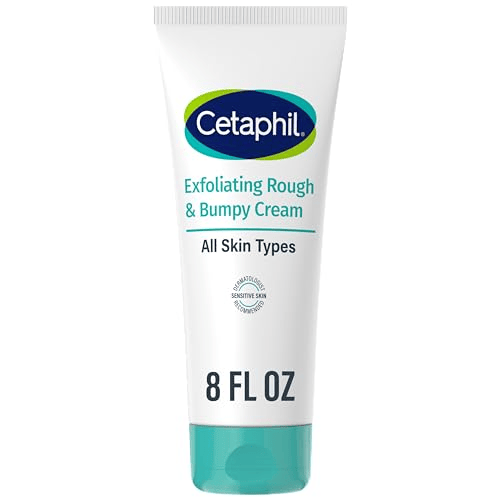
Cetaphil Rough & Bumpy Cream has 20% urea with glycerin and no fragrance, and it’s made for all skin types, sensitive included. Urea loosens the build-up and pulls water in at the same time, so it smooths without the tingle acids can bring. If your KP comes with tight, flaky skin, or acids have been too much for you before, start here. It’s about $15 for 8 ounces and fine for daily use. It does contain parabens, so skip it if you avoid them.
An everyday cream that won’t break the bank
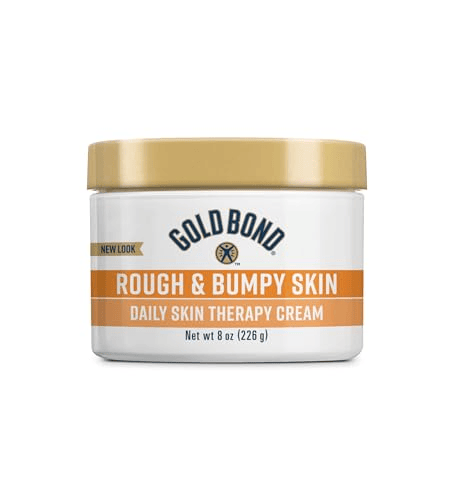
At about $12 for 8 ounces, Gold Bond Rough & Bumpy Daily Skin Therapy Cream is the most budget-friendly option here, and a great first try if you’ve never treated your bumps. It mixes three gentle exfoliants (salicylic acid, lactic acid and gluconolactone) with seven moisturizers and three vitamins, and it’s fragrance-free and hypoallergenic. It’s cheap enough to use generously on your arms, thighs and the backs of your legs once a day. Give it a few weeks to show what it can do.
A small tube for the worst patches

AmLactin KP Bumps Be Gone is a targeted cream with 15% lactic acid (as ammonium lactate), and it’s free of fragrance, dye and parabens. It comes in a small 3-ounce tube for about $16, so it makes the most sense for the spots that bug you most, like the backs of your arms, twice a day. It can sting on broken skin, so skip it right after shaving. Like any AHA, it makes skin burn more easily, so wear sunscreen while you use it and for a week after you stop.
Exfoliating and moisturizing in one bottle
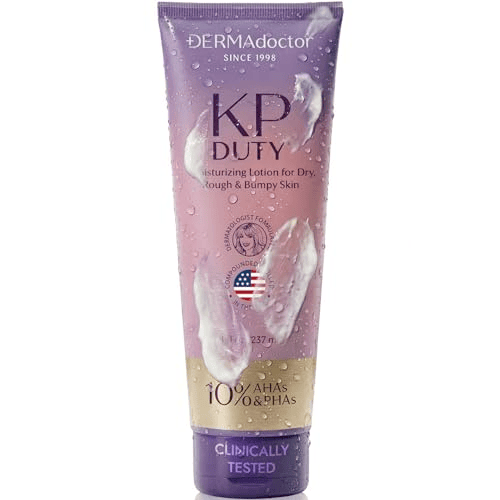
DERMAdoctor KP Duty Moisturizing Lotion exfoliates with glycolic acid, lactic acid, gluconolactone and willow bark, then moisturizes with urea, squalane and ceramides. You massage it into clean, dry skin up to twice a day, and wear SPF 30 or higher on any area that sees sun. It’s a great pick if you want one step instead of an acid plus a separate moisturizer. With this many actives, ease in slowly if your skin reacts easily. It’s about $26 for 8 ounces.
A light lotion for sticky summer days
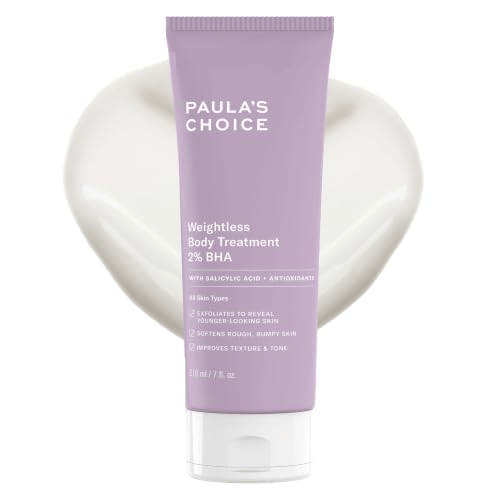
If thick creams feel awful when it’s humid out, Paula’s Choice Weightless Body Treatment 2% BHA sinks in fast. It’s a light lotion with 2% salicylic acid and antioxidants, made to soften rough skin and clogged-looking pores on the arms and legs. Salicylic acid works inside the pore, so it’s especially good when your bumps look clogged rather than only dry. In winter you may want a plain moisturizer over it. It’s about $35 for 7 ounces.
The strongest option for stubborn bumps
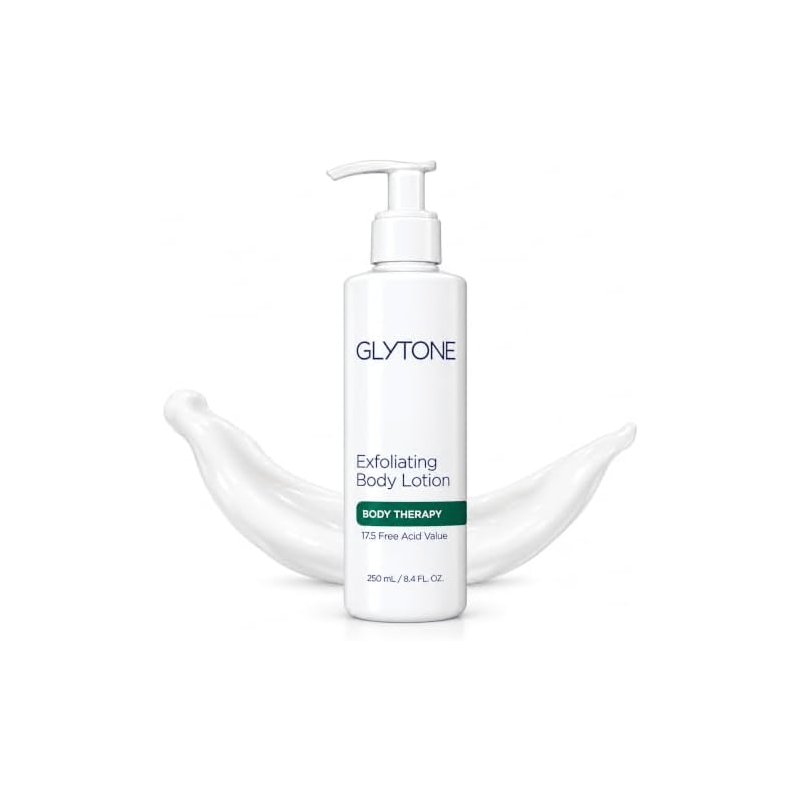
Glytone Exfoliating Body Lotion is the one to reach for when gentler creams haven’t done enough after a couple of months. It has 17.5% free acid value glycolic acid, which is strong, plus petrolatum and allantoin to keep skin soft, and no fragrance. Start every other night and work up from there if your skin is happy. Keep it off your face, and don’t use it right after shaving or hair removal. Skip the acid body wash on the nights you use this one. It’s about $38.
Keeping the results going
Acids can dry your skin, and dry skin makes KP easier to see. On nights you skip your treatment, or anytime your skin feels tight, use a plain, thick moisturizer. A humidifier in the bedroom helps a lot in winter too. Any acid-treated skin that sees the sun needs sunscreen.
If a product stings or your skin starts peeling, stop for a few days, then come back to it less often. Pairing a rinse-off wash with one leave-on lotion is fine, but two leave-on acids at once is how skin ends up raw. Our list of signs you’re over-exfoliating can tell you if you’ve gone too far.
Once your skin is smooth, usually after four to six weeks, you can often cut back to a few times a week to keep it that way. Shaving and waxing can bring on more bumps, and self-tanner tends to settle into them and make them stand out. Our guide to shaving without razor burn helps with the first part. Body-strength acids are usually too strong for the face, so if your KP shows up on your cheeks, talk to a dermatologist before using anything from this list there.
When a dermatologist can help
See a board-certified dermatologist if the bumps haven’t improved after four to six weeks of steady use, if they’re very red or itchy, or if you’re not sure it’s KP at all. Bumps that hurt, fill with pus or spread may be something else, like acne or a skin infection. A dermatologist can prescribe a stronger exfoliating cream or a retinoid, or a short course of a steroid cream to calm redness. Lasers are another option when creams fall short.
Pick one exfoliating product, give it six weeks, skip the scrubbing and keep moisturizing. You’re aiming for smoother, not perfect, and that’s a goal you can reach. More on bumps, texture and body care is in our skin archive.


