
It’s cold out, the heat is cranked inside, and you’ve washed your hands six times since lunch. By the time you’re folding laundry that night, your knuckles feel tight and the skin catches on every sweater. Sound familiar? A hand mask is a cozy little fix for that feeling. It’s either a pair of gloves filled with thick cream or a rich cream you sleep in under cotton gloves, and either way your hands come out noticeably softer.
Masks are a treat on top of good daily habits, not a replacement for them. Below you’ll find why hands get so dry, how to get the most from a mask, five favorites from about $4 to about $36, and when dry hands need a doctor.
Why your hands dry out so fast
The skin on the backs of your hands is thin and has fewer oil glands than your face, so it loses moisture quickly. Every wash strips away a little of the natural oil that keeps skin soft, and hot water and harsh soaps strip more. Hand sanitizer adds to it, since alcohol dries the skin as it evaporates. Our hand sanitizer guide explains why.
Winter makes all of this worse. Cold, dry air outside and indoor heating pull water out of your skin, and that’s when you start to see rough patches, tiny cracks around the knuckles and peeling around your nails. Washing dishes without gloves, cleaning products and jobs that keep your hands wet all day pile on even more.
Getting the most from a mask
Start with clean hands. Wash with lukewarm water and a gentle soap, then pat dry, leaving them a touch damp. Glove masks are ready to go, so you slip them on and relax for the time on the package, usually about 10 minutes. When you take them off, massage any leftover cream into your hands and cuticles instead of rinsing it away.
For a deeper overnight treatment, the American Academy of Dermatology suggests soaking your hands in warm water for a few minutes, sealing in a thick cream or ointment, then sleeping in cotton gloves. The gloves keep the cream on your skin instead of your pillowcase, and you’ll wake up to hands that feel brand new. Once or twice a week is usually plenty, and you can mask more often when your hands are especially rough.
Glove masks for a quick ten minutes
These come pre-filled with cream, so there’s no mess. Slip them on while you watch a show or scroll your phone.
A fragrance-free first try
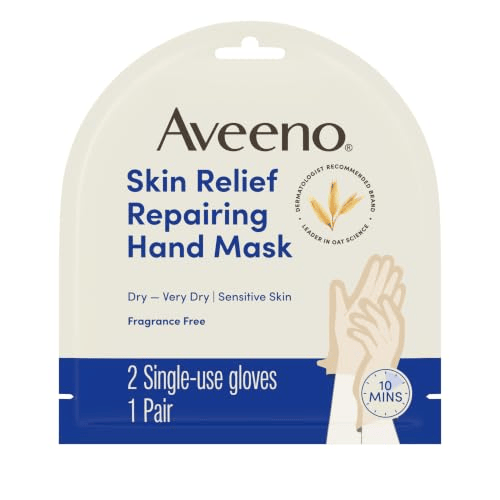
Aveeno Skin Relief Repairing Hand Mask is a single pair of gloves filled with a shea butter and oat cream. It’s fragrance-free, which makes it the place to start if scented hand products sting. Wear the gloves for about 10 minutes, then rub in what’s left, no rinsing needed. At about $4 a pair, it’s an easy way to see whether you like masking at all.
A rose-scented spa night at home
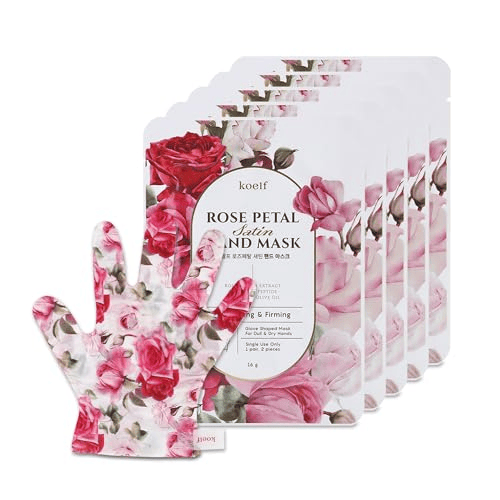
Koelf Rose Petal Satin Hand Mask is a Korean glove mask with shea butter, ceramide, olive oil and panthenol in a creamy, silky formula. The soft rose scent makes it feel like a little spa night, and the gloves work with touch screens, so you can text while you wait. That scent does make it a better fit for skin that isn’t sensitive. It’s about $15 for five pairs.
A box to keep in the drawer all winter
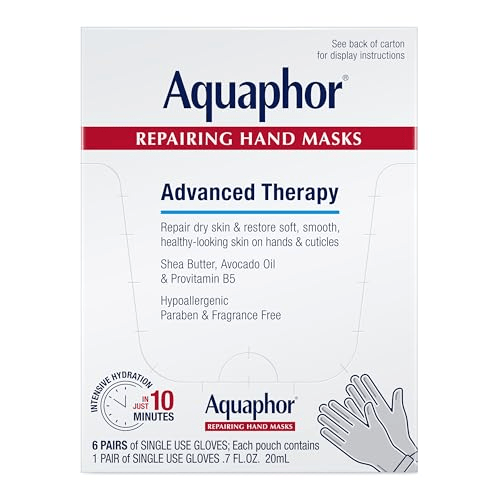
If you plan to mask once or twice a week through the cold months, Aquaphor Advanced Therapy Repairing Hand Masks are worth stocking up on. They use avocado oil and shea butter plus glycerin and panthenol, all ingredients that soften and comfort dry skin, and they’re fragrance-free. Leave them on for at least 10 minutes and massage in the extra afterward. It’s about $36 for six pairs.
Overnight masking with cream and gloves
This is the budget-friendly route, and it lasts much longer than a box of single-use gloves. Cream goes on first, then the gloves.
A thick cream for cracked knuckles
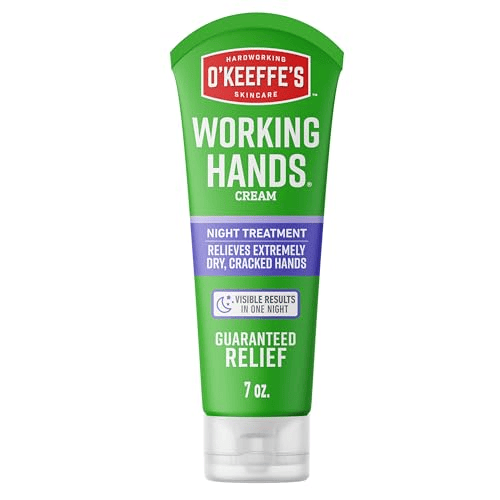
O’Keeffe’s Working Hands Night Treatment is a hand cream made for bedtime. It’s unscented and made for very dry, cracked hands, the kind you get from washing dishes, gardening or a long winter. Smooth a thick layer over your hands at night, paying extra attention to knuckles and cuticles, and it turns into an overnight mask under gloves. One 7-ounce tube for about $15 lasts a long time.
Cotton gloves to sleep in

Cottonnerie Basics Cotton Gloves are plain 100% cotton gloves that turn any hand cream into an overnight mask. Cotton breathes, so your hands won’t get sweaty, and the gloves keep the cream where it belongs instead of on your sheets. They’re washable and reusable, and they come in small, medium and large. It’s about $10 for four pairs.
Daily habits that do the heavy lifting
A mask gives your hands a boost, but what you do every day matters more. The AAD suggests putting hand cream on after every wash, while your skin is still damp, so it can trap that water in. Keep a tube by every sink and in your bag so it’s easy to remember. Thicker creams and ointments in a tube or tub tend to work better than thin lotions in a pump. Our hand cream picks cover the daytime side.
Wear gloves outside when it’s cold and dry, and slip on rubber gloves for dishes and cleaning. Use lukewarm water instead of hot, and choose a mild, fragrance-free soap. If you use sanitizer often, follow it with hand cream once it dries.
When dry hands need a dermatologist
Most dry hands get better within a couple of weeks of steady care. See a board-certified dermatologist if your hands crack and bleed, itch a lot, blister, or don’t improve with regular moisturizing. Hand eczema and allergic reactions to things like gloves, soaps or fragrance can look a lot like plain dry skin, and they often need a prescription cream to calm down. Signs of infection, like redness that spreads, warmth, swelling or pus around a crack, are worth a prompt visit too.
Until then, keep cream by the sink, gloves by the door, and a mask ready for those nights your hands need a little extra love.


