
The biggest bacne myth is that you can scrub it into submission. I get why that sounds tempting, especially when your back feels bumpy and annoying, but scrubbing is one of the fastest ways to make angry skin even crankier.
The AAD’s advice is much less dramatic: shower and change clothes as soon as you can after sweating, wear loose cotton or sweat-wicking workout clothes, wash them after each use, and skip anything that rubs the same spot on your back all day. That means backpacks, tight straps, rough loofahs, back brushes, and buff puffs can all work against you.
The part people miss is contact time. If you’re using an acne wash and rinsing it off like regular body wash, you’re probably not giving it enough time to do its job.
What Is Bacne and How Do You Know It's Not Something Else?
Bacne is just body acne on your back, and it can also show up on your chest, shoulders, and butt. The back has thicker skin and larger pores, so it can handle stronger acne washes than your face, but it also traps sweat, heat, and friction under clothes.
Not every bumpy back is regular acne, though. Cleveland Clinic describes fungal acne as clusters of small, itchy, red bumps that usually look alike, often on the chest, upper back, shoulders, and upper arms.
Heat, sweat, tight clothing, humidity, and antibiotics can all play a role with fungal acne, and it needs different treatment, often antifungal medication. If the bumps are itchy and super uniform, I’d stop guessing and ask a doctor before piling on acne actives.
Let a benzoyl peroxide wash sit on your back

Screenshot: CeraVe
If your back breakouts are red, inflamed, and pimple-like, benzoyl peroxide is the active I’d look at first. The AAD says it works best on the back when you let it sit for two to five minutes before rinsing, which helps it get into thicker back skin.
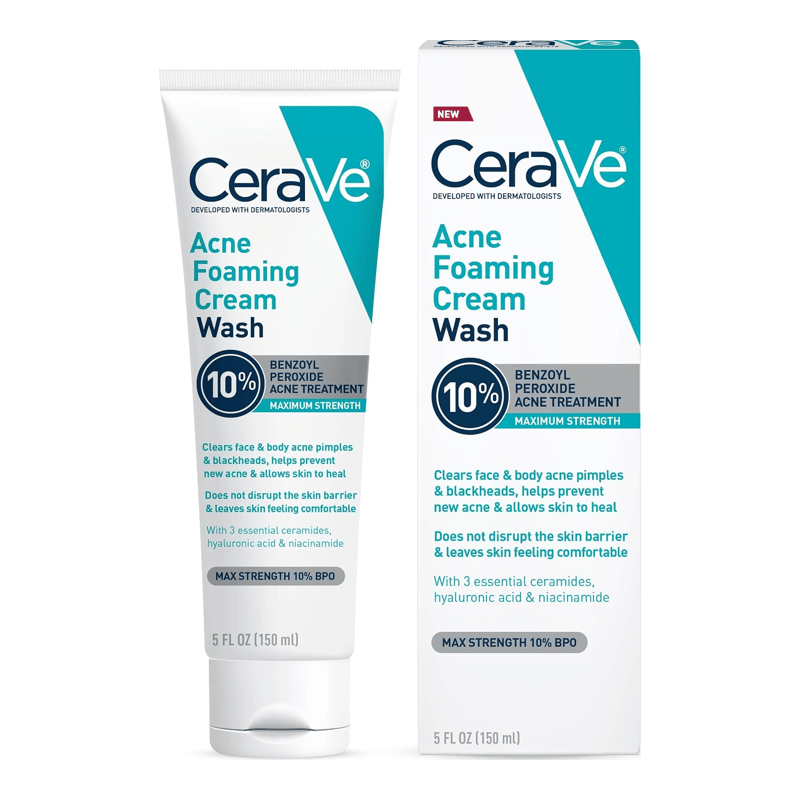
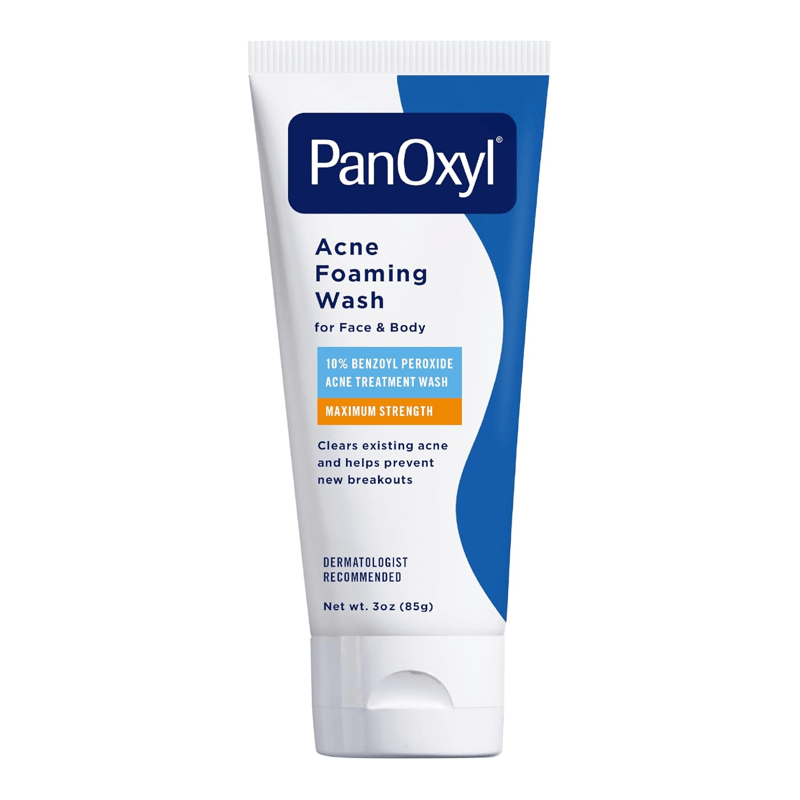
CeraVe Acne Foaming Cream Wash 10% Benzoyl Peroxide is a face-and-body wash with 10 percent benzoyl peroxide and niacinamide, so it’s a strong option that doesn’t feel like you’re using a random gym-bag cleanser. PanOxyl Acne Foaming Wash 10% Benzoyl Peroxide is the classic maximum-strength route for the face, chest, and back.
Ten percent is the strongest benzoyl peroxide you can get without a prescription, so don’t treat it like a cozy body wash. Rinse really well because benzoyl peroxide can bleach towels, sheets, and clothes. If your skin gets dry or irritated, the AAD notes that a 5.3 percent product is less likely to cause irritation, dryness, or peeling.
Salicylic acid and adapalene for clogged, bumpy skin

Screenshot: CeraVe
For rough, clogged, tiny-bump texture, salicylic acid is the cleaner move. It loosens dead skin cells instead of sanding them off, which is why I’d skip scrubs and go for a wash that does the exfoliating without the drama.
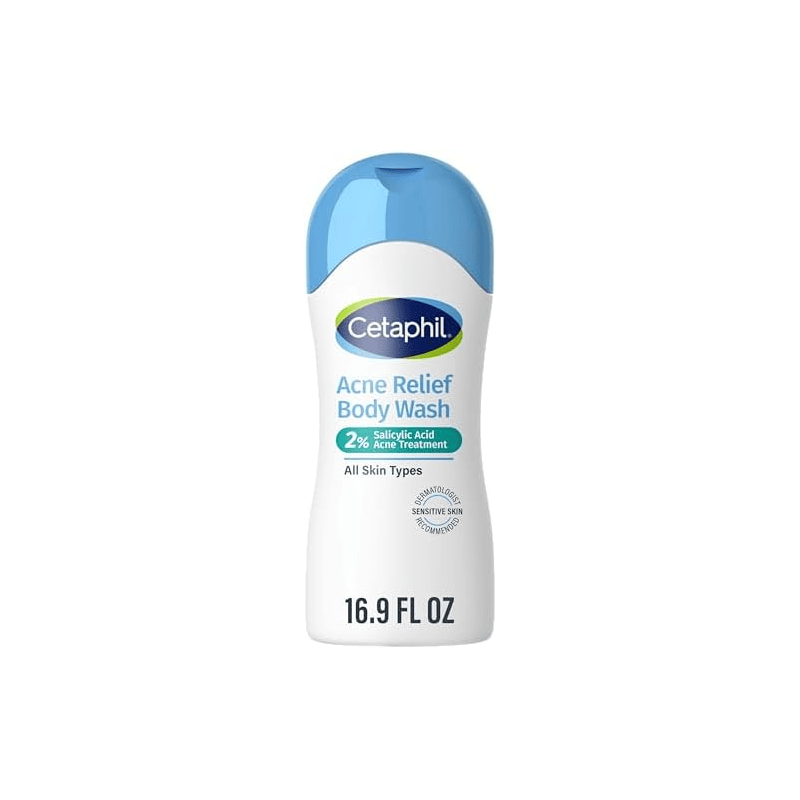
CeraVe SA Body Wash for Rough & Bumpy Skin uses salicylic acid with ceramides and hyaluronic acid, so it’s aimed at that rough, flaky, congested feel. Cetaphil Acne Relief Body Wash 2% Salicylic Acid is a fragrance-free 2 percent salicylic acid wash made for back and body acne.
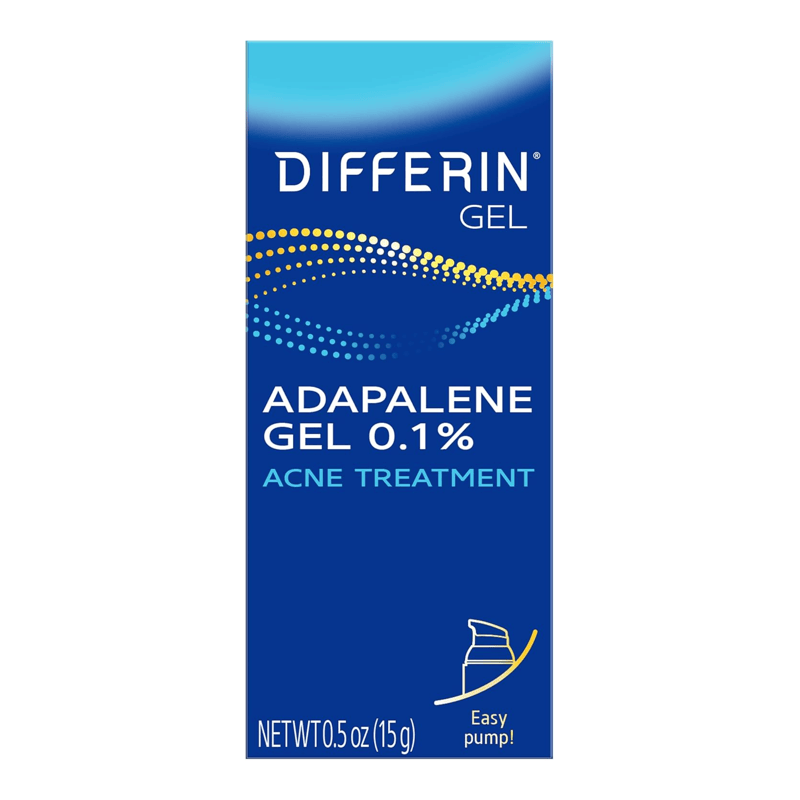
The AAD says acne-prone skin may do better with a mild chemical exfoliant than with scrubs or brushes, but don’t stack everything at once. If you’re using benzoyl peroxide or a retinoid too, alternate days so your back doesn’t end up dry, tight, and mad. For stubborn breakouts, Differin Adapalene Gel 0.1% is an over-the-counter retinoid the AAD suggests using once a day after showering or before bed, and pairing it with benzoyl peroxide can improve results.

Keep skin comfortable while the actives work

Screenshot: CeraVe
Benzoyl peroxide, salicylic acid, and adapalene can all dry out your skin, and dry back skin under clothes is a special kind of annoying. CeraVe Daily Moisturizing Lotion is a lightweight, oil-free, fragrance-free face-and-body lotion with three ceramides and hyaluronic acid, so it makes sense after a shower on your back and chest.
This is where I like a boring routine. Not boring as in bad, boring as in dependable, like a black tank, straight-leg jeans, and small silver hoops. If a low-back top or fitted workout set is on the plan, calm skin beats throwing five actives at the problem and hoping for magic.
Give the routine time before you judge it. The AAD says you can expect six to eight weeks before seeing a difference and three or four months for clearing. If nothing changes after six to eight weeks, or if the acne is deep and painful, see a dermatologist. If you’re outside, the AAD recommends a non-comedogenic, broad-spectrum, water-resistant SPF 30 on any skin your clothes won’t cover.
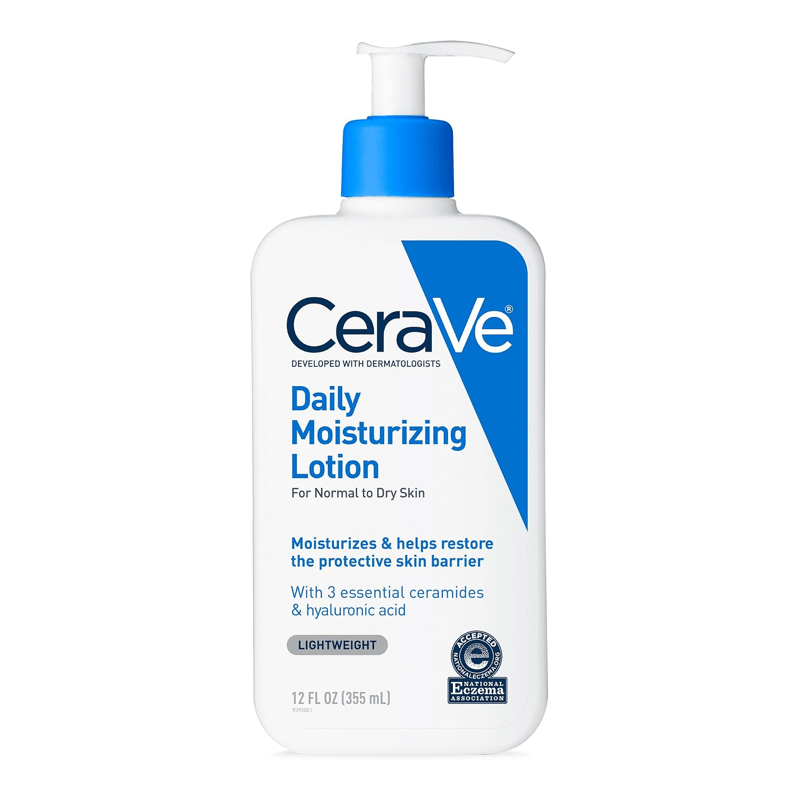
CeraVe Daily Moisturizing Lotion
An oil-free, fragrance-free face and body lotion with ceramides.
Keep it simple: cleanse after sweating, let your active wash sit, rinse well, moisturize, and don’t let sweaty clothes hang out on your skin longer than they have to.


