
Scar content has gotten louder, but skin care shopping has gotten blurrier: flat marks, rough texture and true dents keep getting shoved into the same before-and-after lane. That’s how you end up buying a brightening serum for a dip in the skin, then wondering why nothing’s changing. Before you add another bottle to the bathroom lineup, what are you actually looking at?
The quick check is very low-tech. Turn off the overhead light and let a lamp hit your cheek from the side. If the spot casts a shadow, it has depth and acts like a scar. If it mostly disappears when the light moves, you’re dealing with color.
How can you tell if acne left a mark or a scar?
A mark is flat color left behind after a breakout. Brown or gray-brown marks are post-inflammatory hyperpigmentation. Pink or red marks are post-inflammatory erythema, which comes from widened blood vessels.
A scar has a shape change. Dented, or atrophic, scars are spots where tissue was lost, so the skin sits lower than the skin around it. That’s why they catch side light and cast a shadow.
Texture sits somewhere else in the conversation. Roughness, clogged-looking areas, and uneven makeup grab are surface issues, not necessarily true scars. They can look dramatic in bad bathroom lighting, which is rude but common.
For the lamp test, side light is your friend. Move the light around and watch what changes. Color shifts with the light. Depth stays visible because the skin is actually dipped or raised.
Serums fade marks, not dents
View this post on Instagram
@dannyguo.md / Instagram
Dr. Danny Guo (@dannyguo.md), a board-certified dermatologist in Canada, keeps this distinction simple: azelaic acid can help fade red and brown acne marks, but true acne scars need procedures. I’d treat that like the shopping filter for your whole routine. Flat spot? Serum can help. Dip in the skin? Don’t expect a bottle to refill it.
The AAD says azelaic acid fights acne and can fade the dark spots left when acne clears. Flat brown spots a few shades darker than your skin often fade within 6 to 12 months, while deeper color can take years. A review in the Journal of Clinical and Aesthetic Dermatology describes red marks as coming from dilated tiny blood vessels, and notes they tend to stick around more in fair skin, while brown marks are more common in darker skin.
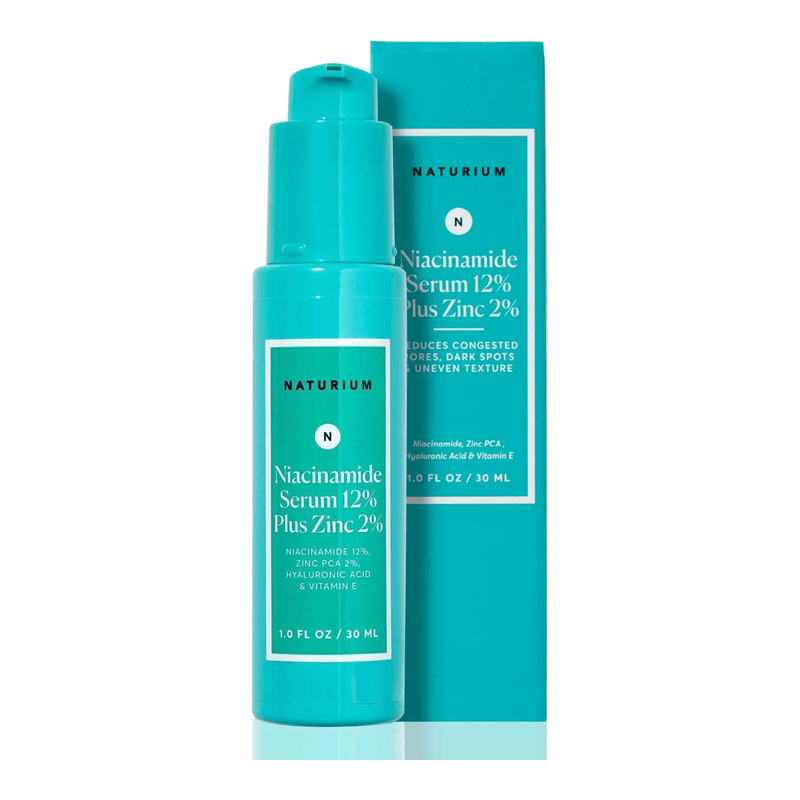
Paula’s Choice 10% Azelaic Acid Booster is a lightweight cream gel for marks and breakouts, and Naturium Niacinamide Serum 12% Plus Zinc 2% is an easy add-on for uneven-looking tone. The fair warning: neither one is going to lift a dent, no matter how consistent you are.

Clear the acne first, then treat the scars
View this post on Instagram
@dr.ugonabo / Instagram
Dr. Nkem Ugonabo (@dr.ugonabo), a board-certified dermatologist, puts the order in the right place: get active acne under control first so new scars don’t keep forming, then treat existing scarring. In the example from the outline, that meant moving to a fractionated laser after the breakouts were managed.
The AAD says stopping breakouts helps prevent new acne scars, and scar treatment usually starts once acne is under control. If your acne keeps coming back and leaving marks, I’d book a dermatologist appointment before buying another scar product. It’s not the fun answer, but it saves you from treating yesterday’s damage while today’s breakout is making more.
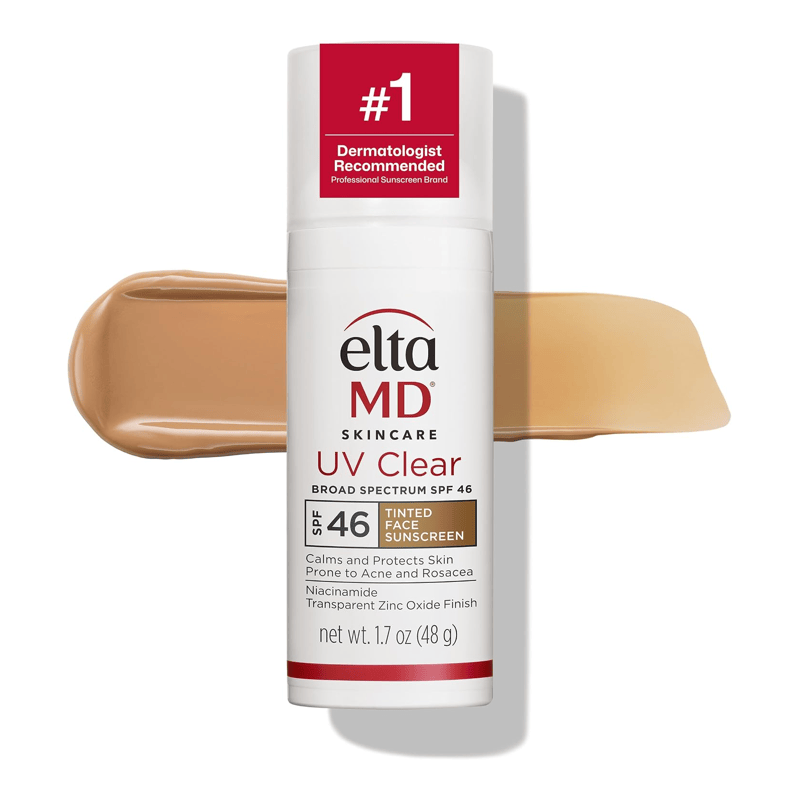
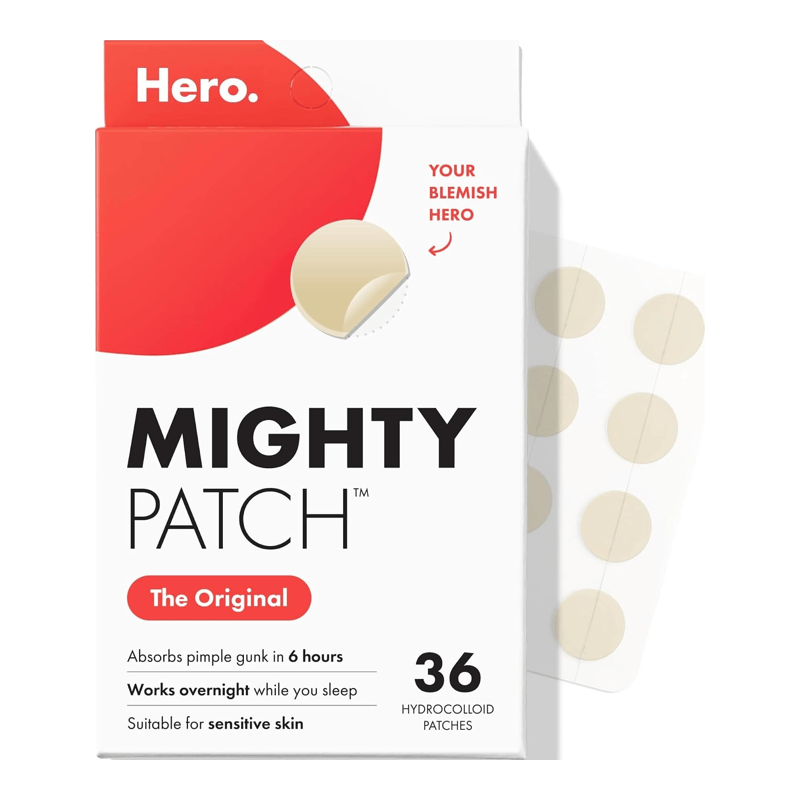
Sunscreen is the daily non-negotiable for dark spots. The AAD recommends tinted sunscreen with iron oxide because it helps protect against visible light, and EltaMD UV Clear Tinted SPF 46 is a zinc oxide option made with acne-prone skin in mind. While a spot heals, Hero Cosmetics Mighty Patch Original can keep your fingers off it, which matters because squeezing or picking raises the risk of scarring.
A retinoid for texture, given months
View this post on Instagram
@exuviance / Instagram
Exuviance (@exuviance) positions Exuviance Age Reverse+ Advanced Renewal Retinol Serum as an overnight retinol step for smoother-looking skin. I think retinoids are where a lot of people get impatient, because texture doesn’t smooth out in a few nights. It needs time, and your skin needs a calmer setup around it.
The AAD says that for mild acne scarring, a retinoid or salicylic acid can make scarring less noticeable. That doesn’t mean a retinoid fills in a deep dent. It’s better for texture, uneven-looking skin, and the kind of roughness that catches makeup in annoying little patches.
Retinoids can cause dryness and irritation, so start a few nights a week and cushion the routine with moisturizer. La Roche-Posay Toleriane Double Repair Face Moisturizer has ceramides and niacinamide, and it works morning and night. The AAD also advises sun protection with retinoids, and you should skip retinoids if you’re pregnant or trying to get pregnant unless your doctor says otherwise.


Dented scars need an in-office treatment
View this post on Instagram
@dermalogica / Instagram
Dermalogica (@dermalogica) features @youngcouture_ getting microneedling for acne scars, which is the category to pay attention to if side light shows shadows. Dented scars are a structure issue, not just leftover color. That’s why the usual mark-fading routine can look like it’s doing nothing.
The AAD lists laser resurfacing, microneedling, chemical peels, fillers, and minor surgery that removes or lifts a scar among acne scar treatments. Which one fits depends on the scar, your skin, and your provider’s plan. I’d book a consultation with a board-certified dermatologist instead of buying a device online and hoping for the best.
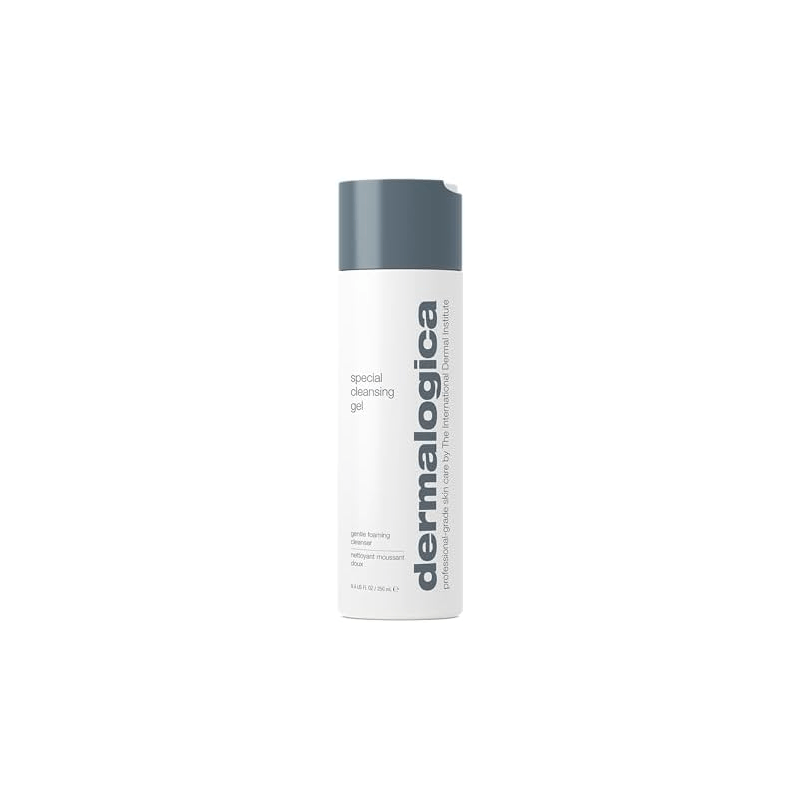
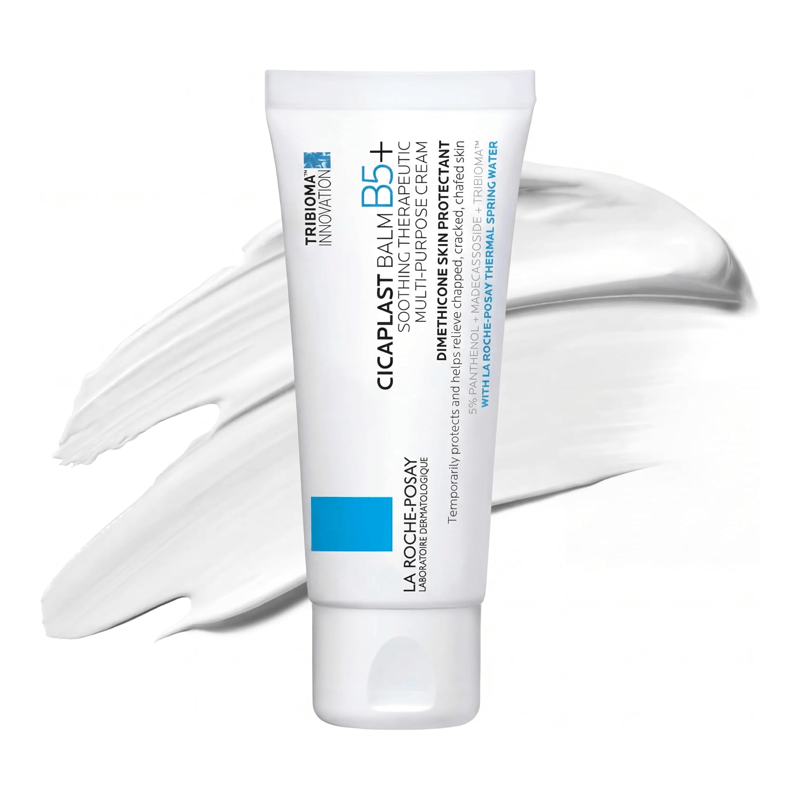
After a procedure, follow your provider’s aftercare exactly and ask before adding anything new. Dermalogica Special Cleansing Gel is a soap-free foaming gel cleanser for the gentle-cleanse side of the routine, while La Roche-Posay Cicaplast Balm B5 is a soothing balm for dry, irritated skin.
Deeper skin tones and lasers
View this post on Instagram
@drrachelho / Instagram
Dr. Rachel Ho (@drrachelho), an aesthetic doctor in Singapore, explains that pico laser lightens dark spots through a photoacoustic effect with less heat, which she uses to lower the risk of rebound pigment in darker skin. The key point for you: darker skin can need a more careful laser plan, not a more aggressive one.
The AAD says darker skin is more prone to burns and dark marks after laser treatment, and recommends working with a board-certified dermatologist who has experience treating darker skin with lasers. Small studies and reviews describe picosecond lasers as having a favorable safety profile across a range of skin types, but large trials in the deepest skin tones are still limited. Ask how many patients with your skin tone they’ve treated.
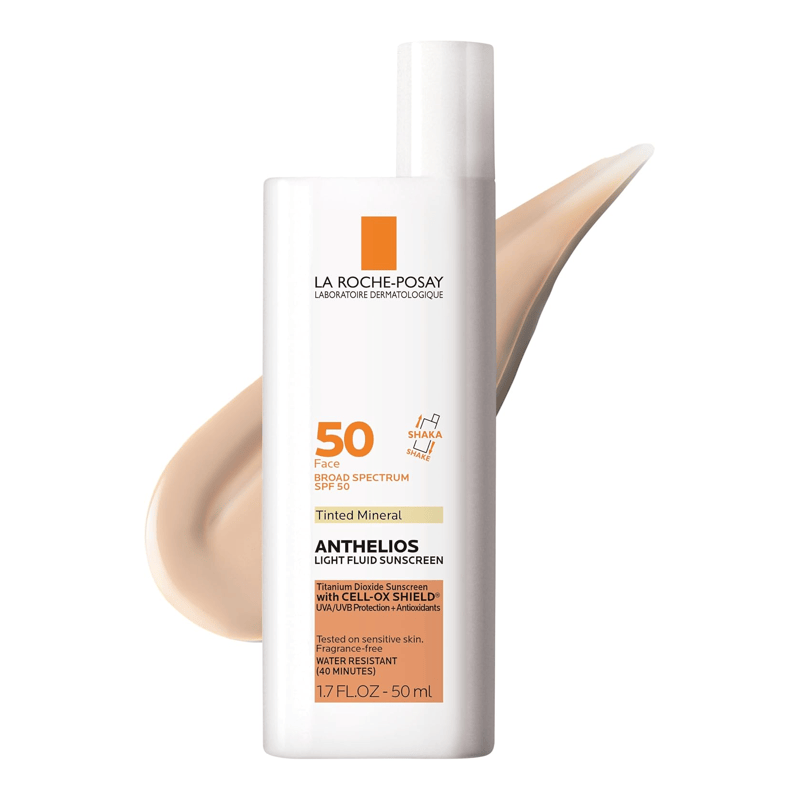
Raised scars are a separate lane again. The AAD says a keloid grows larger than the original breakout, while a hypertrophic scar is raised and firm. Get any raised lump that keeps growing checked by a doctor. If I had to choose one daily habit from all of this, tinted sunscreen is the one: La Roche-Posay Anthelios Tinted Mineral Sunscreen SPF 50 protects freshly treated skin, and I like the idea of it under soft neutral makeup with a black sweater and small silver hoops.
The smartest scar routine starts before you buy anything: check the light, name the problem, then treat that problem instead of the whole category. Your skin isn’t being difficult, it may just be asking for a different plan.


