
You’re twisting in front of the bathroom mirror trying to get a look at your back, and there it is. A brown bump that looks like someone dripped candle wax on you and it stuck. Or maybe your partner points one out at the pool. Either way, your stomach drops a little. Take a breath. A waxy, stuck-on spot like that is very likely a seborrheic keratosis, or SK, and SKs are harmless.
They aren’t cancer, they don’t turn into cancer, and you can’t catch them. They often start in your 30s or 40s and slowly add up with age. You can leave them alone or have a dermatologist remove the ones that bug you. What you shouldn’t do is pick one off yourself, and any spot that grows fast, bleeds or looks unlike the rest needs a doctor’s eyes.
What an SK looks like
An SK usually starts as a small, rough bump and slowly gets thicker. The classic one looks waxy and stuck on, like it’s sitting on top of your skin rather than growing out of it. Some are flat and smooth, some warty and crumbly. They can be a fraction of an inch or bigger than a half-dollar. Most are tan or brown, but they range from white to black.
They show up on the chest, back, stomach, scalp, face and neck, anywhere except the palms and soles. You might have one, or dozens. They don’t hurt, though some itch, and one that rubs against a bra band or waistband can turn red, crusty and sore.
On deeper skin tones, SKs tend to be small and dark, often around the eyes. One type, called dermatosis papulosa nigra, looks like lots of tiny dark bumps on the face and neck, and it’s more common in people with darker skin.
The name is a little misleading. “Seborrheic” sounds like oil, but these spots have nothing to do with oily skin, so washing them more does nothing.
Why you get them
Nobody knows exactly, but a few things are clear.
- Age. They’re rare before 20, usually start in your 30s or 40s, and keep adding up. DermNet, a New Zealand skin reference, estimates that over 90% of adults over 60 have at least one.
- Family. They run in families, and some people inherit a tendency to get a lot.
- Hormones, sometimes. Some people first notice them during pregnancy or after estrogen therapy.
- Sun, maybe. They seem to grow more on skin that’s had a lot of sun, but they also show up on skin that’s always covered, so sun isn’t the whole story.
No virus causes them, and they don’t spread. It can look like they are spreading, but you’re just getting more over time.
SK, mole, wart or something to worry about?
| Spot | What it usually looks like | What it is |
| Seborrheic keratosis | Waxy, scaly or warty, “stuck on”, tan to black | A harmless growth on the skin’s surface; not contagious |
| Wart | Raised and rough; often on hands, feet or face | Caused by a virus (HPV); can spread by contact |
| Mole | A brown, tan or black spot, usually flat or smooth rather than waxy | Watch it with the ABCDEs below |
| Actinic keratosis | Dry, flat, rough and scaly | A pre-cancerous growth that can progress to a type of skin cancer; needs a dermatologist |
| Skin cancer | A spot that changes, bleeds, looks unlike the others | Needs a dermatologist |
Some SKs can look a lot like skin cancer, including melanoma, and that’s why they’re worth having checked once. A dermatologist can usually tell by looking, often through a lighted magnifier called a dermatoscope. If there’s any doubt, they’ll remove it and check it under a microscope, which is the only way to be sure.
For moles and brown spots, the American Academy of Dermatology’s ABCDEs are the standard checklist.
- Asymmetry. One half doesn’t match the other.
- Border. Uneven, scalloped or blurry.
- Color. Changes across the spot, with shades of tan, brown or black, or patches of white, red or blue.
- Diameter. Melanomas are usually bigger than a pencil eraser when found, though they can be smaller.
- Evolving. Looks different from the rest, or is changing in size, shape or color.
An SK can tick some of these boxes, especially color, so get new spots looked at. If your brown spots are flat and you can’t tell what they are, our guide to freckles, sun spots, age spots and melasma can help sort them out.
SK growths a dermatologist should see
See a board-certified dermatologist if a growth:
- Grows fast, turns black, itches or bleeds
- Shows up suddenly along with lots of other new growths
- Looks different from your other SKs
- Looks dry, flat, rough and scaly, which could be an actinic keratosis
- Gets irritated easily by shaving or clothes
- Bothers you and you’d like it gone
That second one deserves a word. Very rarely, a sudden burst of many SKs can be a sign of cancer somewhere else in the body. One or two new ones in a year isn’t that. A whole crop in a few weeks is worth an appointment.
Why you shouldn’t pick, cut or freeze one at home
An SK can look like it might lift right off with a fingernail. Don’t try. Removing one yourself risks infection, bleeding and a scar.
Worse, if the spot wasn’t an SK, the evidence is gone, and whatever it was can keep growing. Drugstore freezing kits are made for warts, and an SK isn’t a wart. Only a doctor should freeze, scrape or burn a spot nobody has checked.
How dermatologists remove them
SKs are harmless, so they don’t need to come off. A dermatologist may remove one that looks like skin cancer, catches on clothes or jewelry, gets irritated easily, or just bothers you. The main ways:
- Freezing. Liquid nitrogen, put on with a swab or spray, freezes the growth. It usually falls off within days. Sometimes a blister forms under it and dries into a crust that falls off too.
- Burning and scraping. The area is numbed. An electric current destroys the growth, and a small scoop-shaped tool scrapes it away. No stitches, maybe a little bleeding.
- Shaving. If a growth might be skin cancer, it’s usually shaved or scraped off so it can be checked under a microscope.
- Other options. Some dermatologists use a laser or a small, targeted chemical peel for certain spots.
Afterward, the skin can be lighter than the skin around it. That usually fades, but sometimes it’s permanent, and it’s a bigger worry on deeper skin. Ask about it before treatment, especially for spots on your face, and ask which method keeps that risk low. Most removed SKs don’t come back, though new ones can pop up elsewhere if you’re prone to them.
Removing one just for looks is usually seen as cosmetic, so insurance rarely pays. Ask the price ahead of time, and whether it’s per spot.
Caring for the ones you keep
Keeping your SKs is completely fine. The goal is to keep them from getting irritated and to protect the skin around them. Scrubs, acids and exfoliating brushes won’t get rid of an SK, and they can make one red and sore, so gentle is the rule.
A mild bar for gentle washing

Dove Sensitive Skin Beauty Bar is free of fragrance and parabens, hypoallergenic, and made for face, body and hands. Lather it in your palms and wash with your fingertips instead of a loofah or scrub brush that can catch on a raised spot. It’s about $9 for a pack of eight bars, so it lasts a good long while.
A plain cream for itchy, dry patches
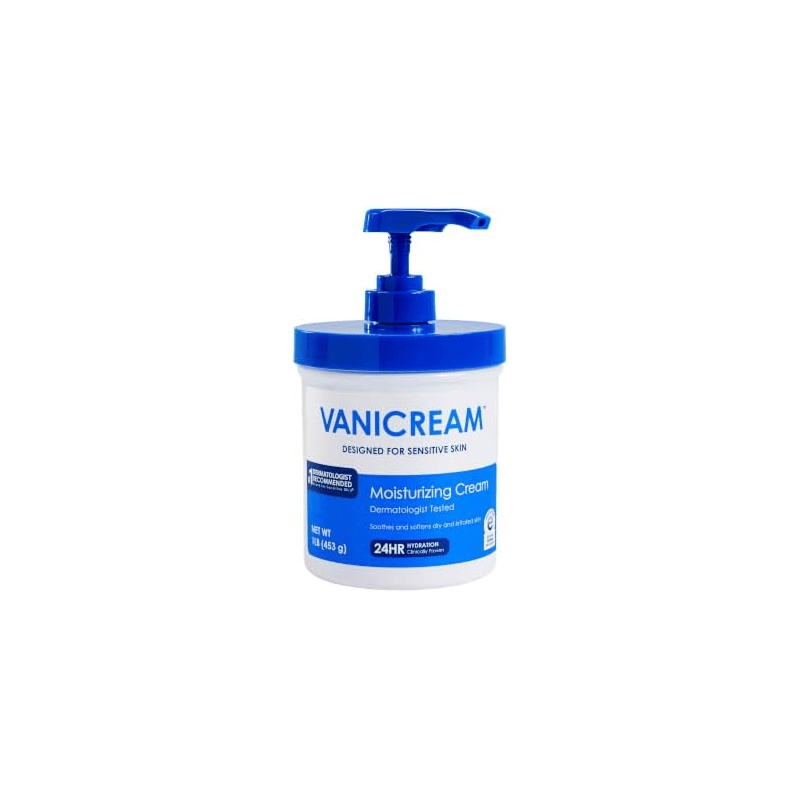
If an SK itches, a plain moisturizer can calm the dry skin around it. Vanicream Moisturizing Cream has no fragrance, dyes, lanolin, parabens or plant extracts, and it won’t clog pores. It carries the National Eczema Association Seal of Acceptance and is made for dry, itchy, sensitive skin. Smooth it on after a shower while your skin is still a little damp. It’s about $14 for a 16-ounce pump.
A sunscreen stick for no-rub coverage
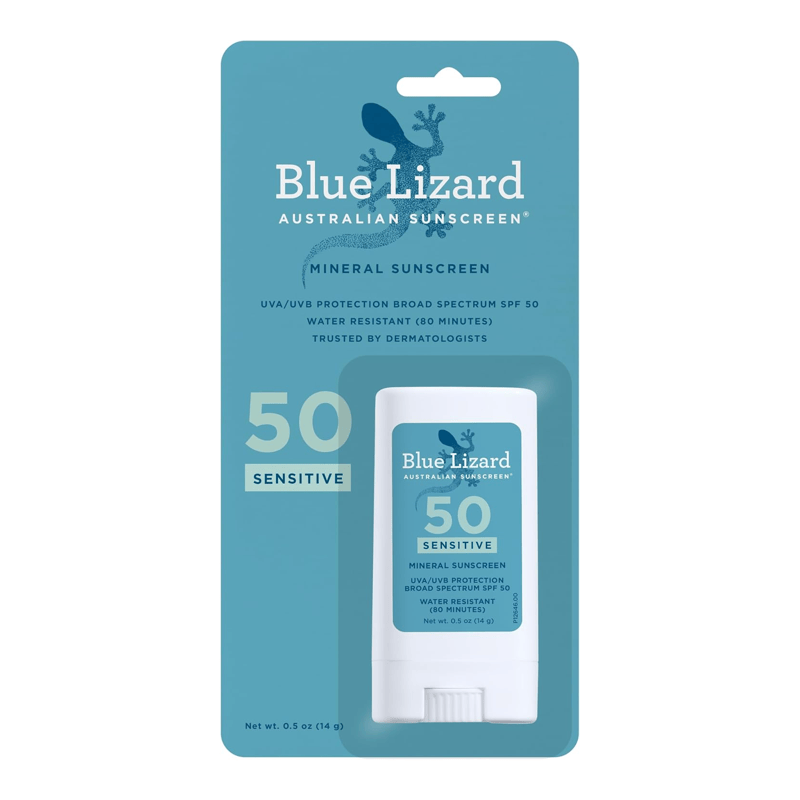
Nobody knows how to prevent SKs, but sunscreen protects the rest of your skin, and that makes new or changing spots easier to notice. Blue Lizard Sensitive Mineral Sunscreen Stick SPF 50+ is broad spectrum with 20% zinc oxide and no fragrance. A stick is quick on the face, ears, neck and hands, and you can glide it over raised spots without rubbing. Reapply at least every two hours, and after 80 minutes of swimming or sweating. It’s about $9.
Shave carefully around any SKs on your legs or underarms. If one keeps snagging on a razor or a bra strap, that’s a fair reason to have it removed. For another common adult growth, see our post on skin tags.
Cancer risk, removal costs and new spots
Can a seborrheic keratosis turn into cancer? No. SKs aren’t pre-cancer, but a skin cancer can look like one, so new or changing spots should get checked.
Do seborrheic keratoses go away on their own? Rarely. Most stay for good, and new ones tend to appear as you get older.
Does insurance cover seborrheic keratosis removal? Often not, since removal is usually considered cosmetic. Coverage is more likely if a spot is irritated, bleeding or needs a biopsy, so check with your plan first.
Can you get seborrheic keratoses in your 30s? Yes. They often start in your 30s or 40s and tend to run in families.
SKs are a lot like barnacles, harmless and stuck on. Leave them, or have a dermatologist remove the ones that itch, snag or bother you. Just don’t let a crowd of harmless spots make you ignore the one that’s new, changing or different. That one gets checked. For more on spots, bumps and growths, browse our skin archive.


