
Not every mark acne leaves behind is permanent. Many fade on their own, while true scars usually need treatment to improve. So which kind do you have?
The answer depends on something hardly anyone gets told. “Acne scar” isn’t one thing. There are at least four kinds, they behave differently, and a lot of what gets called scarring isn’t scarring at all. Dermatologists sort acne damage into types because the type decides what helps. Before you shop for anything, the most useful thing you can do is figure out what’s on your face, and you can do most of that with a lamp.
If it’s flat, it isn’t a scar
This is the most important thing in this whole guide. The brown, purple or red spots left after a pimple clears are, in most cases, not scars. They’re color changes in skin that’s otherwise healthy and smooth.
Brown or gray-brown marks are post-inflammatory hyperpigmentation, extra pigment your skin made in response to the inflammation. Pink or red marks are post-inflammatory erythema, which comes from widened blood vessels rather than pigment and tends to show more on lighter skin. Both are flat. Run a fingertip over one and you won’t feel a thing. Look at it with light coming from the side and it won’t cast a shadow.
That difference matters, because these marks fade on their own. It’s slow, slower than anyone wants, but it speeds up with daily sun protection, and they go away without any procedure. True dented scars don’t. If you treat a flat mark like a scar, you spend money and downtime on the wrong problem. If you treat a real scar like a mark, you might wait years for something that was never going to fade. Flat means color. Texture means scar.
Helping flat marks fade faster
While you figure out the rest, a simple routine can help discoloration fade and keep it from getting darker. Add one new product at a time, because irritation makes these marks worse, not better.
A gentle exfoliant a few nights a week
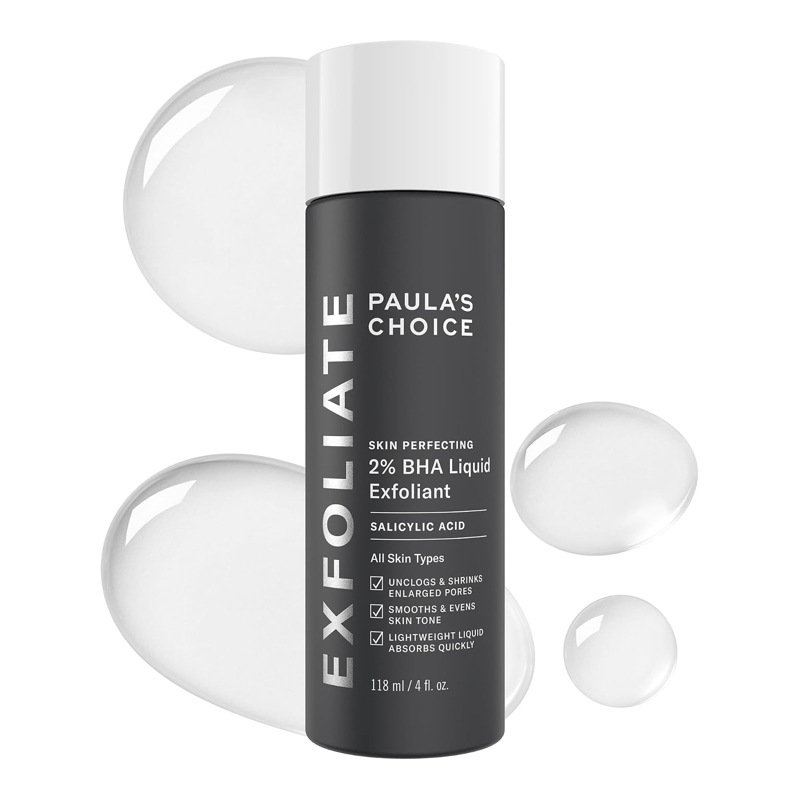
Paula’s Choice 2% BHA Liquid Exfoliant has salicylic acid, which can get into oil, so it suits acne-prone skin better than most acids. Steady, gentle exfoliation helps discolored skin turn over and keeps pores clearer at the same time. Swipe it on with a cotton pad after cleansing two or three nights a week, not every night, and not on top of every other active you own.
A calm serum for uneven tone
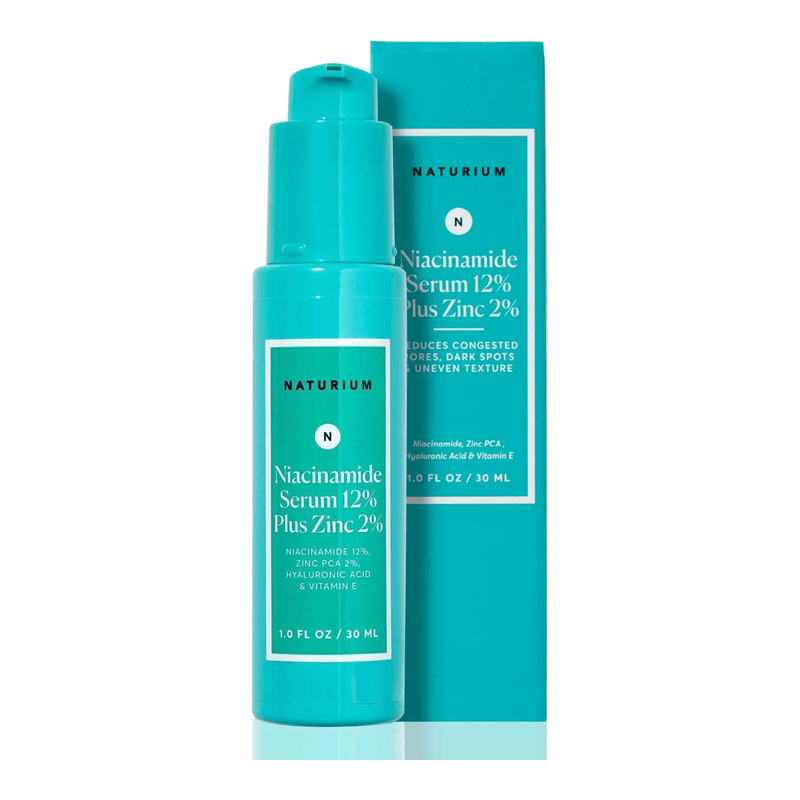
Naturium Niacinamide Serum 12% is the low-drama choice for uneven tone and barrier support. Niacinamide gets along with almost every other ingredient, and this one has a light, watery texture that layers easily. It’s a smart pick if your skin is already a little worn out from months of acne treatment.
A cream that tackles brown and red
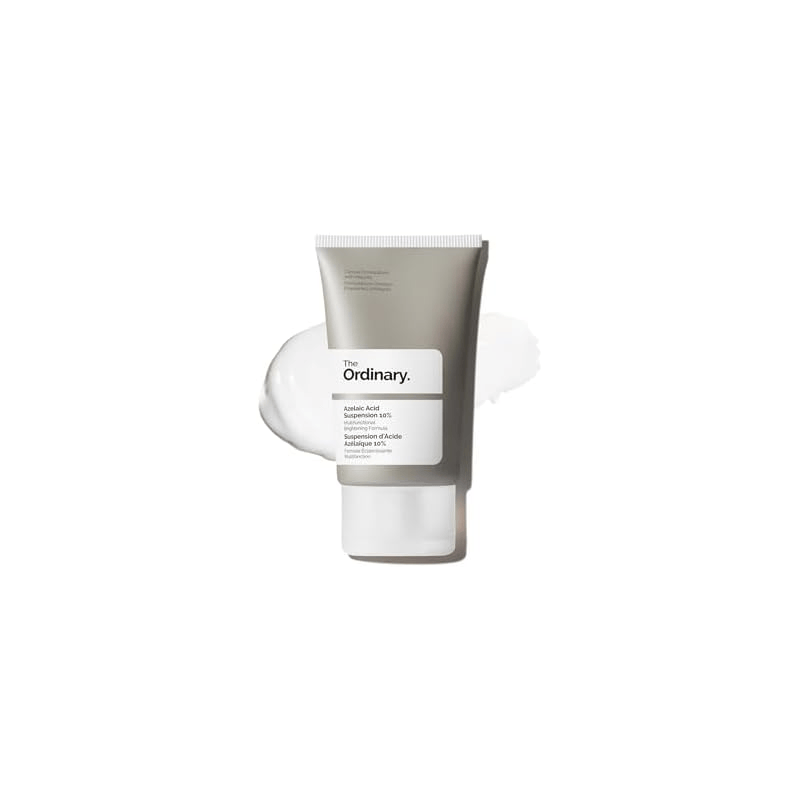
The Ordinary Azelaic Acid Suspension 10% is a rare find because azelaic acid has research behind it for both dark spots and redness, which makes it a great match for acne marks. It also helps with breakouts, so it pulls double duty. The cream has a slightly grippy, matte feel that takes a day or two to get used to. Apply a thin layer after your serum, once a day to start.
Daily sunscreen, the step that matters most
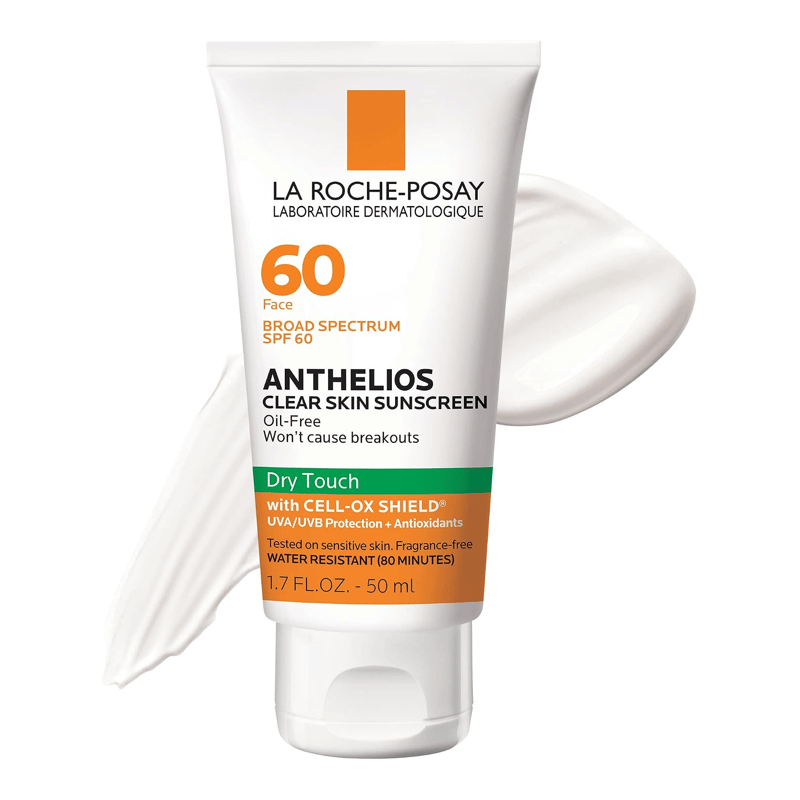
Sun exposure darkens marks and makes them stick around longer, so broad-spectrum sunscreen every morning does more for them than any serum. La Roche-Posay Anthelios UV Clear SPF 60 is made for acne-prone skin. It’s light, dries down without a greasy feel and sits nicely under makeup. Use about two finger-lengths for your face and neck, and reapply if you’re outside for a while.
The three kinds of dented scars
Dented scars, which dermatologists call atrophic scars, happen when collagen is lost during inflammation and the skin heals a little short, leaving a dip. They come in three shapes, and the shape gives you a clue about how deep the damage goes.
Ice pick scars are narrow and deep. They’re usually under about two millimeters wide at the surface, with steep, sharp edges, and they taper down like a tiny puncture. From arm’s length they look like an enlarged pore that never clears. They’re the hardest of the three to improve because they’re deeper than they are wide, and nothing that works on the surface reaches the bottom.
Boxcar scars are wider, round or oval, with clear, nearly straight walls and a flat bottom. Think of a chickenpox mark. The crisp edge is the giveaway. They can be shallow or fairly deep and often show up on the cheeks and temples.
Rolling scars are broad and soft-edged with no clear rim. They make the skin look wavy rather than pitted. Bands of tissue underneath tug the skin down, and that’s why they change so much with lighting and when you gently stretch the skin.
Mixed scarring is the norm. One cheek can carry all three.
How to tell them apart at home
You need two things: a light you can move, and your own hands. Both beat the bathroom mirror.
Turn off the overhead light. Bathroom lights shine from above or straight on, which fills in every dip and hides the shadows that show texture. It’s flattering, which is the point, but it won’t help here.
Use side light instead. Grab a lamp, or stand next to a window so the light comes across your face rather than at it. Dips start casting shadows, and those shadows tell you a lot. Ice pick scars look like small, dark dots. Boxcar scars show a shadow with a sharp edge, one wall lit and the other dark. Rolling scars show soft, broad shading that shifts as you turn your head.
Then try the stretch test. Put two fingers on either side of the area and gently pull the skin taut. Rolling scars change the most and sometimes almost disappear, because stretching pulls against the bands holding them down. Boxcar scars soften a little but keep their walls. Ice pick scars barely change. Skip this over active breakouts, and don’t pull hard enough to make your skin red.
And don’t judge from a selfie. The front camera is a wide lens held close, which distorts your face, and its flash shines straight into every dip and cancels the shadows. Add the automatic smoothing, and the photo either hides texture or invents it. If you want pictures for an appointment, use the back camera in side light, with no flash.
One more tip. Skin that’s still breaking out looks much rougher than it will once things calm down, so try not to size up the damage in the middle of a flare. If you’re not even sure it’s acne, our piece on purging versus breaking out is a helpful first stop.
Raised scars need a different plan
Everything above is about skin that healed short. Some skin does the opposite and makes too much collagen while healing, leaving a scar that sits above the surface.
Hypertrophic scars are firm and raised but stay within the area of the original pimple. Keloids grow past it, spreading into skin that was never hurt, and can keep growing long after the acne is gone. Both are much more common on the jawline, chest, shoulders and back than on the cheeks, and more common in people with deeper skin tones or a family history of them. Keloids can itch, sting or feel tender, which dented scars usually don’t.
Dermatologists usually treat raised scars with silicone, pressure and in-office steroid injections. Some of the aggressive resurfacing used on dented scars can backfire on keloid-prone skin, because the injury itself can trigger more scarring. That’s a big reason getting the type right matters. A firm bump that’s growing, painful or changing should be checked by a doctor rather than assumed to be a scar.
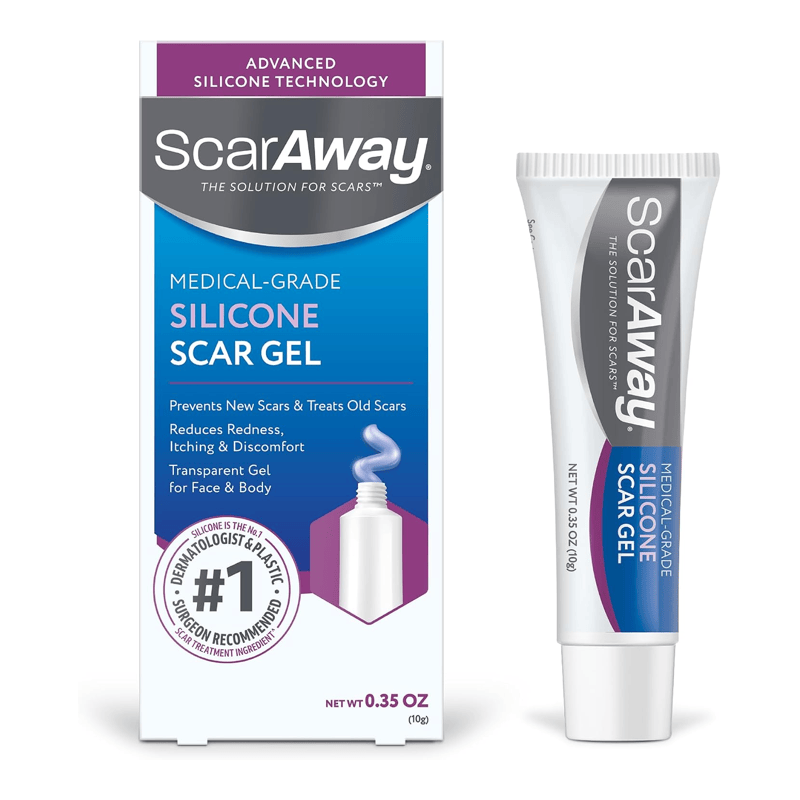
For raised scars, ScarAway 100% Silicone Scar Gel is a handy at-home option, since silicone has long been a first-line home step for this type. It dries into a thin, clear layer you can wear under makeup. Apply it to clean skin once or twice a day and give it a couple of months. It won’t do anything for a dented scar, so skip it if your scars sit below the surface.
Why your dermatologist asks which type you have
This isn’t a treatment plan, but the reasoning helps explain why there’s no one-size-fits-all fix, and why the before-and-after photos that wowed you might have been of someone with a different kind of scar.
Ice pick scars usually call for treatments applied scar by scar, since their whole problem is depth in a tiny space. Rolling scars respond best to methods that release the bands underneath, because the surface isn’t really the issue. Boxcar scars are the ones most often treated with resurfacing, which softens those sharp walls so they blend in. A mix usually means a combination of approaches over more than one session.
No over-the-counter product rebuilds a dented scar. Not a serum, not a peel pad, not a home roller. Retinoids and steady exfoliation can improve overall texture and tone, and they’re worth using, but a scar with defined walls is a structural problem that gets treated in a clinic. A board-certified dermatologist is the right person to plan that with you. For more, browse our Skin section.
What people ask about acne scars
How do I know if it’s an acne scar or hyperpigmentation? Run your finger over it and check it in side light. If it’s flat and casts no shadow, it’s a mark that will fade, not a scar.
How long do acne marks take to fade? Often several months, and sometimes a year or more for darker marks. Daily sunscreen helps them fade faster.
Can acne scars go away on their own? Dented and raised scars usually don’t go away on their own. Professional treatments can often improve them a lot.
What’s the difference between ice pick and boxcar scars? Ice pick scars are tiny, deep and narrow, like a pinprick. Boxcar scars are wider with sharp walls and a flat bottom, like a chickenpox mark.


