
It’s a warm afternoon meeting, someone asks you to point at the screen, and you keep your elbow pinned to your side because the gray top was a mistake again. If that sounds like a normal week, Botox for underarm sweat is a real medical option, not a vanity add-on. The FDA has approved it for severe underarm sweating in adults when products on the skin haven’t been enough. It goes much more smoothly when you know what happens around the needle: the questions, a test that turns your skin blue, a little prep, and a repeat visit you’ll be booking before long.
Who gets offered underarm Botox
Treatment almost always starts with something you put on your skin, not a needle. The AAD says regular store-bought antiperspirants only help mild cases, which is why plenty of people with heavy sweating move on to a clinical-strength or prescription one.
How you use it matters as much as which one you buy. Antiperspirant for heavy sweating goes on at bedtime, on skin that’s completely dry, and you want it to dry fully before you lie down. Your sweat glands are quieter overnight, which gives the active ingredient time to settle into the sweat ducts. If you’ve only been swiping it on after a morning shower, switching to bedtime may work much better for you. Our post on why antiperspirant works better at night explains the timing.
A strong roll-on to start with
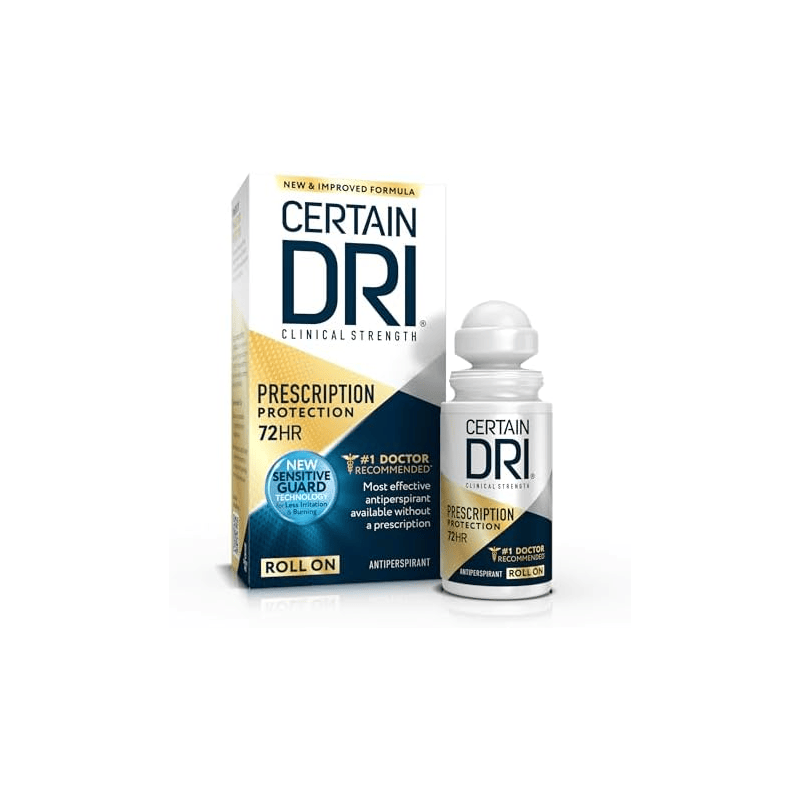
Certain Dri Prescription Strength Clinical Antiperspirant Roll-On is a common first try, and at about $9 it’s an easy one. It’s a strong aluminum chloride formula made for nighttime use on dry skin, and a lot of people with heavy sweating find it’s the first product that makes a real dent. Apply a thin layer, let it dry before bed, and wash it off in the morning.
A stick with no drying time

If waiting for a roll-on to dry drives you nuts, Degree Clinical Invisible Solid Antiperspirant for Women is a clinical-strength stick that goes on smooth and dry. It costs about $9 and leaves no white marks, which is a bonus when you’re getting dressed in a hurry.
A bigger stick that’s gentle on skin
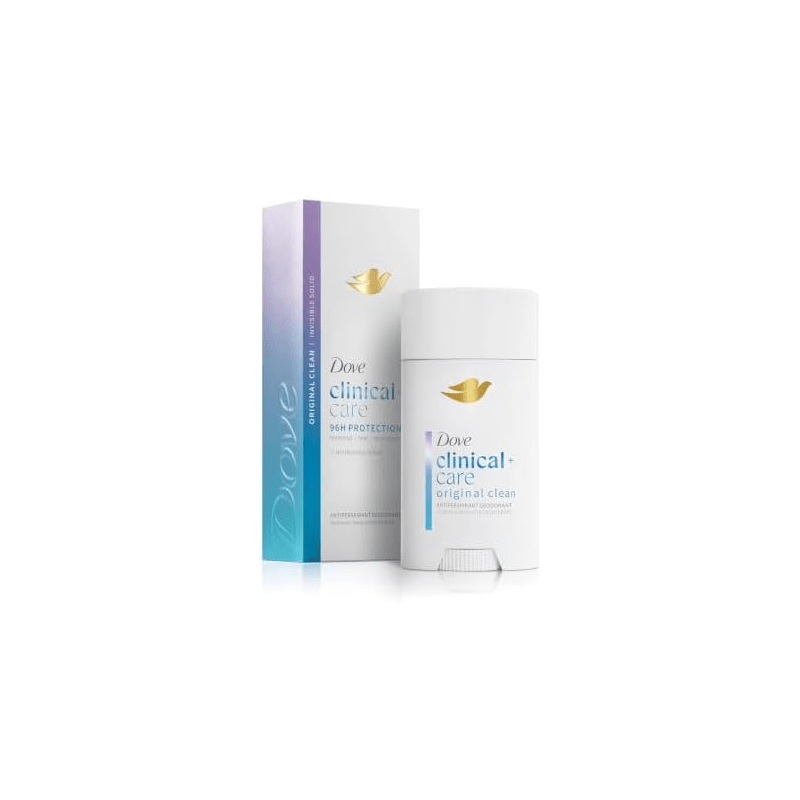
Dove Clinical + Care Antiperspirant Stick is another clinical-strength option in a bigger size, about $13. It has Dove’s moisturizing care formula, so it’s a nice fit if your underarms get dry or irritated easily. The Original Clean scent is fresh without being strong.
If antiperspirant stings or darkens your underarm skin, tell your doctor, because spacing out nights or switching formulas often helps.
After that comes a middle step many people never hear about, which includes prescription antiperspirants, a daily medicated wipe, a bedtime medicated gel, and pills that lower sweating all over. Each of these has side effects, like dry mouth or blurry vision, so that’s a talk for a doctor. Botox tends to come up when they haven’t worked or haven’t suited you.
The questions at your first visit
The first appointment is mostly talking. Expect questions about how often you sweat, where, whether anyone in your family has the same problem, and how it’s affecting your life. Be totally blunt about that last one, because changing shirts at lunch or ruling out whole colors is exactly what the doctor needs to hear.
Cleveland Clinic lists the signs that point to the common, inherited kind of heavy sweating. It has gone on for at least six months and hits both sides of the body evenly, it eases or stops at night, it often started before age 25, and it runs in families.
Sweating that doesn’t fit that pattern gets a closer look first. Some medicines can cause it, including certain antidepressants, thyroid pills and naproxen, and so can health problems like diabetes, an overactive thyroid and menopause. Sweating while you sleep is one clue. Don’t stop a prescribed medicine on your own, though. Ask the doctor who prescribed it. And if heavy sweating ever comes with chest pain, nausea or dizziness, get care right away.
The week before your underarm injections
Once you’re booked, there’s a little homework. The AAD says to stop aspirin, some other anti-inflammatory pain relievers and vitamin E beforehand, since they make bruising and bleeding more likely, and your doctor will tell you which ones and when. Just ask before you stop anything you take for your heart or another condition.
The day before, you’ll usually be told to shave your underarms and skip regular deodorant and antiperspirant for 24 hours.
The test that turns your underarms blue
Before any injection, the doctor needs to see exactly where you sweat most, and a common way to do that is the starch-iodine test. They paint an iodine solution on your underarm and then dust starch over it, so wherever sweat is heavy, the mix turns dark blue.
That blue map is why you skip antiperspirant the day before, because a fresh layer would hide the busy spots. It’s a little messy, but it means the shots go right where they’re needed.
What the injections feel like
The treatment itself is a series of tiny injections into the skin across the marked area, and your doctor may use a numbing cream or a cold pack first. Our post on whether Botox hurts goes into what helps.
The medicine calms the sweat glands only in the spot where it’s injected, so it doesn’t touch the rest of your body, and your palms and feet carry on as usual.
Where you get it really matters. The AAD links the fake Botox cases in the news to treatment in homes and non-medical spas, while a board-certified dermatologist buys it straight from the company that makes it.
The first two weeks after
Results build over a week or so, and you should notice less sweating within 7 to 10 days. In the meantime, the usual side effects are soreness, bruising, a headache, mild itching, and some tenderness or weakness where you were injected. Some people also notice more sweating in other parts of the body.
The rare, serious risk is the medicine spreading beyond where it was injected. MedlinePlus says no one has developed those spread symptoms at the doses used for severe underarm sweating, but you should still know the signs, which can show up hours or weeks later. Call your doctor right away or get emergency care for trouble swallowing or breathing, double or blurry vision, drooping eyelids, a changed or hoarse voice, slurred speech, or weakness all over.
While you wait for results, and again as a round starts to wear off, a little backup for your clothes makes the days easier.
Stick-on pads for your favorite tops
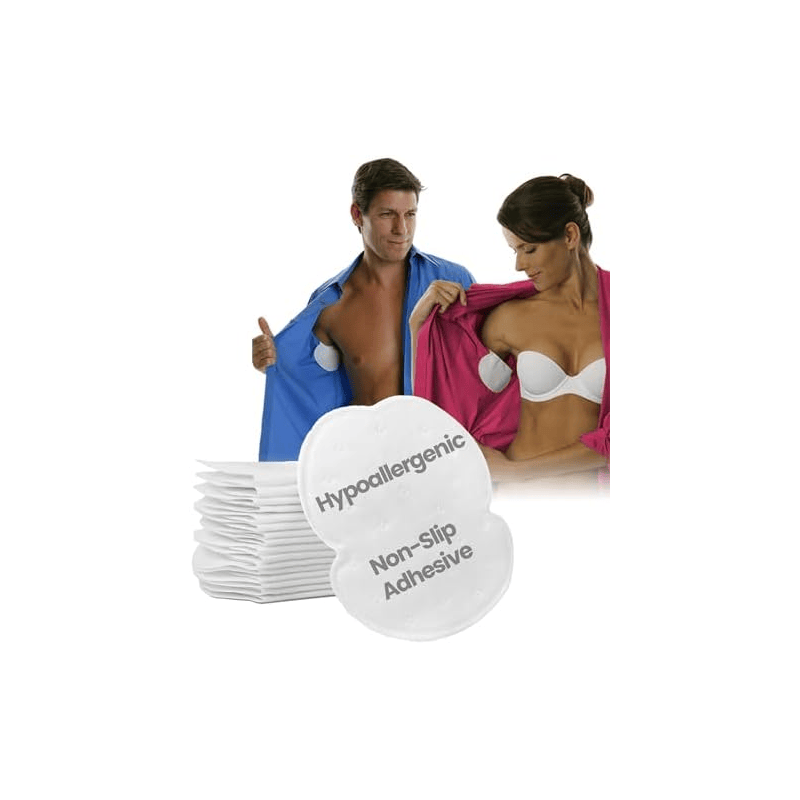
Kleinert’s Disposable Underarm Sweat Pads stick to the inside of your shirt and catch sweat before it reaches the fabric. They’re about $14 for a pack and are a quick fix for the silk blouse or gray tee you’d otherwise leave in the closet. Press them in place before you get dressed and toss them when you change at night.
An undershirt with a built-in shield

If you’d rather not fuss with pads, the Thompson Tee Women’s Sweatproof Undershirt has a sweat barrier sewn into the underarms. It’s a soft cotton scoop neck that layers under work clothes, and at about $39 it costs more up front but lasts through plenty of washes. For marks on clothes that are already there, see our guide to getting sweat stains out of clothes.
How long dry underarms last
Results in the underarms tend to last about 3 to 10 months, and MedlinePlus puts the typical repeat at about every six to seven months, or whenever the sweating comes back.
That makes it smart to plan for it as a yearly cost rather than a one-time fee. A clinic quote covers one round, so multiply it by the rounds you’re likely to need and then add the consult and any follow-ups. Because this is a medical treatment, ask whether your health plan covers any of it before you assume you’re paying full price, since coverage varies by plan.
When another option may suit you first
If you haven’t used a clinical or prescription antiperspirant at night for a few weeks, it’s a cheap, easy place to start, and a doctor will likely ask about it anyway.
If you’re pregnant, planning to be, or breastfeeding, bring it up before anything is booked. The same goes if you have a muscle or nerve condition such as myasthenia gravis, or a history of trouble swallowing or breathing, including asthma, since those raise the risk of the medicine spreading.
If you’d rather not keep going back, ask about microwave treatment, called miraDry. It destroys underarm sweat glands with heat in one or two visits, and the results are meant to be long-lasting. It does cost more up front, most insurance plans don’t cover it, and it has its own risks, including burns and lasting nerve pain.
And if your sweating is new, worse on one side, or soaks you at night, see a doctor before any treatment, because that pattern needs an answer first.
What people ask about Botox for sweating
Does Botox for underarm sweating hurt? It stings a little, like quick pinches. Many offices use numbing cream or ice first to make it easier.
How long does Botox for sweating last? Usually about 3 to 10 months in the underarms. Many go back roughly twice a year.
Is Botox for sweating covered by insurance? Sometimes. Plans often want proof that prescription antiperspirants didn’t work first, so ask your doctor’s office to check.
Can you still sweat after Botox in your armpits? A little, yes. It cuts sweating way down in the treated area but doesn’t stop it completely, and your body still sweats normally elsewhere.
Is the consult worth booking?
If you’ve done the bedtime antiperspirant routine for a few weeks and you still plan your outfits around sweat, then yes. Underarm Botox is approved and local, and for many people it buys months of not thinking about their shirts. Go in knowing it’s a series rather than a one-off, ask about cost and coverage at the first visit, and bring a list of everything you take. For the basics on which product does what, read our antiperspirant vs deodorant explainer, and find more in our wellness archive.


