
This guide is for anyone eyeing a pricey spa facial and wondering which kinds help your skin. Warm towels, soft music and ninety quiet minutes with your phone in a locker are lovely. A luxury facial is one of the nicest hours money can buy, and that feeling counts for something. The bigger question is what’s still there a week later.
That depends a lot on what you booked. The word “facial” covers everything from a scented massage to a true resurfacing treatment, at very different prices, in rooms that look exactly the same. Here’s our take on which ones are worth it, which to skip as skincare, and when to wait.
Plan the timing before you book
If your skin is congested, a facial every six to eight weeks can make sense. For pigment or texture, I’d think less about a standing appointment and more about a set series of peels, since that tends to do more than one-off spa time.
If you’ve got an event coming up, give your skin at least two weeks. That leaves room for any redness or surprise breakouts to calm down, which is exactly what you want before photos, dinner plans or anything you’ve already picked an outfit for.
A little post-facial drama can happen
Breaking out after a facial usually comes down to extractions bringing clogs to the surface, or a rich mask irritating your skin. It tends to settle within a week, but if it happens every time, ask for something gentler next time.
A HydraFacial is gentler and more consistent with extractions than a regular facial, which can be a plus. It still works on the surface, so expect a few days of glow rather than a huge skin reset.
What happens during a facial
Take away the candles and most facials come down to four steps: cleansing, exfoliating, extractions and hydration, usually with some steam and massage. Each step does something, and none of it is magic.
Exfoliation does most of the visible work. Removing the top layer of dead skin cells helps your face reflect light more evenly, and that’s where the post-facial glow comes from. It’s real, and it’s short-lived, because that layer builds back up within a few days. Steam and massage boost blood flow, which makes your skin look flushed and bright for a few hours.
Extractions are where a pro really earns the fee. Clearing clogged pores safely is hard to do yourself, and it’s also the step most likely to go wrong in the wrong hands. What a spa facial can’t do is change the structure of your skin. Massage and a mask don’t rebuild collagen. Longer-lasting change comes from peels and devices, which work by controlled injury to the skin, and that’s why they come with real aftercare and some risk.
Worth it, a professional peel
A chemical peel done by a trained clinician, usually around $150 to $350 a session, is worth booking if you have something specific to improve, like sun spots, melasma, dark marks left by acne or rough texture. The American Academy of Dermatology notes peels can help with uneven tone, sun damage and some acne scars, and a series of them can do things a cream can’t.
Have someone qualified look at your skin first. Deeper skin tones have a higher chance of dark spots after irritation, so the type and strength of peel matters, and that’s a conversation for a provider, not a booking form. Plan on a few days of flaking with a medium peel. Regular extraction facials every six to eight weeks are also a fair buy if you’re congested and tend to pick, since that’s cheaper than dealing with scars.
Skip it, the signature spa facial as skincare
The hotel spa’s signature “anti-aging” facial often runs $300 to $500. You’ll walk out glowing, and by midweek you’ll look like yourself again. If what you want is ninety minutes of being taken care of, it’s a great treat and fair value next to any other luxury hour. Just don’t book it expecting your skin to change. As skincare, it’s the priciest way to exfoliate there is.
The add-ons at the front desk follow the same logic. The products used during your facial are often good ones, and they look amazing on skin that was just exfoliated. The glow you’re admiring mostly comes from the exfoliation, not the jar. Buy if you love it, but decide before you go in if you plan to shop.
Wait, microneedling
Microneedling, with or without radiofrequency, can run $600 to $1,500 for a course, and it can help with texture and acne scars. Hold off until daily sunscreen and a retinoid have had about six months to work. Those two change skin more than any single appointment, and they also help treatment results last. Booking needling before that means paying for part of a result you could have gotten from your bathroom shelf.
Wait, too, if your skin feels tight, stings or reacts to everything. A damaged skin barrier shouldn’t be exfoliated or needled until it calms down. And if what bothers you is volume loss or deep lines, a facial at any price won’t touch them. A quick visit with a dermatologist will point you to what does.
Building the at-home version, step by step
You can get surprisingly close at home on three of the four facial steps. A leave-on acid a few times a week does more over time than a monthly pro exfoliation, because frequency beats intensity for keeping the surface smooth. A retinoid does something no facial does at all. Moisture is easy. Extractions are the one gap, because squeezing at home is how clogged pores turn into scars. Here’s the routine, in the order you’d put it on.
A toning acid for your evening glow
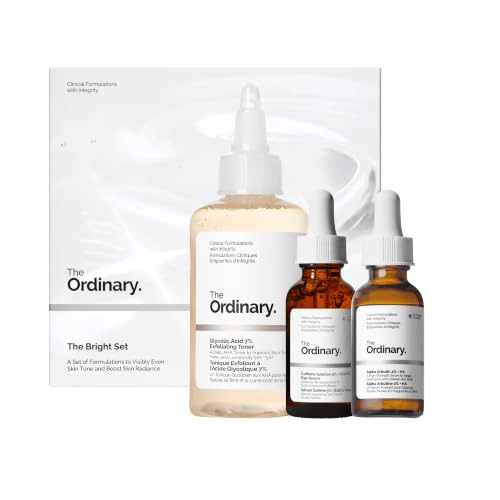
The Ordinary Glycolic Acid 7% Toning Solution handles the surface-smoothing part of a facial for around $10. Swipe it on with a cotton pad after cleansing at night, two or three times a week. It’s a great fit for dull or rough skin. Skip it if your skin is sensitive or irritated, and don’t use it on the same night as a retinoid.
A pore-clearing serum for congestion
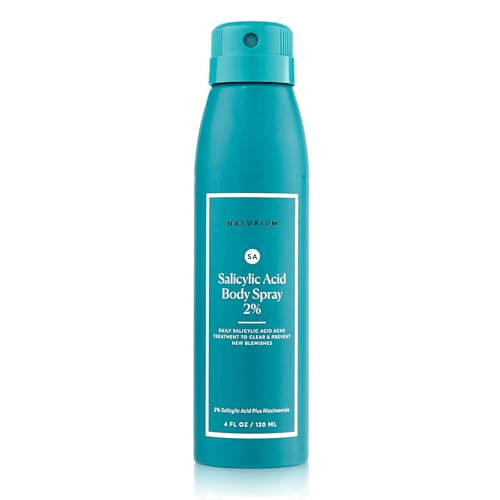
If clogged pores are your main issue, Naturium Salicylic Acid Serum 2% is the one to reach for. Salicylic acid is oil-soluble, so it gets into pores in a way glycolic acid can’t, and steady use helps prevent the clogs an extraction would have to clear. Use it on nights you’re not using glycolic acid, and start with a few times a week.
A retinoid that does what facials can’t
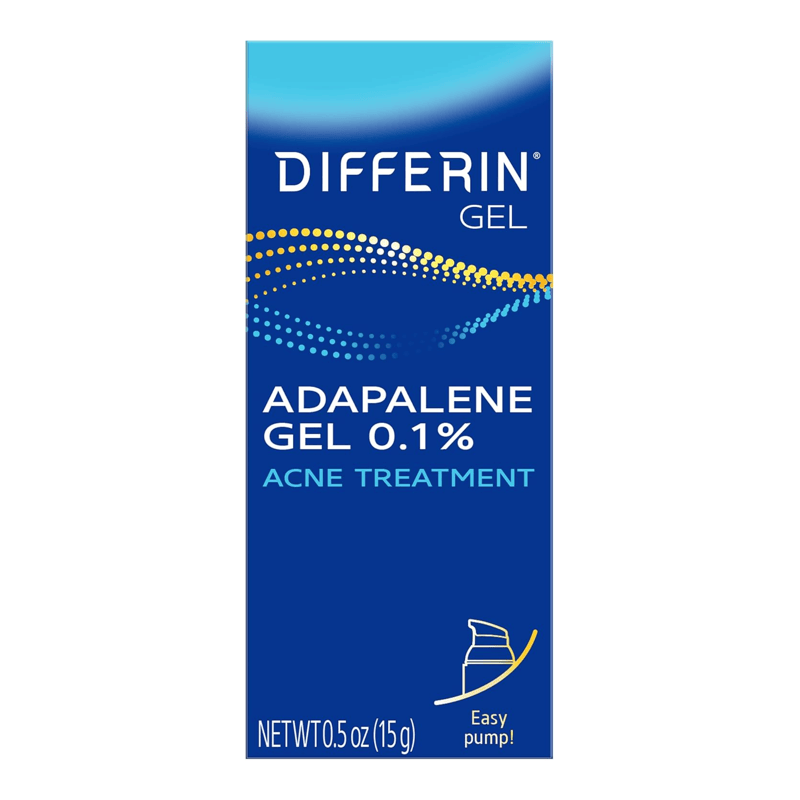
Differin Adapalene Gel 0.1% is a retinoid you can buy without a prescription, and it’s the at-home step that changes skin over time by speeding up cell turnover and keeping pores clear. Apply a pea-size amount to dry skin at night, starting two or three times a week and building up slowly. Some dryness and flaking at first is normal. Don’t use it if you’re pregnant or trying to be, and check with your doctor if you’re unsure.
Daily sunscreen to protect the results
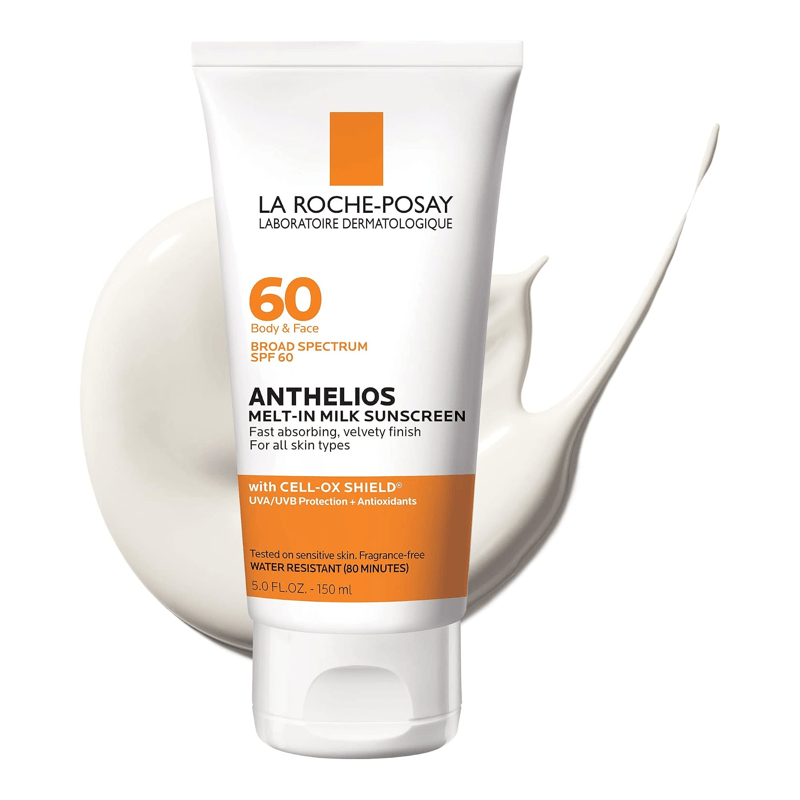
La Roche-Posay Anthelios SPF 60 goes on every morning as your last step. Sunscreen is a must after any acid, retinoid or peel, since freshly exfoliated skin burns and darkens more easily. It’s also the reason a peel series either holds up or fades. This one offers high, broad-spectrum protection that’s a solid everyday choice.
The yearly math
One facial feels like a treat. A year of them is a budget line. A $400 signature facial every eight weeks adds up to about $2,600 a year. A series of six professional peels, which has a set end point, runs roughly $900 to $2,000 one time. The home routine above costs closer to $80 for the year and works every day instead of six times.
If results are the goal, a peel series plus a steady home routine wins by a mile. If you want to feel pampered that afternoon, the spa facial wins. Both are fine reasons to spend money, as long as you know which one you’re buying.
Book it, skip it or wait
Book a professional peel series if you have pigment or texture to fix and you’ll wear sunscreen after. Enjoy the signature spa facial as an hour of pampering, not as skincare. And wait on microneedling until sunscreen and a retinoid have had six months to work. For the wider question of what premium skincare spending buys, see where the money actually goes, and who should hold off entirely. More verdicts live in the comparison archive, and the rest of our treatment coverage sits in Skin.


