
Your bridal makeup trial really starts once you’re out of the chair. Book it about two to three months before the wedding, on a day you can leave the makeup on until bedtime, and bring photos of looks you love on faces like yours, a picture of the dress, your veil and a white or ivory top. Then live in that face for eight hours, because that’s your rehearsal for the long day itself. Anything that holds up goes on your wedding-day list, and nothing new sneaks onto it later.
When to book your trial
Two to three months out is the window most artists suggest, and it’s a smart one. Your skin, hair color and the daylight will be close to how they’ll look on the day, with time left for a second trial, or a different artist, if the first one isn’t quite right.
One of our favorite tricks is to stack the trial with something you’re already dressing up for. Book it the morning of a dress fitting and you’ll see your face against the actual fabric. Book it before your engagement photos and a professional camera does the photo test for you.
Going six months early can mean matching your foundation to a summer tan that’s long gone by a winter wedding, and two weeks before leaves no time to fix anything. Steer clear of the days right after a facial or peel, or anything else that leaves your skin flaky or pink, because no foundation sits nicely on that. Our bridal skincare timeline shows where treatments fall so the two don’t clash. If you’re planning a spray tan for the wedding, either do the trial with one on or give your artist a heads-up, since it changes the shade match. And grab a morning slot if you can, because an afternoon trial only gets you a few hours of wear while a ten o’clock appointment gives you the whole day to test it.
What to pack for the appointment
The right photos help more than anything else. A heavily edited celebrity with a different skin tone doesn’t tell an artist much, so bring one photo of yourself where you loved your makeup and one where you didn’t, and jot down why. Then add these to your bag:
- A white or ivory top with a similar neckline to your dress. White bounces light onto your skin and shows whether your face, neck and chest all match.
- Your veil, headpiece and earrings. They change the whole frame around your face.
- A photo of the dress and the venue. A noon ceremony on the beach and a candlelit ballroom call for very different amounts of definition.
- Your own foundation and concealer, plus anything you’ve reacted to before. That shows your current shade and what to steer around.
- Your glasses or contacts, whichever you’ll wear that day. Both change which eye makeup feels comfortable.
Show up with clean, moisturized skin and no makeup on, and stick to your usual skincare that morning. Trial day isn’t the time for a new serum.
Questions to ask your artist in the chair
What are you putting on me? Ask for the brand and shade of the foundation, lip products and mascara, and snap a photo of each so you have them.
Who’s doing my makeup on the day? On bigger teams it isn’t always your trial artist, so get the name in your contract.
How long will this take on the morning? It usually won’t match the trial time, especially if you’ve got a whole bridal party in line behind you.
What’s included in the price? Ask about lashes, a touch-up kit, travel, whether they stay through the ceremony or photos, and whether the trial fee comes off the wedding-day bill. Our piece on whether hiring a bridal makeup artist is worth it covers what the fee usually includes.
What would you change for the camera? A great artist will talk about flash, daylight and a white dress, along with how it looks in the mirror. If they suggest airbrush, ask why it suits your skin, and check our airbrush makeup verdict to see when it makes sense.
The eight hours afterward tell you the most
Leaving happy only proves the makeup looks good fresh, so keep it on and check in on a schedule.
Step 1: Take photos right away. Stand facing a window for a daylight shot, then head into a dim room and take one with your phone’s flash on, both from arm’s length and from across the room. If the flash photo shows a pale, ghostly cast under your eyes or across your T-zone, that’s called flashback, and you’re lucky to have caught it now instead of on the day. Our guide to makeup for wedding photos explains what causes it. Either way, send the photos to your artist.
Step 2: Check in at hour four and hour eight. Use the same window and the same flash each time, and look closely at the sides of your nose, your chin, your smile lines and under your eyes, since that’s where foundation usually creases first. Blot with one of the Clean & Clear Oil Absorbing Sheets at hour four to find out whether blotting alone handles your shine.
Step 3: Make your eyes water. A sad video does the trick, or let a few lubricating eye drops run. Press a tissue gently under each eye instead of wiping and see what comes off. If your mascara moves, ask about a tubing formula like L’Oréal Paris Double Extend Beauty Tubes Mascara, which tends to slide off in warm water instead of smudging, or a waterproof one like Maybelline Lash Sensational Waterproof Mascara, which needs an oil-based remover at night. Our tear-proof eye makeup guide has the full rundown.
Step 4: Eat, drink and hug someone. Have a real meal and sip from a glass, then check your lips. After that, press your cheek against a white towel or an old white shirt, the way you’ll press it against forty guests and at least one suit lapel, and see what rubs off. To test lip wear, fill in your whole lip with a pencil close to your own shade, like the NYX Professional Makeup Slim Lip Pencil, and see what’s left after the meal.
Jot everything down with the time next to it. “My under-eyes creased by two o’clock” is something an artist can fix, but “it didn’t really last” leaves them guessing.
How to give feedback without the awkwardness
Artists expect notes, so speak up early while you’re still in the chair and a change takes thirty seconds. The more specific you are, the easier it is: “a little less blush”, “a softer brow”, “I can see the foundation along my jaw”, or “the lashes feel heavy at the outer corners”. Words like “natural” and “glam” mean very different things to different people, so point to a photo whenever you can.
Send your wear-test notes and photos within a day or two, while your face is still fresh in the artist’s mind. One or two small tweaks rarely need another visit, but if you want a whole new direction, or the base didn’t make it through the afternoon, a second trial is worth booking.
Red flags that mean you should book someone else
A lipstick shade that’s a little off is easy to fix. These aren’t.
Watch out if the artist won’t tell you what they’re using or gets defensive when you ask for less, or if nobody in their portfolio has your skin tone and they have to mix three foundations to get close to yours. Walk away if they double-dip a mascara wand or use brushes that clearly haven’t been washed. An artist who pushes their own look over the one you asked for, who’s vague about who’ll show up on the day, or who has no written contract is another warning sign.
Any one of the hygiene or contract problems is enough on its own, so find someone new while you still have weeks to spare.
Doing your own wedding makeup
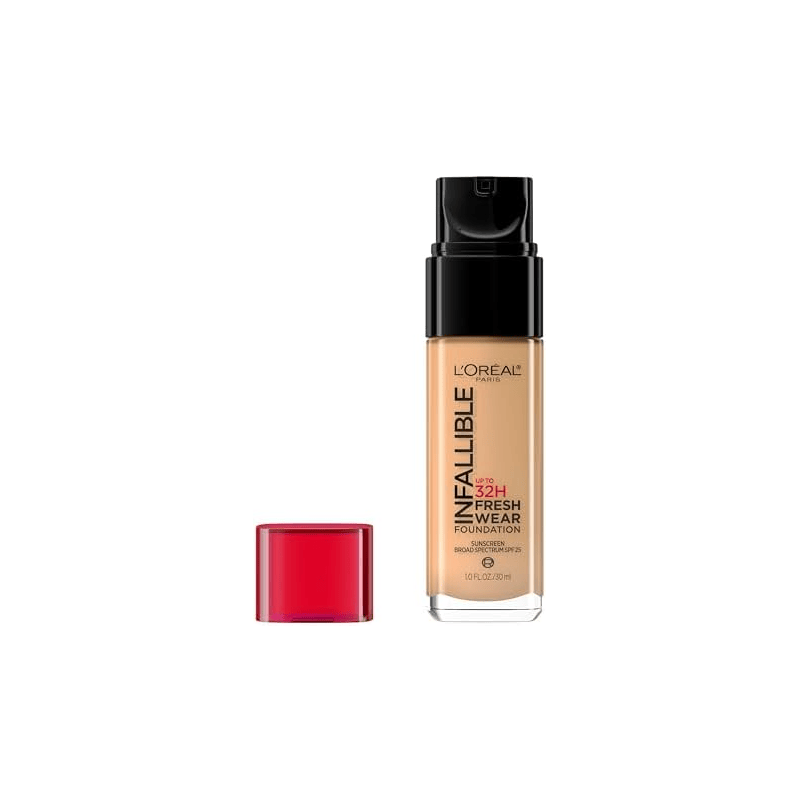
You need a trial even more than someone hiring an artist, because there’s nobody else checking your work. Pick a day when you have somewhere to go, lay out every product, and do your full face with a timer running. Then run the same wear test: photos, hour four, hour eight, tears, food and the white towel. If you’re choosing a base to test, L’Oréal Paris Infallible 24H Fresh Wear Foundation is long-wearing without that heavy mask look, but it carries SPF, so keep an eye on your flash photo.
Two more tips. Write down the order and how much of each product you used as you go, because you won’t remember on a nervous morning. And once a product passes, stop shopping. Nothing brand new goes on your face on the day, however good the reviews look. Our guide to wedding makeup that lasts walks through how to layer a base so it holds. A long-wear spray like Urban Decay All Nighter Setting Spray is worth trialing for feel as much as hold, since some faces find it tight.
What to do next, depending on how it went
If you’ve hired an artist but haven’t booked the trial yet, set it for the morning of a dress fitting about two to three months out.
If you loved the look in the chair but it faded by mid-afternoon, send your hour-four and hour-eight photos and ask for changes to the prep and setting before you ask for a whole new look.
If the artist couldn’t match your skin tone, book a trial with someone else now. A shade problem at the trial won’t fix itself on the morning.
If you’re doing your own makeup, run a timed dress rehearsal on a day you already have plans.
If you’re getting married somewhere hot or outdoors, do part of your wear test outside, because an afternoon in the air conditioning won’t tell you how your makeup handles a ceremony in the sun.
The cheat sheet to leave with
You want to leave with one list: every product by name and shade, the order it went on, your notes from hour four and hour eight, and the two or three changes you and your artist agreed on. That single sheet is what you or your artist will work from on the wedding morning. The rest of the plan is in our bridal makeup guide, with more in the makeup archive.
How long does a bridal makeup trial take? Plan on one to two hours in the chair.
How much does a bridal makeup trial cost? It depends on the artist and your area. Many charge a separate trial fee, so ask up front whether it’s part of your package.
Should you wear false lashes to your trial? Yes, and keep them on all day. Lashes are what brides most often find uncomfortable by evening, and lash glue can irritate.
Can you do your hair and makeup trial on the same day? Yes, and it’s smart. You see the whole look together, and a small touch-up kit plus our guide to midday touch-ups will carry you through the rest of the day.


