
Fraxel is the resurfacing laser for people who can’t disappear for a week. Instead of the raw, crusty recovery you’d get with a CO2 laser, you’re looking at a few days of redness and flaking, and then you’re back to normal. What you trade for that easy healing is speed, since you’ll usually need three to five sessions and the results build slowly over months. There are also two types to know about. The 1550 reaches deeper, so it’s the one for fine lines, acne scars and rough texture, while the 1927 stays near the surface for sun spots and freckles. If your skin is a deeper tone, dark patches afterward are still possible, so your provider’s settings and experience really matter.
How a Fraxel laser works
Most resurfacing lasers heat the water in your skin, and Fraxel does too, but it works in a grid of tiny dots instead of covering the whole surface at once. Each dot is a small, controlled injury. The healthy skin all around it does the repair work, and over the next few months your skin rebuilds collagen.
Fraxel also heats the skin without burning off the top layer the way CO2 does. That’s why you look sunburned for a few days instead of raw for a week, and it’s also why you need more sessions, because each one does a little less.
Fraxel Restore vs Fraxel Dual: 1550 vs 1927
The machine names have changed over the years, but the two wavelengths are the same. The FDA has cleared the Fraxel Dual system for the uses below.
- The 1550 (Restore) goes deeper, up to about 1.6 mm into the skin. It’s cleared for skin resurfacing, wrinkles around the eyes, acne scars, surgical scars, age spots, sun spots, melasma and actinic keratoses (rough, scaly sun-damage spots). It shines on texture, fine lines and scars.
- The 1927 (the Dual’s second laser) stays shallow, up to about 0.3 mm. It’s cleared for age spots, sun spots, freckles and actinic keratoses, so it’s the one for brown spots and sun damage.
- Fraxel Dual and FTX have both wavelengths in one machine. FTX is the newer version of the Dual.
So if an office says “Fraxel Restore,” they usually mean the 1550 alone, while “Fraxel Dual” or “FTX” means they can use either one, or both over a series. Ask which one they plan to use for your goal, since spots and scars need different settings.
A quick word on “FDA-cleared,” too. It means the agency found the device similar enough to others already sold for those uses. That’s a lower bar than a drug approval, and it doesn’t promise a result.
Lines, scars and spots it can help
Good fits include uneven texture, fine lines (especially around the eyes), old acne scars, surgery scars, sun spots and all-over sun damage. If brown spots are what bug you most, the 1927 is the one cleared for them.
Scars take patience. In one study with the 1550, acne scars improved by as much as 50% after four or five sessions spaced a month apart. A single session rarely does much for scars, so plan for the long game.
Melasma is a maybe. The 1550 is cleared for it, but the best you can usually hope for is a few months of improvement. Melasma often comes back, and a laser can sometimes make it worse, which is why sunscreen stays the main treatment.
Deeper wrinkles and loose skin respond better to stronger tools, and CO2 improves wrinkles more than lasers like Fraxel do. If tightening is your goal, our microneedling vs Morpheus8 comparison walks through other options.
Fraxel vs CO2, briefly
CO2 burns away the top layer of skin, so one or two sessions give you a bigger result, along with a week or more of crusting and more risk. Fraxel leaves the surface in place, which means a few sunburned-looking days and a series of visits. For scars and melasma, there’s little proof that CO2 does any better, but for wrinkles, CO2 comes out ahead. Our post on laser resurfacing for acne scars covers which laser fits which kind of scar.
Your appointment, start to finish
First your skin gets cleaned, and a numbing cream goes on about an hour before the laser. A full face takes about 20 to 25 minutes, with cold air blowing on your skin the whole time. Even so, it feels very hot, so it helps to know that going in.
Stay out of the sun before you book. The American Academy of Dermatology (AAD) says a dermatologist can’t treat you with a tan or a sunburn, because the laser could burn or discolor your skin. And if you get cold sores, mention it, since you may need an antiviral first.
Healing, day by day
The first few hours. Your face feels sunburned, but that usually eases within one to three hours.
Days 1 to 3. Expect redness, some mild swelling and often itching. Your skin may look darker or a little bronzed, because the tiny treated dots show on the surface.
Days 3 to 7. This is the flaking and peeling stage, and it often starts in the middle of your face. Don’t pick or scrub. Let it come off on its own and keep a plain moisturizer, like Vanicream Moisturizing Cream, on it.
After that. The redness clears and you can usually get back to your normal routine, while results keep building for months as your skin makes new collagen.
How many sessions, and how far apart
Some people see a change after one session, and up to five can make sense depending on your goals. For fine lines and sun damage, three to five is typical, usually about a month apart, and scars sometimes need more. If life gets busy and a session gets pushed back, don’t stress, because a delay won’t undo your progress.
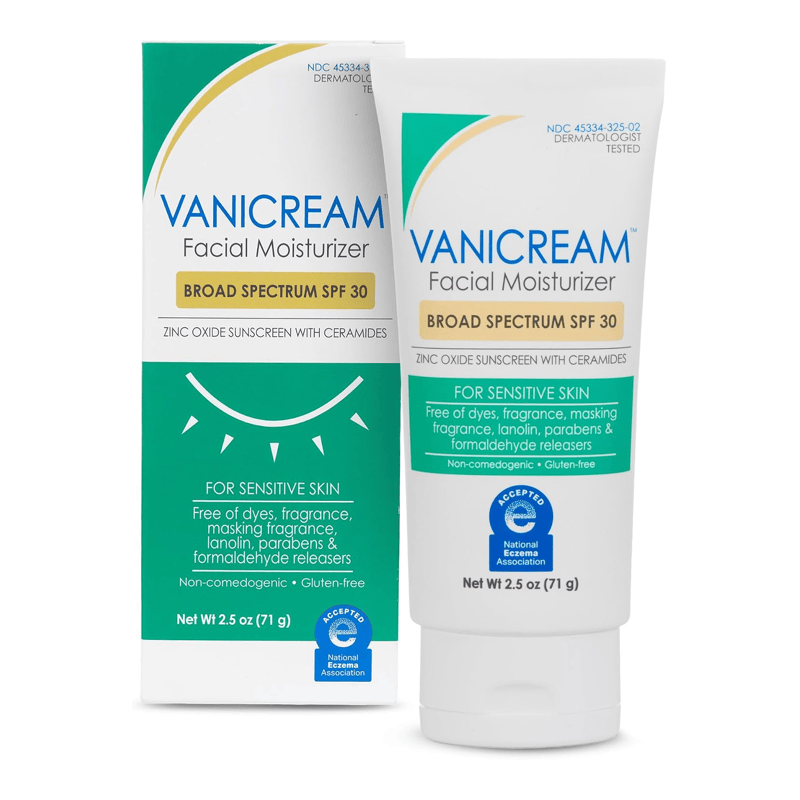
Once you’re done, smoother texture and softer scars can hold for a long time. Sun and aging keep going, though, so daily sunscreen is how you protect what you paid for. Aim for broad-spectrum SPF 30 or higher, like the zinc-only Vanicream Facial Moisturizer SPF 30, and stay out of direct sun for at least three months after your last session. Don’t put it on broken skin, though, and if any spots are still raw, ask your provider what to use until they close.
Fraxel on deeper skin tones
Lasers like Fraxel are usually seen as a safer pick for darker skin than CO2 because they do less damage, but they aren’t risk-free. Dark patches afterward are the most common problem on medium-brown to deep skin, even with the 1550, which doesn’t target skin pigment. The risk climbs as the laser gets stronger and especially as the dots get packed closer together, so lower settings and slower progress are normal. On medium to deep skin, Fraxel Dual has shown steady gains for scars, melasma and sun damage, with fewer dark patches at lower settings, though some of that research was paid for by the industry. Ask your provider how often they treat your skin tone with this laser and what settings they start at.
What can go wrong after Fraxel
These are the possible side effects:
- Darker or lighter patches, which can be temporary or permanent
- Blisters or burns
- Infection
- Redness that lasts longer than expected
- Scarring, including keloids, especially if you pick or rub the treated skin
- Bruising
- Eye injury, which is why you wear eye protection the whole time
Skip Fraxel if you get keloid scars, if you’re taking isotretinoin (Accutane) or a similar drug, or if you’re on steroid pills like prednisone. Tell your provider about every medicine you take, even the ones that seem unrelated.
What Fraxel costs
Neither the American Society of Plastic Surgeons nor the American Society for Dermatologic Surgery publishes an average Fraxel fee, so there’s no reliable number we can give you. It’s priced per session and you’ll likely need several, so ask for the cost of the whole plan up front. Insurance treats it as cosmetic.
Aftercare basics for the flaky days
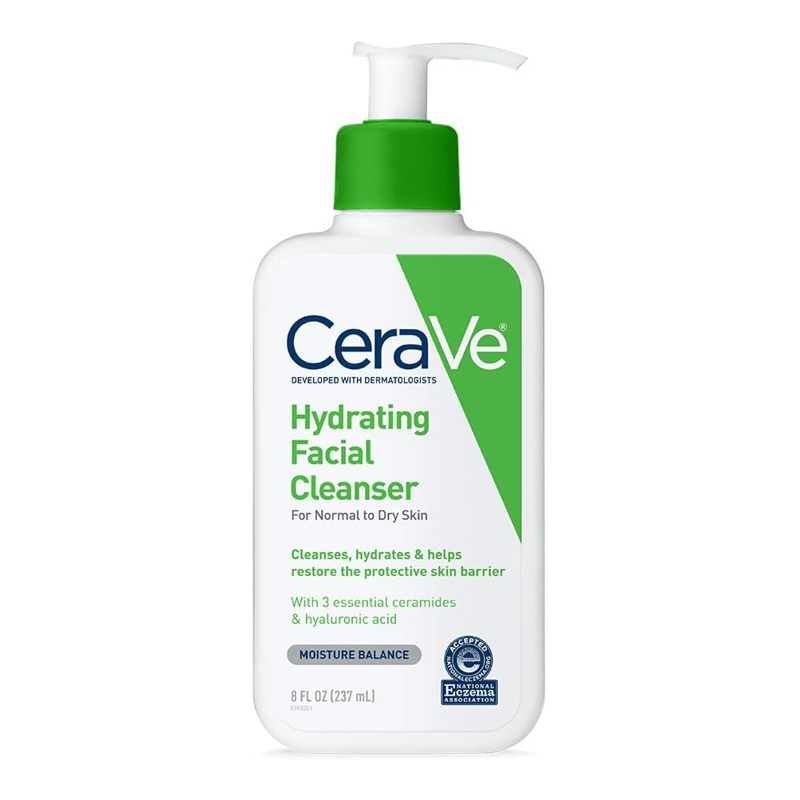
Fraxel aftercare is pretty simple. Be gentle, washing with a creamy, non-foaming cleanser like CeraVe Hydrating Facial Cleanser, your fingertips and lukewarm water, keep your skin moisturized while it flakes, and keep it out of the sun for months. One plain, fragrance-free product for each job is all you need. Nothing here makes you heal faster, and retinoids, acids and scrubs stay out of your routine until your provider says they can come back.
Wondering about makeup? Ask your provider when it’s okay to start again. Once you’re cleared, use clean brushes and gentle, fragrance-free products, and press rather than rub over any skin that’s still flaky.
Matching the laser to your goal
If brown spots and sun damage bother you most, ask about the 1927, since it’s the one cleared for spots and freckles.
If you have old acne scars, plan on a series of 1550 sessions spaced a month apart.
If you have melasma, go carefully. Ask your dermatologist whether a laser makes sense for you at all, and expect any gains to need upkeep.
If your skin is medium-brown to deep, Fraxel can work, but only with a provider who treats skin like yours often and starts with low settings.
If you want one big result and can handle a rough week, CO2 may suit you better. If you can’t take time off, Fraxel’s slow and steady approach is a lot easier to live with, as long as you treat sunscreen as part of the treatment. You’ll find more on skin treatments in our skin archive.
Picking who runs the laser
See a board-certified dermatologist, or a trained provider working directly under one, who has used this exact laser on skin like yours. It’s prescription-only equipment, and the AAD says the skill of the person running the laser largely decides your results. People often mix Fraxel up with BBL, but BBL uses broad light instead of a laser and works differently, and our explainer on the face BBL covers how. And if you’re nervous about pain, numbing cream and cold air help a lot, and the sunburn feeling usually fades within a few hours.


