
Maybe your face shape is exactly where you want it, but your skin looks a little rough, tired or flat in photos. That’s the gap SkinVive by Juvéderm was made for. It’s a thin hyaluronic acid gel injected in tiny drops into the skin itself, and the FDA has approved it for adults over 21 to smooth cheek skin and soften lines on the neck. It isn’t a volume filler, so it won’t lift a cheekbone or fill a hollow. Just over half of the people treated in its main study had smoother cheeks a month later, and most of them still did at six months. Plan on a few days of redness and small bumps, and on repeat visits if you love the result.
A gel made to sit inside the skin
SkinVive is a clear gel of hyaluronic acid at 12 mg per mL. The hyaluronic acid is made by bacteria and then lightly linked together with a substance called BDDE, which your body breaks down over time. The gel also contains 0.3% lidocaine, a numbing medicine, so the many little needle sticks are easier to sit through.
Hyaluronic acid is the same ingredient in half the serums on your bathroom shelf. Your body makes its own, too, and its job is to hold water in the skin. What sets SkinVive apart is where it goes. A serum sits on the surface, while SkinVive goes inside the skin as lots of small drops spread across the cheek, which is why people call it a “skin booster.”
The fillers used for cheeks or lips go deeper and in larger amounts, because their job is building shape. SkinVive is spread thin instead, since the goal is smoother texture and softer fine lines rather than a new contour.
The results you can expect
In the study behind the cheek approval, people had the option of a touch-up about a month after their first session. A month in, 58% had noticeably smoother skin on both cheeks compared with people who hadn’t been treated yet, and at six months 56% still did. By then, 63% also had softer fine lines on their cheeks, and people said they were happier with how glowy and hydrated their skin looked.
It’s fair to look at those numbers from both sides. A little over half saw a clear change, which means a sizable group didn’t, and the study was run by the company that makes it. Smoother skin is a real improvement, just a subtle one, so think refreshed rather than transformed.
The neck was approved later. A month after treatment and touch-up, 75% of people had softer neck lines, and 66% still did at six months.
SkinVive won’t replace lost volume or lift sagging skin, and it isn’t meant for deep folds, brown spots or acne scars. If one of those is what bothers you most, a good injector will steer you toward something better suited.
How it differs from your hyaluronic serum
Your serum still has a place. A serum works on the surface and needs to go on every day, while SkinVive puts hyaluronic acid inside the skin, with results lasting about six months for the majority of people treated. The risks are different, too, since a serum can’t block a blood vessel and an injection, rarely, can.
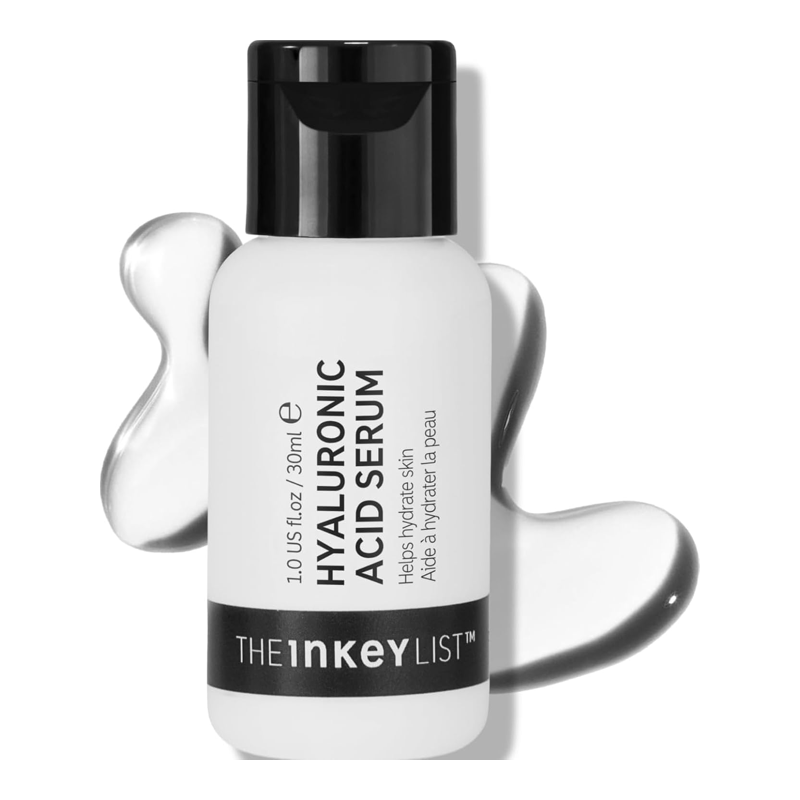
So it doesn’t have to be one or the other. If your skin looks dull and dry, a hydrating serum like The INKEY List Hyaluronic Acid Serum, a moisturizer and daily sunscreen are the cheap, safe place to start, and a good share of the glow you’re after often comes from there.
In the treatment chair
Your injector places many small shots across the cheek with a very fine needle. For the neck, they may use a needle on its own or with a thin, blunt tube called a cannula, and the lidocaine in the gel takes the edge off either way. In the cheek study, people could return for a touch-up about a month later and were offered a repeat at six months.
There are limits on how much goes in. Amounts over 6 mL for the cheeks or 5 mL for the neck, counting the first round and touch-up together, haven’t been studied. There’s also a yearly cap of 20 mL per 60 kg (about 130 pounds) of body weight across all Juvéderm gels, so if you get filler elsewhere as well, it makes sense to stay with one injector who sees the whole picture.
The first day or two afterward
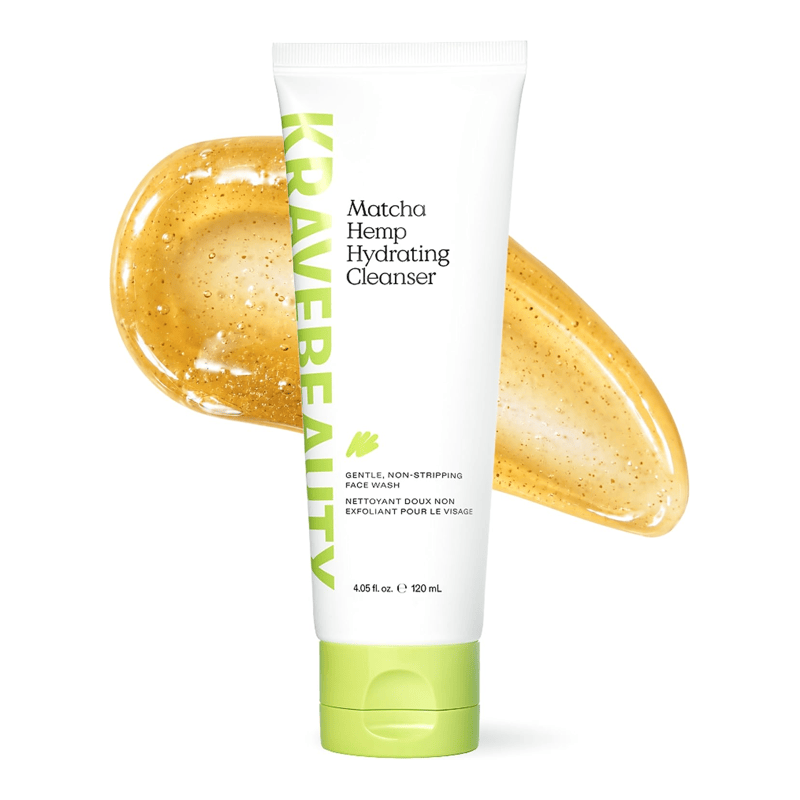
Aftercare is pleasantly simple. For the first 24 hours, skip hard workouts, strong sun or heat, and alcohol, since each can bring on short-term redness, swelling or itching where the needle went in. For the neck, hold off on makeup for 12 hours. After that, just be gentle, with a mild cleanser like KraveBeauty Matcha Hemp Hydrating Cleanser and your fingertips (this isn’t the week for a cleansing brush), your usual moisturizer and sunscreen. Once makeup is allowed again, a tinted mineral formula like Babo Botanicals Daily Sheer Tinted Mineral Sunscreen SPF 50 helps cover any leftover redness. Our injectable aftercare guide walks through the first two weeks after any filler.
Side effects and safety
The common ones. Redness, bumps, swelling, bruising, tenderness, pain, firmness, color changes and itching where the needle went in. On the cheeks these were mostly mild and lasted a week or less, and most cleared within 30 days, though a few people had bumps that took 12 to 15 months to fade on their own. On the neck, nine in ten people had at least one side effect, but they were usually mild and gone within two weeks.
The rare, serious one. Any filler can block a blood vessel if it ends up inside one. Vision problems, blindness, stroke and skin damage have been reported with facial fillers, and most can’t be reversed. Contact your injector or get urgent care right away if your vision changes, you notice signs of a stroke, the skin turns white, or you have unusual pain during or soon after treatment.
Reactions that show up later. Injected gels can cause delayed reactions, so a lump that appears weeks afterward deserves a call rather than a wait-and-see.
No guaranteed undo. Hyaluronic acid filler can often be dissolved with an enzyme, but how well that works for SkinVive hasn’t been studied, so don’t count on being able to reverse it.
Who should skip it. Pass on it if you’ve had severe allergies or anaphylaxis, or if you’re allergic to lidocaine, to the bacterial proteins used to make the gel, or to hyaluronic acid filler. Wait if you have pimples, a rash, cysts or an infection in the area. Safety isn’t established during pregnancy, while breastfeeding or under 22. It also hasn’t been studied in people who form keloid scars or have pigment disorders, where it may cause color changes. And tell your injector about blood thinners, including aspirin and ibuprofen, plus any medicines that lower your immune system.
Other treatments. Lasers, peels and similar treatments afterward can inflame the injection spots, so mention SkinVive to anyone else who treats your skin.
What SkinVive costs
There’s no reliable published price for SkinVive on its own. The American Society of Plastic Surgeons lists an average fee for hyaluronic acid fillers as a group, but that includes thicker fillers used in bigger amounts, so it would be a misleading stand-in. Ask for a written quote that spells out how many syringes are planned, whether a touch-up is included and what a six-month repeat will cost.
Is SkinVive right for your skin?
Skin looks dull or rough, but nothing has changed shape? That’s exactly what SkinVive targets. Try a few weeks of a hydrating serum, moisturizer and daily SPF first, then decide whether the remaining difference is worth paying for.
Hollows, deep folds or sagging on your mind? SkinVive isn’t the right tool here, so ask about filler or other options. Our Botox vs filler explainer covers how those differ.
Crepey neck lines? The neck is an approved area now. Before you commit, ask how many sessions your injector expects and what a six-month repeat costs.
Melasma or a history of dark patches? Bring it up before booking, since SkinVive hasn’t been studied in pigment disorders and may cause color changes.
Big event coming up? Book at least two weeks ahead, because bumps and bruises can take a week or more to settle.
Pregnant, breastfeeding or under 22? Wait, since safety hasn’t been established for any of those.
SkinVive basics in brief
How long does SkinVive last? About six months for most people. Our post on how long injectables last shows how that compares.
Does SkinVive hurt? A little. Expect a lot of small needle sticks, but the gel contains lidocaine and your injector may numb the area first, and any soreness is usually brief.
Can you get SkinVive with Botox or filler? Yes. The same trained injector, ideally a board-certified dermatologist or plastic surgeon or someone working under one, can plan the timing and total amount.
SkinVive is best seen as a texture treatment rather than a shape treatment. For a little over half the people studied, it made cheek skin, and now neck skin, look smoother for around six months. If texture is your main concern and your routine is already doing all it can, it’s worth a conversation, keeping in mind that it won’t replace filler, sunscreen or patience, and that the person holding the needle matters most. There’s more on skin and treatments in our skin archive.


