
If a vampire facial is on your wish list, the place you book it matters even more than the treatment itself. The facial pairs microneedling with platelet-rich plasma, or PRP, which is made from a small amount of your own blood. It has fairly good support for softening acne scars and much less for an all-over glow. Because it involves blood and breaks the skin, a clean, licensed clinic is everything here, and the CDC tied HIV infections in five people to an unlicensed New Mexico spa that offered it. A licensed medical provider who opens a new needle cartridge for every patient is the only kind of place to book.
Your blood, a centrifuge and a needling pen
The appointment comes in two parts. First, a small amount of blood is drawn from your arm, much like a routine blood test. A machine called a centrifuge spins it to separate out the platelet-rich layer, which is thought to help skin heal.
Next comes the needling. A pen-shaped tool tipped with tiny needles glides across your skin and makes lots of small punctures, and the PRP is spread over your face during or after that step, or injected right into scars.
Where PRP microneedling shines, and where it’s unproven
Acne scars are its strongest case. In the research so far, people who had PRP added to microneedling were about three times as likely to see their acne scars improve by more than half compared with needling alone, and they were happier with the results without any real jump in redness or swelling. Much of that research was small or loosely designed, though, so the numbers aren’t settled yet.
PRP also isn’t the only add-on that helps. Microneedling paired with another treatment generally beats microneedling on its own, and pairing it with a chemical peel has looked even better than pairing it with PRP. So PRP is one good partner among several rather than the clear winner. The American Academy of Dermatology (AAD) does say the combination can be especially good at fading acne scars and that it’s safe for people with darker skin tones.
Wrinkles, glow and general “rejuvenation” are much less certain. A few studies have reported smoother texture and softer lines, but the methods and doses varied so much that nobody can say yet how well it works for this. That’s a long way from the dramatic before-and-afters you see on social media.
It’s also good to remember that needling by itself helps skin, so the blood is the extra rather than the main event. There’s no standard recipe for PRP either, so technique and dose change from one clinic to the next.
What the FDA has and hasn’t cleared
The microneedling devices themselves are cleared for certain uses. Some can be used to improve the look of facial acne scars, facial wrinkles and belly scars in people 22 and older. The FDA says these devices are not approved for putting blood products like PRP into the skin, though, so combining the two is off-label, and the risks of pairing microneedling with other products aren’t known.
The New Mexico spa that changed the conversation
This is the story that should guide where you book. The CDC found five people diagnosed with HIV whose virus strains were closely related. Four were former clients of an unlicensed spa in Albuquerque, and the fifth was a client’s sexual partner. HIV spreading through cosmetic injections had never been documented before.
What inspectors found at that spa works as a list of red flags to watch for anywhere:
- A rack of unlabeled tubes of blood sitting on a kitchen counter next to a centrifuge
- Blood and injectables stored in the kitchen fridge alongside food
- Single-use equipment wiped with alcohol and used again
- Unwrapped syringes in drawers and on counters, with needles thrown in the regular trash
- No autoclave, the steam machine that sterilizes tools
- An owner working without the right licenses at more than one location
Nearly 200 former clients and their partners were tested afterward, and the CDC urged proper infection control and client records at any spa offering cosmetic injections.
Signs of a clinic you can trust
These checks come straight from that case and from federal advice, and a good provider won’t mind you asking about any of them.
- A licensed medical provider, with a doctor involved. A board-certified dermatologist, or a practice one supervises, is ideal. You can look up a license with your state’s medical board.
- A new needle cartridge for every patient, every session. Reusing one isn’t safe even after cleaning, so feel free to ask to see it opened.
- Your blood stays labeled and in sight. The tube should carry your name and be drawn, spun and used in a single visit, never parked in a shared fridge.
- A real clinic room. Look for sterile, single-use supplies, a sharps container and a way to sterilize anything reusable.
- Records. You should sign a consent form, and the clinic should keep a record of your treatment.
Microneedling at home or in a non-medical spa isn’t meant to break the skin, and devices that do can cause infection or scarring and spread viruses like warts or herpes. If you’re weighing professional options, our microneedling vs Morpheus8 vs RF microneedling guide lays them out side by side.
When to sit this one out
Federal guidance says microneedling may not be a good fit if you:
- Have a bleeding or clotting disorder, or take blood thinners, including low-dose aspirin
- Have a weakened immune system, or diabetes that isn’t under control
- Have an active skin infection, rash or cold sore
- Have or have had eczema, psoriasis, vitiligo or an autoimmune disease
- Have taken isotretinoin in the past six months
- Have keloid scars or a history of them
- Are tanned, or plan to be in the sun in the two weeks after
- Are pregnant or breastfeeding
Darker skin deserves a little extra care. Skin can darken or lighten after needling, and some cleared devices weren’t studied on deeper skin tones. So even with the AAD’s reassurance, it’s smart to ask how many patients with your skin tone the provider has treated and what settings they use. If they can’t give you a clear answer, it’s perfectly fine to keep looking.
Side effects and the first week after
Common side effects include dryness, roughness, tightness, redness, itching, peeling, discomfort, burning, bruising, bleeding and crusting. Less common ones are color changes, lines on the face, cold sore flares, swollen lymph nodes, infection and stinging when you apply products afterward. PRP adds the blood draw, which can leave a bruise on your arm, along with the infection risk that comes from handling blood if anyone cuts corners.
Downtime is usually pleasantly short. Redness or darkening and a sunburn-like feeling tend to fade within a few days to a week, and you’ll want to wait 24 hours before wearing makeup. Plan around that, too, since booking on a Thursday for a Saturday party is cutting it close. Acne scars usually need several sessions, and the AAD describes three to five spaced two to four weeks apart. If you’d like another route for the same scars, see whether laser resurfacing for acne scars is worth it.
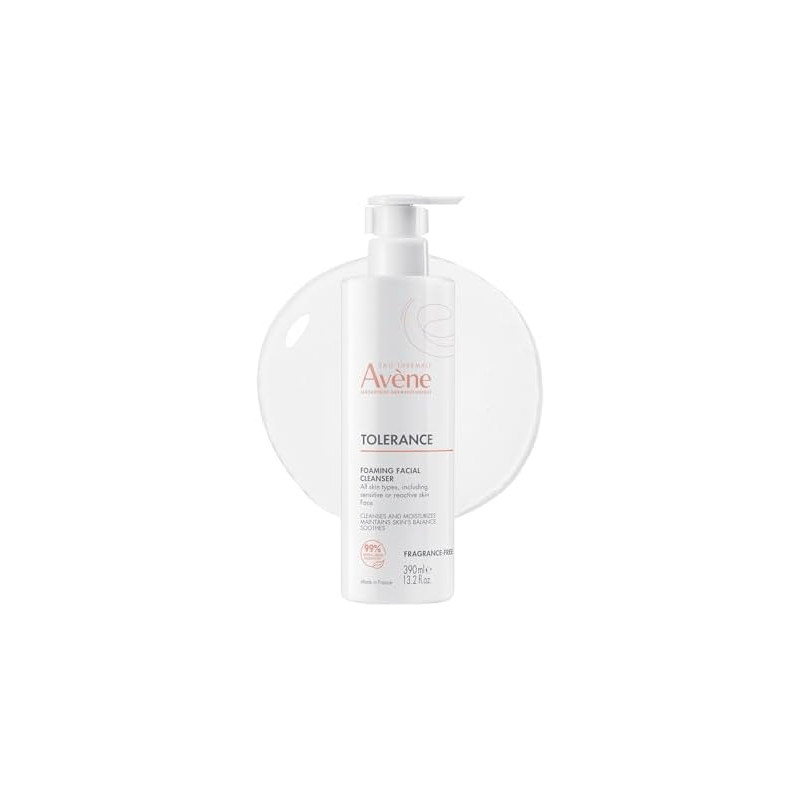
Aftercare is simple and gentle. Wash with your fingertips, and once your provider okays it, a soft cleanser free of fragrance, soap, sulfates and alcohol, like Avène Tolérance Gentle Foaming Facial Cleanser, makes an easy first wash. Hold off on actives and exfoliants until your provider gives the go-ahead.
Keep your skin moisturized, too. For the tight, flaky stage a few days in, a thick balm like La Roche-Posay Cicaplast Balm B5+, with panthenol and madecassoside to soothe dry, irritated skin, is a comfortable choice. Check with your provider before putting anything on freshly needled skin.

And stay out of the sun. When makeup is still off-limits but you need to head out, a fragrance-free tinted mineral sunscreen like Babo Botanicals Daily Sheer Tinted Mineral Sunscreen SPF 50 blends in with little white cast on most skin tones.
Matching the treatment to your skin goal
Rolling or boxcar acne scars? PRP microneedling is worth raising with a board-certified dermatologist, alongside microneedling with a peel and laser options. Ask what they’d expect after three sessions rather than one.
Mostly after an all-over glow? Plain professional microneedling may get you most of the way for less money, since nobody has shown the blood adds much for glow.
Found a bargain price at a spa with no doctor? Pass on it. That’s exactly the setup behind the New Mexico case.
Have deeper skin? Ask the provider how they keep color changes to a minimum, and look elsewhere if the answer is vague.
On blood thinners, pregnant, or in an eczema or cold sore flare? Wait for now. If you’re unsure whether seeing a specialist first is worth it, our guide to whether a dermatologist visit is worth it can help.
Pain, results and safety
Does a vampire facial hurt? Not much for most people, since clinics numb your skin first. Afterward, expect a sunburn-like feeling that usually fades within a few days.
How long do vampire facial results last? Results build slowly over a few months. Improvement in acne scars can last, while the glow fades sooner, so some people book occasional maintenance sessions.
Can you get HIV from a vampire facial? Not at a clean, licensed clinic that uses sterile, single-use supplies and your own labeled blood. The New Mexico infections came from an unlicensed spa, so if you were treated somewhere you now doubt, ask your doctor about testing.
Can you do a vampire facial at home? No. PRP needs a blood draw and a centrifuge in a clinic, and at-home needling that breaks the skin can cause infection and scarring. You’ll find more on skin treatments in our skin archive.


