
Moxi is a quick, gentle laser that can brighten early sun spots, dullness and uneven tone for a while, which is a nice thing for a laser to do even if it isn’t the anti-aging shield it’s often sold as. Made by Sciton, it takes about 8 to 10 minutes a session with very little downtime, and the maker suggests a series of two to four. Expect some short-lived redness and swelling, and be strict about sunscreen afterward. It’s a good fit if you’re in your late 20s or 30s with a few early sun spots and want a modest refresh. It won’t fix deep wrinkles, sagging or real scarring, and if you have deeper skin or melasma, who holds the laser matters more than the brand name on it.
How Moxi works on your skin
Moxi is a “fractional” laser, so instead of treating your whole face at once, it heats thousands of tiny dots and leaves the skin between them untouched. The American Society for Dermatologic Surgery (ASDS) says that’s the reason this kind of laser heals so much faster. It’s also “non-ablative,” meaning it doesn’t remove the top layer of skin. There’s no open wound, just heat that nudges your skin into making new collagen.
Its wavelength, 1927 nm, works close to the surface, reaching about 100 to 200 micrometers deep according to Sciton, which is the top layers of skin. That happens to be right where freckles, early sun spots and sun-dulled skin live. It’s also why Moxi is so quick and gentle, and why it has clear limits.
There are three strength levels, ranging from a light “prevent and refresh” setting up to a stronger “transform and renew” one. Your provider chooses the setting, and that choice really is the treatment, so ask which one they plan to use and why.
What “prejuvenation” can and can’t promise
Sciton aims Moxi at “the prejuvenation demographic,” meaning younger patients who’d like to put off looking older. Wanting that is completely fair, but it’s still an unproven claim for this device, since nothing has followed people long enough to show that a few Moxi sessions in your 30s change how your skin looks at 50.
The research we do have is short-term. In one small study, women who had two Moxi treatments a month apart saw their brown spots fade noticeably within a month. By three months the color had started creeping back, likely thanks to summer sun, which suggests touch-ups may be needed to keep the glow going. Nobody had serious side effects. The study was small, ran at a single clinic and didn’t include the deepest skin tones, so it supports Moxi for brightening early sun damage for a while rather than preventing anything. The one habit with real evidence for slowing visible sun aging is still daily sunscreen.
Your appointment and the days that follow
A numbing cream usually goes on first, though Sciton says it’s mainly needed at the stronger settings. The handpiece has a rolling tip that glides over your skin, and the laser part takes about 8 to 10 minutes. It usually feels warm and prickly rather than painful.
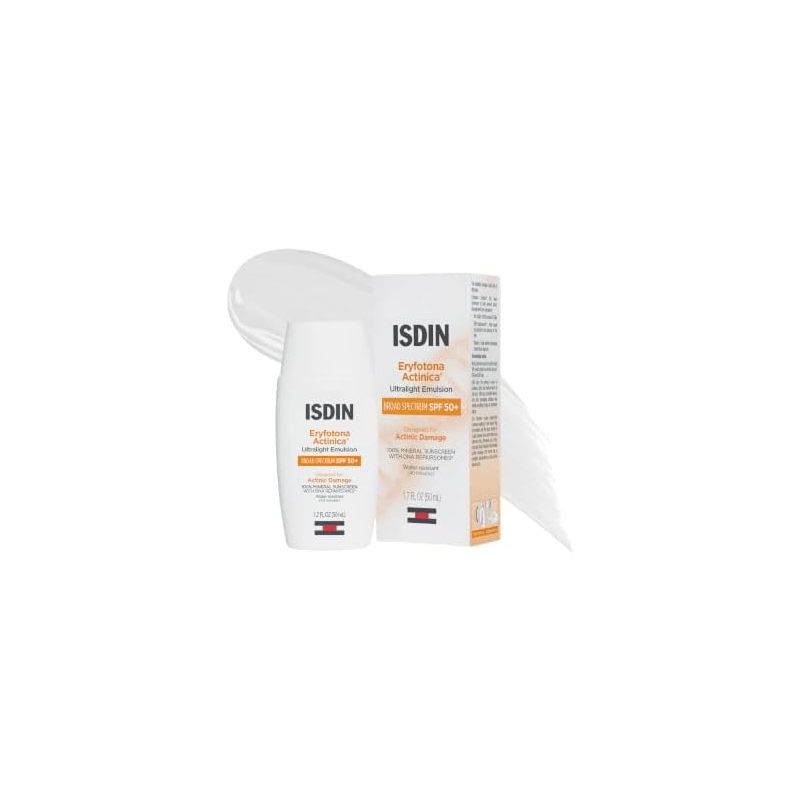
Skin surgeons describe recovery from lasers like this as easy, and most patients head straight back to work. Wash with a gentle, soap-free cleanser like Bioderma Sensibio Foaming Gel, using your fingertips and lukewarm water, and keep the area moisturized with a plain, fragrance-free gel cream like Aveeno Calm + Restore Oat Gel Moisturizer. Try not to sleep on the treated side so swelling doesn’t linger, and use cold compresses for any discomfort. Stay out of the sun as much as you can and wear a broad-spectrum SPF 30 or higher every single day, such as ISDIN Eryfotona Actinica SPF 50+, an all-mineral formula that’s light enough for makeup. Makeup can cover the redness, though a tinted mineral sunscreen like Badger Tinted Face Mineral Sunscreen SPF 40 often does the job on its own.
Results show up slowly and can take several months to fully appear, sometimes over a series of sessions. While you heal, be gentle, which means no scrubs, no exfoliating acids and no picking at anything that flakes.
Moxi vs BBL vs Fraxel
| Moxi | BBL | Fraxel Dual | |
| What it is | A 1927 nm non-ablative fractional laser | Broadband light (an IPL-type device), not a laser | A non-ablative fractional laser with two wavelengths, 1550 nm and 1927 nm |
| What it targets | Water in the top layers of skin | Pigment and small blood vessels | 1927 nm for surface pigment; 1550 nm reaches deeper |
| Best known for | Early sun damage, dullness, uneven tone | Brown spots, freckles and redness | Pigment plus fine lines and some scars |
| Darker skin | Sciton says all skin types; needs careful settings | Generally not recommended for deeper skin tones | Studied in skin types III to VI; lower settings mean less darkening |
BBL is a light treatment rather than a laser, and it goes after color, both brown spots and the pink of tiny blood vessels, which makes it the better choice for redness. It’s also riskier on deeper skin, because your skin’s natural color soaks up the light too. Our guide to the face BBL covers it in detail. Sciton makes both, so you’ll often see “Moxi plus BBL” on the same spa menu.
Fraxel is the older, broader option, and its Dual model pairs Moxi’s wavelength with a deeper one. The deeper laser can treat fine lines, uneven color and several kinds of scars, while the shallow one handles surface spots. So if you can feel the texture that bothers you, or you’re dealing with acne scars, you’ll want something that reaches further than Moxi. Our look at laser resurfacing for acne scars walks through those options.
Good candidates, and who should hold off
Moxi makes the most sense for light to medium skin with early, surface-level concerns, like a handful of new sun spots or a dull, uneven look. The short downtime is a bonus if you can’t take a week off.
It isn’t the right tool for sagging or jowls, since no laser working at this depth lifts anything, and the same goes for deep wrinkles, pitted acne scars or hoping one session will do it all. It may also not suit people with certain long-term health conditions. For laser and light treatments in general, the ASDS advises holding off if you’ve recently taken isotretinoin, tend to form keloid scars, are pregnant, have a fresh tan or sunburn, have active acne or take blood thinners. Let your provider know if you get cold sores, too, because laser heat can trigger one.
On darker skin, Sciton says Moxi can treat all skin types because it targets water in the skin rather than color. The research behind that is thinner than the marketing, though. A review of the Fraxel Dual on medium to deep skin found that dark marks after treatment showed up less often at gentler settings, and it called for more research in the deepest skin tones. The American Academy of Dermatology (AAD) says darker skin is more likely to burn or develop dark marks after laser treatments, so work with a board-certified dermatologist who has real experience treating darker skin with lasers.
How much Moxi costs
The American Society of Plastic Surgeons (ASPS) doesn’t publish a Moxi price, but its latest average fee for laser skin treatments in general is $697 per procedure. That covers the doctor’s fee only, not facility costs, and prices vary a lot from city to city. Multiply it by the number of sessions you’re quoted, since a series is the norm. Insurance treats it as cosmetic, so plan on paying the full amount yourself.
Side effects to watch for
The ASDS lists the possible risks of this kind of laser as skin turning temporarily lighter or darker, scarring, swelling and redness. Some redness and swelling are completely normal. Dark marks are the one to keep an eye on, especially on medium to deep skin or if healing skin catches some sun. Scarring is possible, though treating tiny dots instead of the whole surface is meant to lower those odds. Call your provider if you notice blisters, crusting that spreads, pain that gets worse instead of better, or dark patches once the redness fades.
Should you book Moxi?
If you’re in your late 20s or 30s with a few new sun spots and a dull look, Moxi is a sensible first laser. Book a consultation, ask about a series at a light setting and count sunscreen as part of the cost. If redness and visible blood vessels bother you most, ask about BBL or another treatment made for redness, since Moxi isn’t built for red. And if you have acne scars or texture you can feel with a fingertip, ask a dermatologist about deeper options, because a gentle laser won’t reach them.
If you have medium to deep skin or melasma, choose the provider before the device. Ask how many people with your skin type they’ve treated with this laser, and ask about a test spot. If your main goal is to “prevent aging,” start with sunscreen every day, all year, and come back to Moxi later if there’s something specific to treat. A light peel goes after some of the same surface problems, so our guide to chemical peel levels is worth a look too. Whoever you book, look for a board-certified dermatologist or plastic surgeon, or a clinic where one supervises in person. Our take on whether a dermatologist visit is worth it covers what a good consultation should include, and there’s more on lasers and skin in our skin archive.


