
The most common mistake with pico lasers is booking straight off the ad. Med spas sell them with lines like “Pico facial,” “Pico toning” and “Erase your sun spots in one session.” It sounds very futuristic, and the before-and-afters look great. Before you book, it helps to know what the word pico means, what these lasers are cleared to do, and what the research shows.
The “pico” is about speed. These lasers fire in picoseconds, trillionths of a second, where older lasers fire in nanoseconds. Each burst shatters ink or brown pigment into tiny bits your body clears over the next few weeks. PicoSure and PicoWay are the big names, cleared in the US for tattoos and brown spots, and some versions for acne scars and wrinkles. You’ll still need several sessions, a skilled provider and serious sunscreen.
What a faster pulse changes
Tattoo ink and clumps of brown pigment are tiny targets in your skin, but they’re too big for your body to carry off on its own. A laser heats them so fast they break into smaller pieces, which the body can then clear. Pico lasers do it in a shorter burst.
The older tools are called Q-switched lasers, and they fire in nanoseconds, billionths of a second. They’ve removed tattoos for decades and still work. The American Society for Dermatologic Surgery (ASDS) groups the two together, since both send the very short, strong pulses it takes to break up ink.
Is pico better than the older lasers?
Three small trials give a fair picture, and they don’t all agree.
In the first, from Massachusetts General Hospital, doctors treated half of each of 16 black tattoos with pico and half with the older laser. The pico half faded more in 12 of the 16.
A bigger trial in France split 49 tattoos in half the same way. A fade of 75% or better showed up in 33% of the pico halves and 14% of the older-laser halves. Multicolored tattoos did no better with either, and pico tended to hurt less.
A German trial treated 30 black tattoos and found no difference in fading after two sessions. The gap was pain. Patients rated the pico side 3.8 out of 10 and the older laser 7.9.
Put together, pico may clear black ink a bit faster and usually hurts less. It won’t make a stubborn tattoo easy, though, and a skilled provider with an older laser can still beat a beginner with a shiny new machine.
What PicoSure and PicoWay are cleared for
The FDA clears each laser for specific uses, one wavelength at a time.
| Device | Cleared uses (from the FDA clearance) |
| PicoSure, 755 nm | Tattoos and benign pigmented lesions, including nevus of Ota, Hori macules and melasma |
| PicoSure with the Focus lens array | Acne scars and wrinkles in skin types I to IV |
| PicoSure, 532 nm and 1064 nm | Tattoos and benign pigmented lesions (532 nm limited to skin types I to III) |
| PicoWay, 1064 nm | Black, brown, green, blue and purple tattoos in all skin types; melasma in types I to IV |
| PicoWay, 532, 730 and 785 nm | Specific tattoo colors (red, yellow, orange; green and blue) in lighter skin types; some brown spots |
| PicoWay Resolve handpieces | Acne scars in skin types II to V; wrinkles in types I to IV |
Different ink colors need different wavelengths, so no single setting treats every tattoo. The skin-type limits matter too. Many of these clearances stop at type III or IV, which is important if your skin is brown or deep brown.
“Cleared” means the FDA found the device close enough to others already sold for that use. It doesn’t mean it’s the best choice for your spot, your skin or your budget.
Brown spots, freckles and melasma
For sun spots and freckles, the ASDS lists IPL and a few types of laser, including the short-pulse kind. The short-pulse lasers may need only one or two sessions, but they come with about a week of downtime and a higher risk of the spot turning temporarily darker afterward. IPL is gentler that way but takes more sessions. Pico lasers are short-pulse lasers, so ask your provider how much downtime and darkening to plan for.
Melasma is a harder problem. Sun, hormones (including birth control pills) and even stress can set it off. The American Academy of Dermatology (AAD) says a few studies found that adding a laser can help people who are already using a medicated cream and protecting their skin from the sun. A laser is an add-on to a melasma plan, never the whole plan, and anyone promising a one-session melasma fix is overselling.
Texture and the “pico facial”
When a clinic sells a “pico facial” or “pico toning,” ask what that means. The texture versions use a special lens, like PicoSure’s Focus array or PicoWay’s Resolve handpieces, that splits the laser into many tiny dots instead of one even beam. Those are the ones cleared for acne scars and wrinkles.
One New York practice looked back through the charts of 56 patients with skin types IV to VI who had the 755 nm PicoSure with its lens for scars, pigment or stretch marks. The side effects, mostly redness and darkening, were temporary in everyone they followed up with. It’s one clinic with nothing to compare against, so it shows these treatments can be done carefully on deeper skin, not that they’re risk-free.
For deep, pitted acne scars, pico is one option among several. Our guide to laser resurfacing for acne scars walks through the stronger ones.
If your skin is brown or deep brown
Darker skin is more likely to burn or get dark marks after laser treatments, so the standard advice is to see a board-certified dermatologist with experience lasering darker skin.
Wavelength matters here. PicoWay’s 1064 nm is cleared for tattoos in all skin types, while its shorter wavelengths are limited to lighter skin. Ask which wavelength they plan to use and ask for a test spot. Expect gentler settings and more sessions. The ASDS also says a test spot should always come before tattoo removal because of the darkening risk.
Pico pricing per session
The American Society of Plastic Surgeons doesn’t track pico prices on their own. Its latest average fee for laser skin treatments in general, tattoo removal included, is $697 per session. That’s the doctor’s fee only, and it varies a lot by city. Pico comes in a series, so multiply by the number of sessions you’re quoted. Insurance won’t cover cosmetic laser work.
Redness, spots and other pico risks
Expect redness and swelling right after, and sometimes tiny spots of bleeding or small blisters, especially with tattoos. Some people get light or dark spots that usually fade within 6 to 12 months. Scarring, texture changes and burns are more common when the person treating you has no medical training. Skin can lighten or darken, and both are more likely on deeper skin or when healing skin gets sun. Some inks, including white, skin-toned and some cosmetic tattoo colors, can turn darker instead of lighter. If you notice spreading redness, pus or pain that gets worse, call the clinic.
Caring for your skin after a session
Aftercare for pico is pleasantly boring. You wash gently, keep the area from drying out and keep the sun off it while it heals. Skip acids, scrubs and brightening serums until your provider says the skin is ready, since they can sting and irritate freshly treated skin. Follow your clinic’s instructions first. These three cover the basics in the order you’d use them.
A wash that won’t sting
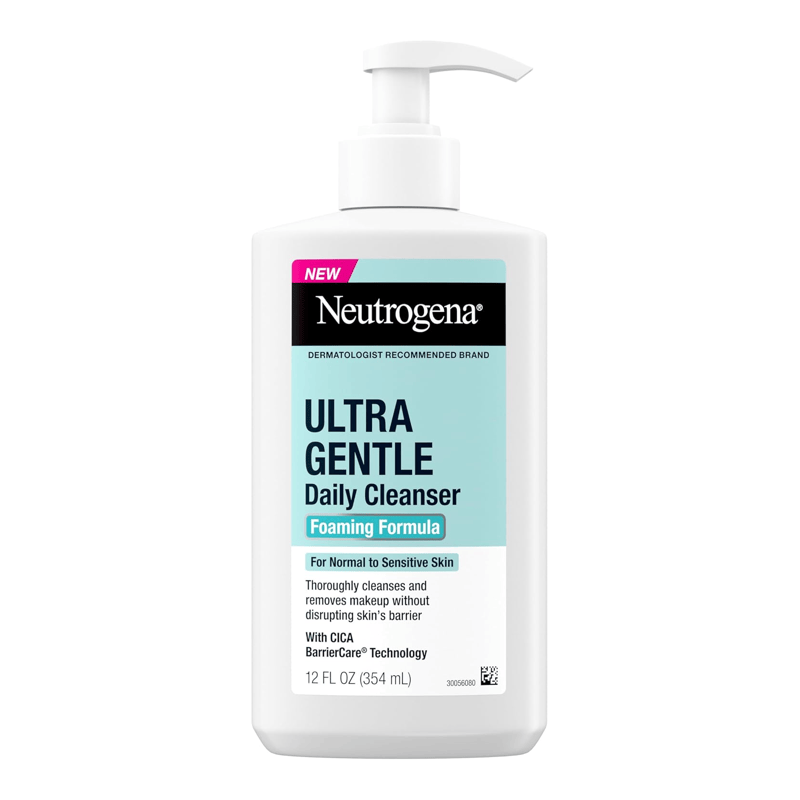
Neutrogena Ultra Gentle Daily Cleanser is a fragrance-free foaming wash that won’t clog pores, with centella asiatica, a calming plant extract. It’s about $10 for 12 ounces, so one bottle lasts through a whole series. Use your fingertips and lukewarm water, never a brush or washcloth, and pat dry with a clean towel.
A thin layer of protection

If your provider says to use an ointment, CeraVe Healing Ointment is a dependable pick at about $10 for 3 ounces. It’s 46.5% petrolatum with ceramides and hyaluronic acid, and it has no lanolin, dyes, preservatives or fragrance. A thin layer keeps the treated spot from drying out and cracking while it heals, which is especially handy after tattoo sessions that leave a little crust.
Tinted mineral sunscreen every morning

Sun is the biggest threat to your results, since it can bring pigment right back. Australian Gold Mineral SPF 50 Tinted Face has 4% titanium dioxide and 4% zinc oxide, no fragrance and a powder-matte finish, in Fair to Light, Medium to Tan and Rich to Deep. The tint matters. The AAD recommends tinted sunscreen with iron oxide for dark spots, because iron oxide also helps block visible light, and this one has it. It’s about $19. Start once the treated skin has closed and stopped flaking. It also has eucalyptus extract, so patch test if your skin is touchy.
Is it right for you?
Want a black tattoo gone? Pico is a good choice, mostly for comfort and maybe speed. Ask how many sessions they expect, and trust the provider’s photos of similar tattoos over the machine’s name.
Colorful tattoo? Ask which wavelengths the clinic has. One machine with one wavelength won’t clear every color.
A few sun spots on light skin? Pico, a Q-switched laser or IPL can all work. Compare prices and downtime, not buzzwords.
Melasma? Start with a dermatologist, daily tinted sunscreen and a skin cream plan. Ask about a laser only as an add-on, and only from someone who treats melasma often.
Brown or deep brown skin? Ask for 1064 nm where it applies, a test spot, and a provider who can show you results on skin like yours. Our explainer on laser vs IPL vs electrolysis uses the same wavelength logic for hair removal.
Booking a pico laser, quick facts
How many pico laser sessions do you need? It depends on what you’re treating. Brown spots may take one or a few, while tattoos usually take many, spaced weeks apart.
Is a pico facial a good use of money? For texture or acne scars, it’s one gentler option among several. For general glow, a good sunscreen habit does more for the money.
Who should do pico laser treatments? A board-certified dermatologist or plastic surgeon, or a clinic where one supervises in person. Our post on whether a dermatologist visit is worth it covers what to ask at the first appointment.
A pico laser is a faster, usually less painful version of lasers dermatologists have used for years. It’s a strong choice for tattoos and brown spots and a fair one for mild scarring, but it won’t fix melasma alone. Pick the provider, the wavelength and the sunscreen as carefully as the machine. More is in our skin archive.


