
A coworker swears by her Botox place. Your feed is full of glowing before-and-afters from a spot that just opened next to the Target. A coupon app wants to sell you three syringes of filler for less than a car payment. Picking a med spa can feel like picking a brunch place, and that’s exactly the problem, because what happens there is medicine.
The first thing to find out is who’s actually holding the needle. The safest setup is a practice run or closely supervised by a board-certified dermatologist, plastic surgeon or facial plastic surgeon. The person treating you should be licensed, named ahead of time and trained in your exact treatment. State rules on supervision vary a lot, so the checking falls to you. It takes about twenty minutes, and the sections below walk you through it.
What “med spa” can mean
The name sounds like it comes with rules. In practice it covers everything from a dermatologist’s own clinic to a strip-mall suite with a ring light and a website. How much training and supervision is required changes from state to state.
One mystery-shopper study in the journal Dermatologic Surgery called 127 med spas around Chicago. At about 81% of them, no supervising doctor was on site, and only about 65% told callers so. That doesn’t make every med spa unsafe. It does mean a Botox menu doesn’t put a doctor in the building.
These are medical treatments with complications that can be serious, like a blocked blood vessel from filler or a burn from a laser on the wrong setting. You want someone who spots those early and knows what to do.
The people who should be treating you
The American Society of Plastic Surgeons (ASPS) calls a med spa run by a specially trained doctor the gold standard, ideally a board-certified plastic surgeon, facial plastic surgeon or dermatologist. The American Society for Dermatologic Surgery (ASDS) says a doctor should do the procedures or directly supervise them.
That doesn’t mean only a doctor can treat you. Non-doctors do most cosmetic treatments at med spas, and depending on your state, a licensed nurse or other provider may be allowed to inject. What counts is this:
- The person treating you has a current license you can look up.
- They’re trained and practiced in your specific treatment, beyond a general injectables course.
- A qualified doctor supervises them as your state requires and can be reached if there’s a problem.
- You know their name before the appointment, and nobody swaps them out on the day.
To check, look up your provider’s and the medical director’s licenses on your state’s licensing board website. For board certification, ask which board certified the doctor and check with that board. The national dermatology and plastic surgery groups also have find-a-doctor directories. If the website hides the medical director’s name, or the bios show only first names and titles like “aesthetic specialist,” ask. A good practice answers without getting prickly.
Questions for your first call
- Who owns and runs this practice, and who is the medical director?
- Who will treat me, and what’s their license and training for this treatment?
- Is a doctor on site while you treat patients? If not, how fast can you reach one?
- Where do you buy your products? You want to hear “straight from the maker” or an authorized distributor.
- Will you draw the product from a labeled vial in front of me?
- What problems should I watch for, and who do I call after hours?
- If something goes wrong, will the person who treated me be involved in my care?
- For filler, do you keep hyaluronidase on hand? It’s the enzyme that dissolves the most common type of filler, and a blocked blood vessel needs it right away.
- For microneedling, do you use a new needle cartridge for every patient? Reusing one is unsafe, even if it’s been cleaned.
A proper consultation before treatment and a consent form to sign are good signs. A same-day “consult” that’s really a sales pitch isn’t.
When to walk out
Botox that’s far cheaper than everywhere else deserves suspicion. ASPS warns that very low prices may mean lower-quality products or less experienced providers. The CDC puts it more bluntly, saying injections can be pricey but the risk is too great not to use FDA-approved products every time.
Unlabeled vials, toxin drawn up out of sight, or a box you can’t read are all reasons to leave. The FDA has warned about fake Botox found in several states and linked to hospital stays, with symptoms like blurry or double vision, trouble swallowing or breathing, and weakness. Real Botox lists “onabotulinumtoxinA” as the active ingredient. The fakes said “Botulinum Toxin Type A,” came in a 150-unit size the maker doesn’t sell, or had boxes not in English. Some were injected by licensed people.
Watch for a few more warning signs, too:
- No doctor anyone can name, not on the website, at the desk or on the consent form.
- Treatments too big for the setting. Sedation, being put under and liposuction belong in an accredited surgery center or hospital.
- Filler or toxin offered for home use. Neither is approved for over-the-counter use, and the FDA advises against buying filler online because it could be fake or unapproved.
- Choosing by social media alone. A great feed proves someone is good at photos. Ask to see the injector’s own before-and-afters of faces like yours.
The first few days after your treatment
You should leave knowing what’s normal, what isn’t and who to call. Bruising, swelling, small lumps and a slightly uneven look happen with careful injectors too, and they usually settle on their own. Your skin will also be more sensitive than usual, especially after a laser, peel or microneedling, so keep things simple at home. These three cover the basics, in the order you’ll reach for them.
Something cold for swelling
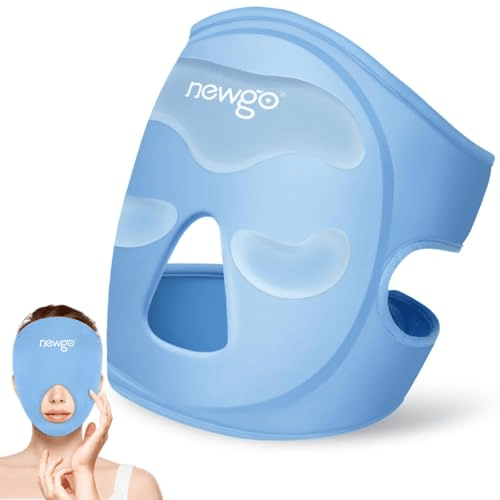
Cold helps with swelling after filler, and the NEWGO Cooling Face Eye Mask makes it easy. It’s a reusable gel mask that lives in your fridge or freezer. Wrap it in a thin cloth and rest it lightly on the area instead of pressing on fresh product, and ask your injector how soon you can use it. It’s about $13.
A plain cleanser for treated skin
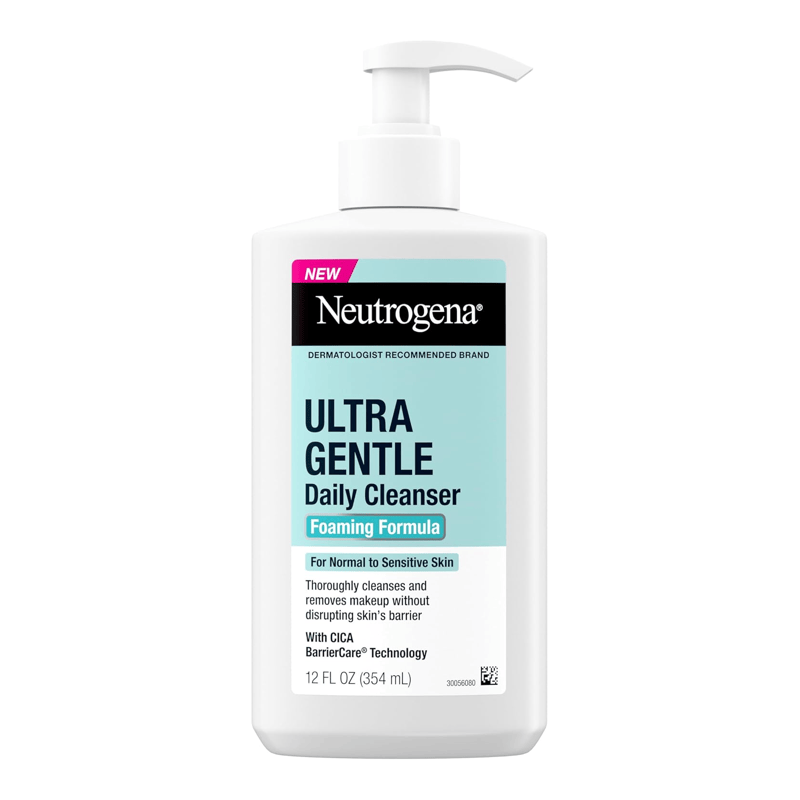
Freshly treated skin wants the most boring wash you can find, and Neutrogena Ultra Gentle Foaming Facial Cleanser fits the bill. It’s made for sensitive skin, with no fragrance, soap, dye, sulfates or alcohol, and it rinses clean without that tight feeling. It’s about $10.
Tinted sunscreen once you’re cleared

Ask your provider when sunscreen can go back on after a laser or peel. After that, Australian Gold Tinted Mineral Face Sunscreen SPF 50 is a great everyday pick. It’s a fragrance-free mineral formula in three tints, Fair to Light, Medium to Tan, and Rich to Deep, and the tint is a nice help on no-makeup days while your skin calms down. It’s about $19.
Warning signs that can’t wait
Rarer problems are more serious. Filler can get into a blood vessel and damage skin or, near the eyes, vision. Lasers and needling can burn or leave dark marks. A good med spa lowers these risks, catches problems early and treats them fast.
For Botox and similar toxins, the CDC says to see a doctor or go to the ER right away for blurry or double vision, droopy eyelids, trouble swallowing or breathing, or muscle weakness. Those can start hours to weeks after the shot. For filler, get help right away for unusual pain, vision changes, or skin near the spot turning white, gray or blue. If you can’t reach the practice, or it involves your vision, breathing or swallowing, go to the ER instead of waiting to see if it settles.
For day-to-day expectations, see our injectables guide and our breakdown of how long injectables last, which also helps you spot a practice pushing top-ups you don’t need. If something looks off months after filler, our guide to signs of filler migration can help, and our post on when a dermatologist visit is worth it covers the less urgent calls.
Matching the advice to your situation
If it’s your first injectable, book a consult with a board-certified dermatologist or plastic surgeon, or a practice one runs, even if you go elsewhere later for upkeep. You’ll learn what your face needs from the best-trained person in the room.
If you love your injector but they work at a chain, you don’t have to leave. Ask the questions above once, and if the answers are good, stay.
If a price is half what everyone else charges, assume something’s being cut, the product or the training, until someone shows you otherwise. ASPS figures put the average fee for hyaluronic acid filler at around $715 for the injector alone, and prices vary by city.
If you’re getting a laser and have deeper skin, ask how many patients with your skin tone they treat and which devices they use. A vague answer means keep looking.
Can a nurse do your Botox? That depends on your state. Where it’s allowed, check their license and ask who supervises them and how involved that doctor is. And if you already had treatment somewhere that didn’t seem clean, especially anything with needles or blood, ask your doctor whether you should be tested for blood-borne infections.
The best med spa is one where you can name the doctor, see the vial and reach someone at 10 p.m. Your face is worth one slightly awkward chat at the front desk. There’s more on treatments in our skin archive.


