
The fat pad at the center of buccal fat removal is only about the size of a grape, yet taking it out can change the whole look of your lower face. The surgery promises sharper, more sculpted cheeks for good. It takes out a small pocket of fat in the hollow of each cheek, usually through a cut inside the mouth, so there’s no scar anyone can see.
Surgeons keep raising one big warning, though. The cheekbones you get from this surgery in your 30s may not be the face you want at 50, because faces lose fat as they age anyway. Take out too much now, and you can look hollow or older later. It suits a small group: people with full, round cheeks, a stable weight and skin that still bounces back. Below is what to know before you book a consult, from who it suits to what recovery looks like.
What the buccal fat pad is
It sits between your cheek and jawbone, and it’s part of what makes cheeks look full. New York plastic surgeon Alan Matarasso has said it’s about the size of a grape but shaped more like a pancake. “It’s what you see in babies with chubby cheeks,” he said.
The size varies a lot from person to person, and the two sides of one face may not match. That’s one reason the same surgery can give two people very different results. Taking it out makes your bones stand out more, a lot like the shadow you get when you gently suck in your cheeks, the trick models have used in photos for decades. Surgery makes it permanent.
Why it suddenly got so popular
The surgery has been around for decades, often done quietly alongside a facelift. Then social media found it. Celebrity rumors, a few public admissions and hours spent looking at ourselves on video calls made it mainstream. Plastic surgeon Omar Hussain has said most of his buccal fat patients are in their 20s and 30s.
That’s what worries some surgeons. The people asking now are younger, and many don’t have extra buccal fat to begin with.
The volume you’ll want at 50
A rushed consultation can skip this part. A full face looks young, and a hollow one looks older. Faces lose fat on their own over time, buccal fat included.
A group of plastic surgeons looked closely at how much of the pad should come out. One of them, Ira Savetsky, said a surgeon who pulls a little too hard can take out more than planned very quickly, and whatever’s left keeps shrinking with age. “20 years from now, you may look too thinned out and prematurely aged,” he said.
Another surgeon in that group, Rod Rohrich, was blunter. “For every five patients I see who want their buccal fat pads removed, only one really needs it.” He said a heavy lower face often comes from a strong jaw muscle, the jawline or the neck instead, and each has a different fix. “Fat in the face is precious,” he said.
Hussain put it plainly. Trade a full cheek for a groove in the middle of it, and “you’ve advanced your perceived age by a decade or more.” He urges caution with any fat removal from the face.
Not every surgeon sees it that way. Some say well-chosen patients age fine after surgery, and that the fear of looking gaunt later is overblown when the right amount comes out of the right face. Some take only part of the pad on purpose. What they all agree on is choosing patients carefully. The result depends on whether you had extra fat to spare.
Who it suits, and who it doesn’t
The American Society of Plastic Surgeons (ASPS) says a good candidate is healthy and at a stable weight, doesn’t smoke, is bothered by full or round cheeks and has realistic expectations about what surgery can do.
Hussain adds that it works best when you can feel buccal fat in the spot that bothers you and your skin is still firm. For older patients or anyone with looser skin, he says it usually needs a facelift too. He also asks patients to hold a stable weight for at least six months first, since a face that’s still changing with weight is hard to judge.
It’s probably not for you if your face is already slim or narrow. Surgeons usually won’t do it on thin faces, because losing that fat can make them look gaunt with age. If you just want a more “snatched” look, contour makeup and a good haircut give you the shadow without borrowing volume from your future face. It’s also the wrong fix if the fullness is really a strong chewing muscle, a soft jawline or loose skin under the chin. Ask what’s causing the fullness before anyone mentions cheek fat. And if you’re over 40 with some looseness in the lower face, read our guide to facelift alternatives before you decide.
Choosing a surgeon
See a board-certified plastic surgeon who does face surgery often. Ask how many of these they do, ask to see before-and-after photos, and ask how much of the pad they plan to take and why that amount. It’s also fair to ask what happens if you don’t like the result. If a surgeon tells you you’re not a good candidate, take it as a compliment.
What happens on the day
The surgeon makes a small cut inside your cheek near the back teeth, removes the fat and closes it with stitches, usually the kind that dissolve. You may be awake with numbing, sedated or fully asleep, especially if it’s paired with another surgery. During a facelift, the fat can sometimes be reached from outside, with no cut in the mouth. You won’t feel the surgery itself, and afterward soreness is handled with whatever your surgeon prescribes or suggests. Try not to poke the stitches with your tongue until your surgeon says it’s fine.
Recovery, from the first night on
Expect swelling and some bruising. Oddly, your cheeks can look bigger, not smaller, for a few weeks before they settle, so your first look in the mirror isn’t the final verdict. Your surgeon’s instructions always come first. The few things below just make the at-home part easier, and nothing goes on the cut itself.
The first few days
You’ll likely rest and ice your cheeks, and you may be on liquids for several days or longer before moving to soft foods. Hussain suggests about five days off work so you aren’t puffy in meetings.
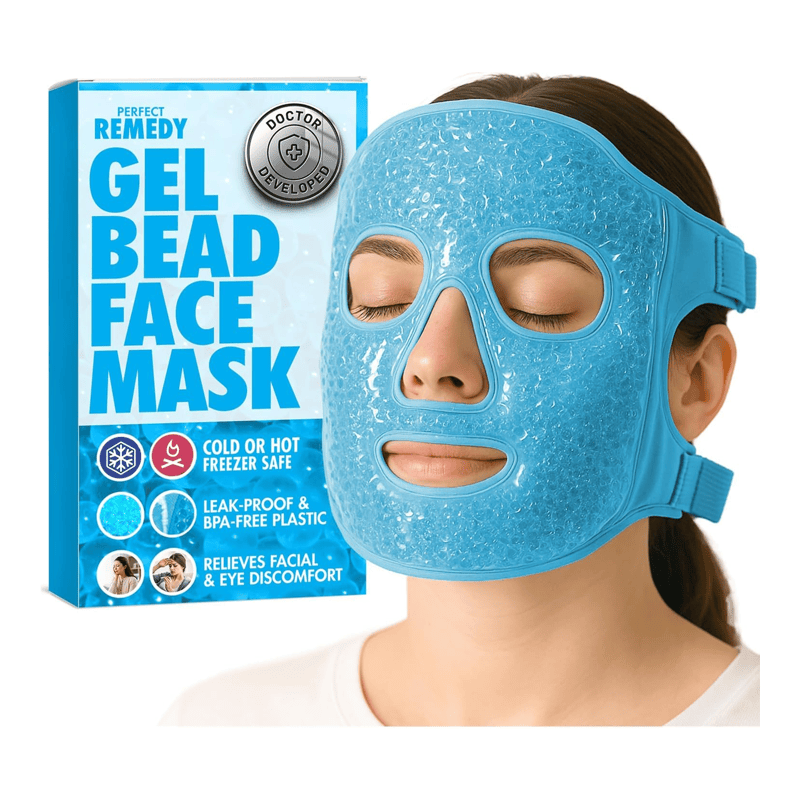
Instead of balancing a bag of frozen peas on each side, the Perfect Remedy Face Ice Pack is a reusable gel mask shaped to your face, so it covers both cheeks at once. Chill it in the freezer and follow your surgeon’s advice on how long, how often and how to protect your skin. It’s about $10.

A few days of liquids and lots of rinsing can leave your lips dry and cracked. Aquaphor Lip Repair is a fragrance-free, preservative-free balm made for dry, chapped lips, and at about $5 it’s a small comfort to keep on the nightstand.
The first two weeks
Your main job now is keeping the cuts inside your mouth clean. Surgeons often suggest a rinse after meals, and Hussain has said his patients use a drugstore hydrogen peroxide rinse after every meal and at night for the first two weeks. Follow whatever your own surgeon says.
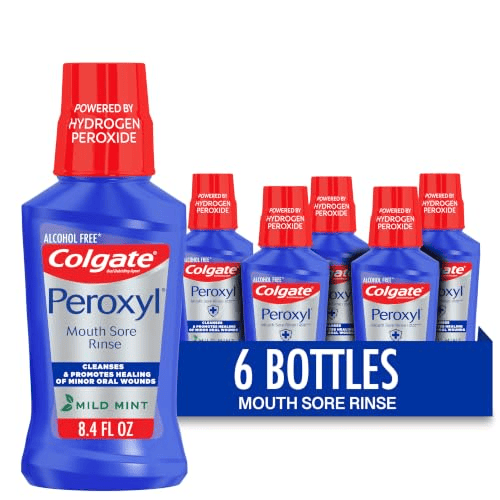
If your surgeon okays a peroxide rinse, Colgate Peroxyl Mouth Sore Rinse is an alcohol-free rinse with 1.5% hydrogen peroxide, made for canker sores and minor mouth wounds, including sore gums after small dental work. Its directions say not to use it longer than 7 days unless a dentist or doctor tells you to, so clear a two-week plan with your surgeon first. If you’re given a prescription rinse, use that instead. It’s about $7 for 8.4 ounces.
Week three and beyond
Many surgeons say the cuts heal in about three weeks. Swelling keeps fading for several weeks after that, and the final shape can take several months to show.
Side effects and risks to know about
It’s quick, but it’s still surgery. ASPS lists these possible risks:
- Anesthesia risks, bleeding, infection and blood clots
- Uneven cheeks
- Injury to a saliva duct
- Injury to facial nerves, which can cause short-term or permanent weakness in face muscles
- Numbness or other changes in feeling
- Fluid building up under the skin, swelling that lingers, or pain that won’t go away
- A result you barely notice or don’t like, and the chance of another surgery
There’s one more that no consent form fully covers. The fat doesn’t grow back, which is the appeal and also the reason to go easy. If you change your mind in your 40s, surgeons usually add volume back with filler or fat transfer, but that’s a patch, not an undo, and filler needs redoing. Our Botox vs filler explainer covers what filler can and can’t do.
Surgeon fees and the extras
ASPS’s latest figures put the average surgeon’s fee at $3,142. That’s the fee only. Anesthesia, the operating room, prescriptions and tests cost extra, and prices vary a lot by city and surgeon. It’s cosmetic, so insurance won’t pay.
Before you decide
Buccal fat removal can look great on the right face, meaning round, full cheeks, a stable weight and skin that still bounces back. For everyone else, it trades a look you want now for volume you may miss later. If you’ve lost weight recently or are still losing, wait until you’ve been stable for at least six months, since your face may change on its own. More on faces, skin and the procedures that change them is in our skin archive.


