
There’s no single best facelift, no matter how often deep plane gets talked up on social media as the luxury version. The right lift is simply the one that matches what your face is doing. The main types differ in two ways, how deep the surgeon works and how much of the face gets treated. A SMAS lift tightens the layer sitting just under your skin, while a deep plane lift goes beneath that layer for a bigger change and a little more nerve risk. A “mini” can mean different things to different surgeons, and a neck lift focuses on the neck, often alongside one of the others.
What a facelift can and can’t do
A facelift (doctors call it a rhytidectomy) is surgery for sagging, and the American Society of Plastic Surgeons (ASPS) is clear about the jobs it’s meant to handle. Those include skin that has relaxed and dropped, deeper folds running from your nose to the corners of your mouth, fat that has slid down or faded away, jowls, and loose skin or fat in the neck.
What’s missing from that list is just as useful to know. Fine lines, sun spots, dull texture and crepey skin aren’t things a facelift fixes, because the surgery moves tissue rather than resurfacing skin. That’s why surgeons so often pair it with filler, fat, a peel or a laser. ASPS also says plainly that a facelift won’t change your basic look and can’t stop aging, so the goal is your same face, just set back a few years.
If you’re reading this in your thirties, it helps to know that the society’s own guide to facelift types was written with patients in their mid-fifties and older in mind. Doing your homework early is smart, but it doesn’t mean you’re ready for surgery yet.
Meet the SMAS, the layer every lift works on
To follow the differences between lifts, you only need one bit of anatomy. Under your skin and fat sits a thin sheet of tissue called the SMAS. It lies over the muscles of your face, connects to them, and drops right along with everything else as you age.
Older facelifts simply pulled the skin tighter and trimmed off the extra, which is where that windswept look came from. Modern lifts work on the deeper layers instead, so the tissue underneath does the lifting and the skin just follows along. Nearly every technique you’ll hear a surgeon mention is really a different way of handling the SMAS.
The SMAS facelift
In a SMAS lift, the surgeon tightens that layer along with the skin over it, either by folding it and stitching it in place or by cutting and moving a section of it. It tends to suit moderate to advanced aging in the lower two-thirds of the face, so think jowls, the folds from nose to mouth, and the lines that run down from the corners of your mouth. One plastic surgeon interviewed by the society put the results at about 10 to 15 years, depending on the person.
The classic cut starts in the hairline at the temple, runs down in front of and around the ear, and ends in the scalp behind it. Some surgeons add a small cut under the chin to work on the neck. The lines are placed so they tuck into the hairline and the natural creases around your ear.
The deep plane facelift
A deep plane lift goes beneath the SMAS. There, the surgeon releases the ligaments, which are the tough little anchors holding your cheek and jowl tissue in place. Once those are freed, the tissue can be moved further without being pulled tight, and surgeons say that means a stronger, longer-lasting lift with less tension on the skin, which can lower the chance of scar problems. It tends to suit heavier sagging, with deep folds, jowls and bands in the neck.
Working that deep does bring the surgeon closer to the nerves that move your face, so the risk of nerve injury is higher, though the same surgeon described it as low in experienced hands. The surgery also takes longer, while the scars end up looking much the same as a SMAS lift. So deep plane is a technique with a specific use rather than an automatic upgrade, and the surgeon you want is one who does it often and will tell you honestly if you don’t need it.
The mini facelift
“Mini” is the slipperiest name of the bunch. The society’s patient page says mini lifts use shorter cuts at the temples and around the ear, are “usually reserved for patients with less skin relaxation,” and give a smaller result than a full facelift.
Beyond that, it means whatever a particular surgeon means by it, and one plastic surgeon even called the term “nebulous.” Most often it’s a lower facelift with the SMAS folded and stitched, frequently done with only local numbing. Other surgeons use the word for a deep plane lift that frees just some of the ligaments, so two surgeons’ “mini” can be completely different operations. It sounds smaller and cheaper, which is the appeal, but if your sagging really calls for more, a mini can leave you disappointed and planning a second surgery. The scars are shorter and sit mostly around the ear, often stopping before the scalp behind it.
Lifting the neck, alone or with the face
A neck lift (a lower rhytidectomy) goes after loose neck skin, fat under the chin, jowls, and the vertical bands of the platysma, the thin muscle across the front of your neck. The surgeon tightens that muscle and trims extra skin, usually through cuts around the ears plus a small one under the chin.
Plenty of people get one without the other. If your cheeks still look fine but your neck has gotten heavy, a neck lift on its own may be all you need. If you have jowls and a loose neck together, doing both at once often makes more sense, since your jawline sits right where the two areas meet.
The mid-facelift, and two lifts that aren’t really lifts
A mid-facelift raises the fat pad in your cheeks back up, which brings back fullness and softens the folds from nose to mouth. It doesn’t mainly treat the jawline or neck, so it’s a better match for flat, tired-looking cheeks than for jowls. The cuts go in the hairline or inside the mouth.
The “liquid facelift” and thread lifts come up a lot, but neither one is a facelift. A liquid facelift uses filler or fat to add volume, and puffing up a face to fake a lift can throw off its proportions, so volume works best as a helpful extra alongside surgery rather than a replacement. Threads give a mild lift that one surgeon estimated lasts roughly three to nine months. And “stem cell facelifts” haven’t been shown to work at all.
How the lifts line up
| Type | What it moves | Usually suits |
| Mini facelift | A smaller lift through shorter incisions; often SMAS plication | Early, mild sagging in the lower face |
| SMAS facelift | Skin plus the SMAS layer, tightened or repositioned | Moderate jowls and folds in the lower two-thirds of the face |
| Deep plane facelift | Tissue beneath the SMAS, with ligaments released | Heavier sagging, deep folds, jowls and neck bands |
| Neck lift | Neck skin, fat under the chin, the platysma muscle | A neck that’s aged faster than the face |
| Mid-facelift | The cheek fat pad | Flat or hollow cheeks rather than jowls |
Facelift risks to talk through with your surgeon
A facelift is real surgery, usually done with sedation or general anesthesia. The known risks include problems from anesthesia, bleeding, blood pooling under the skin (called a hematoma), blood clots and infection. There’s also nerve injury that can cause weakness, numbness or other changes in feeling, along with lasting pain, poor healing, swelling that hangs around, hair loss along the cuts, bad scarring, and results you don’t love, such as one side looking different from the other. In one large study of more than 11,000 facelift patients, hematoma and infection were the most common serious problems, and fewer than 2% of patients had a major complication overall.
Good candidates are healthy, don’t smoke, have no conditions that slow healing, and have realistic hopes for the result. Smoking matters most of all, because it slows healing and raises the risk of complications, so if you smoke or vape, expect a surgeon to ask you to quit first. A surgeon who never brings it up is a red flag.
What a facelift costs
The latest ASPS figures put the average surgeon’s fee at about $11,400 for a facelift and about $7,900 for a neck lift. That covers only the surgeon. Anesthesia, the operating room, lab tests, prescriptions and compression garments all cost extra, and prices swing a lot from city to city and surgeon to surgeon. Insurance usually won’t pay for a cosmetic facelift or for treating its complications.
The first few weeks at home

Recovery looks much the same whichever technique you have, and your surgeon’s instructions always come first. Surgeons usually want your head raised early on to help keep swelling down, and a foam ramp like the Bedluxe 10-Inch Bed Wedge Pillow is far easier to sleep on than a stack of pillows that slides apart in the middle of the night.
Once you’re cleared to wash your face, plain and gentle is the goal. Vanicream Gentle Facial Cleanser is soap-free and pH-balanced, with no plant extracts or essential oils.
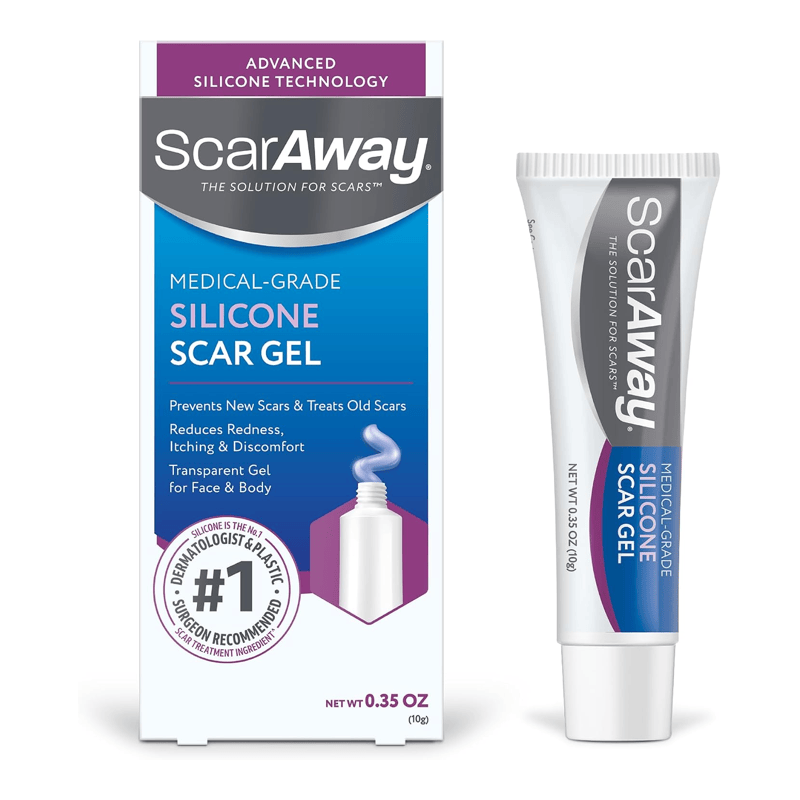
After the wound has closed or the stitches are out, a thin coat of a silicone gel like ScarAway Silicone Scar Gel twice a day can help the scar settle. It isn’t for open wounds, and some surgeons have their own scar routine, so ask when to start.
Keep fresh scars out of direct sun for about six months. Plastic surgeons tend to prefer mineral formulas on them, like La Roche-Posay Anthelios Mineral SPF 50 Gentle Lotion, and any sunscreen goes on healed skin only, never on open or broken skin.
Matching the lift to your face
If you’re in your thirties and only just noticing a softer jawline, you’re almost certainly not shopping for any of these yet. The nonsurgical options make a better starting point, and our guide to alternatives to a facelift walks through them.
If a surgeon offers you a “mini,” ask exactly what it involves, including which layer they’ll work on, whether any ligaments get released, how long the cuts will be and what result they expect, because the name alone tells you very little. If your neck bothers you most, ask whether a neck lift by itself would do the job before you sign up for a full face-and-neck lift, since sometimes it will.
If deep plane is the only term you walked in knowing, let the exam decide. A good surgeon picks the technique after feeling your tissue, not from a photo you bring in. And if your cheeks look hollow rather than droopy, a lift may not be the answer at all, because lost volume and sagging are different problems. Filler or fat may help with volume, and a mid-facelift sits somewhere in between.
Facelift basics, quickly
How long does a facelift last? Often around 10 years or more. Your skin, genes, sun habits and weight changes matter as much as the technique, and you keep aging either way.
How long is facelift recovery? Plan on about 10 to 14 days before you look presentable. It takes two to three months for your face to feel normal again.
What is the best age for a facelift? There isn’t one. Most people who have one are in their forties to sixties, but your skin and goals matter more than the number.
Can you get eyelid surgery at the same time as a facelift? Yes, they’re often done together. Ask a board-certified plastic or facial plastic surgeon whether that makes sense for you, and see our explainer on eyelid surgery. There’s more on skin and procedures in our skin archive.


