
There’s a good chance a bottle of witch hazel is sitting in your bathroom cabinet right now, maybe one your mom kept by the sink or one you picked up for a bug bite last summer. It’s been a drugstore staple forever, and lately it’s back in every skincare routine video, swiped across shiny foreheads with a cotton pad. Is it worth putting on your face?
It depends a lot on your skin and on which bottle you grab. Witch hazel can be a refreshing toner for oily skin that never stings. For dry, sensitive or easily irritated skin, it often causes more problems than it solves. The biggest factor isn’t the plant at all. It’s whether the bottle has alcohol in it. Below we cover what witch hazel does, who should pass on it, how to use it, and four toners that range from gentle to classic.
What witch hazel does on your face
Witch hazel comes from a shrub, and the liquid made from its bark and leaves is an astringent. An astringent tightens the surface it touches, and that’s the whole appeal. Swipe it on and your face feels clean, cool and a little snug, and the shine is gone for a while.
That feeling doesn’t last, and witch hazel isn’t a treatment. It won’t clear acne or change your skin type. It’s an optional step that some oily faces enjoy and other faces pay for. The plain witch hazel sold as a first-aid liquid also relieves minor skin irritation from bug bites, small cuts and scrapes, which is a handy body use. If one of those gets worse or hasn’t cleared up in a week, see a doctor.
Why the alcohol matters so much
Classic witch hazel is made by distilling the plant, and the finished liquid usually carries about 14% alcohol. That alcohol gives you the instant fresh, tight feeling, and it’s also what can leave skin dry, flaky or burning. The American Academy of Dermatology tells anyone with dry skin to stop using products that contain it.
Alcohol-free versions use witch hazel extract in water, often with aloe, glycerin or rosewater. They still feel fresh, with much less sting. If a toner doesn’t say “alcohol-free” on the front, flip it over and read the ingredients. Alcohol near the top of the list means it’s the drying kind. Scent is the other thing to check, since rose versions usually have added fragrance, and fragrance is a common trigger for sensitive skin.
Four bottles, from gentle to classic
Witch hazel is a drugstore ingredient, so you don’t need to spend much. All four of these go in the same spot in your routine, right after cleansing, so they’re listed from the mildest to the strongest.
The easy first bottle
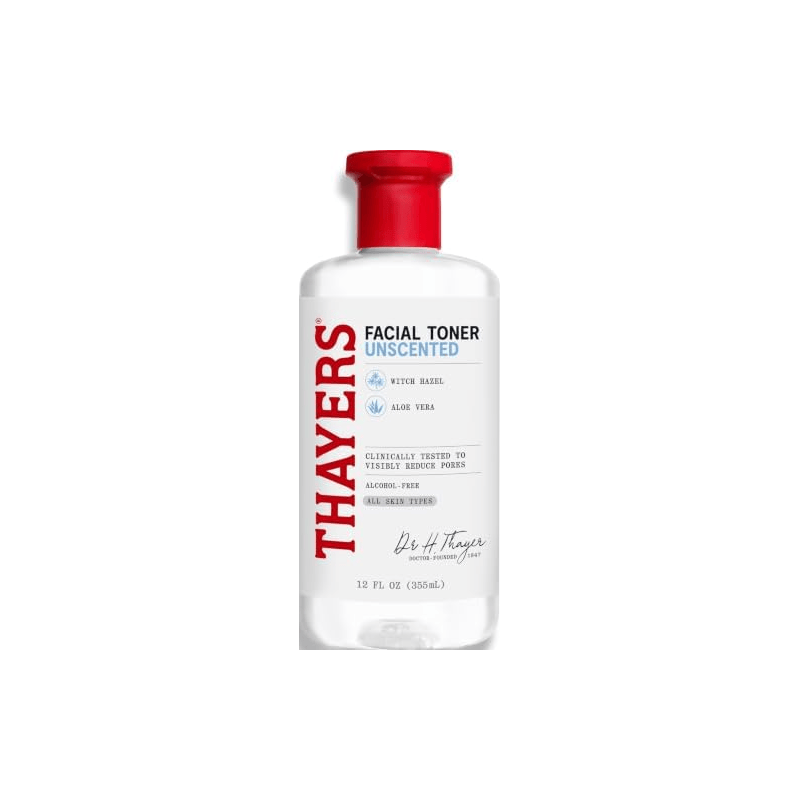
If you’re curious about witch hazel and not sure how your skin will react, start with Thayers Unscented Witch Hazel Toner. It’s alcohol-free, with witch hazel and aloe vera and no added scent, so it feels soft and cool rather than stingy. It’s the gentlest of the four and the easiest to walk away from if your skin disagrees. About $8.
A rose toner for normal and oily skin
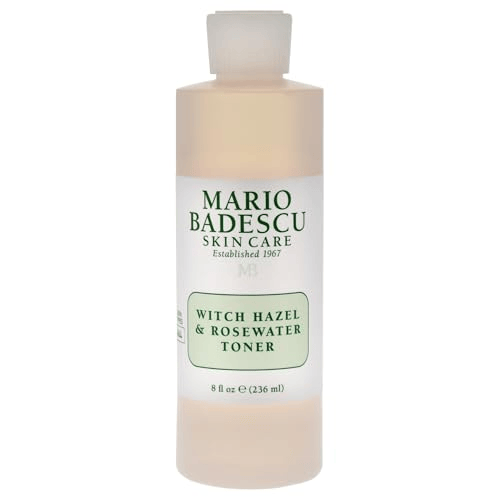
Mario Badescu Witch Hazel & Rosewater Toner is alcohol-free too, with rosewater added for a pretty floral scent. It’s a nice pick for oily or normal skin that likes a toner that smells good and feels refreshing. Because it contains fragrance, sensitive skin should stick with the unscented Thayers. About $13.
Organic witch hazel for oily skin
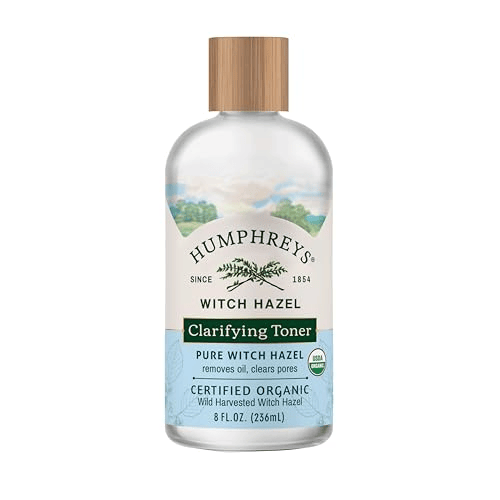
Humphreys Clarify Witch Hazel Toner is the classic distilled kind made with organic witch hazel and organic alcohol, at 14%. There’s no added fragrance, so it’s a good choice for oily skin that wants that crisp, clean feel without scent. Use it sparingly and stop if your skin starts feeling tight. About $12.
The old-school drugstore classic
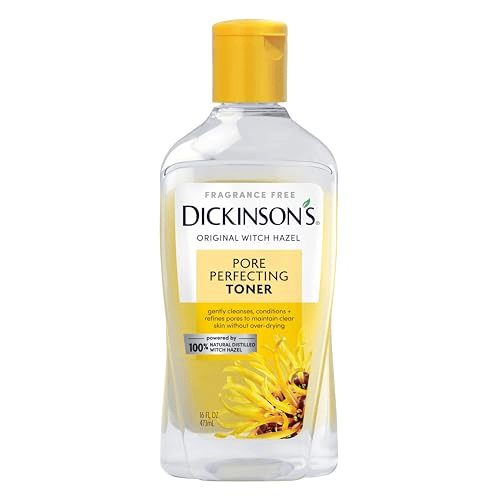
Dickinson’s Original Witch Hazel Pore Perfecting Toner is the bottle you’ve probably seen on drugstore shelves your whole life, with natural grain alcohol at 14% printed right on the label. It’s the strongest of the four, so it suits very oily skin that never stings, and it’s great to keep around for body use, like after a bug bite. At about $6, it’s also the cheapest. A few times a week is plenty on your face.
Who should skip it
Witch hazel is a poor match for skin that’s already struggling. If you have eczema, the AAD suggests sticking with products labeled “fragrance-free” and avoiding astringents, which only add to the dryness. Our guide to eczema-prone skin has gentler swaps. For rosacea, the AAD’s advice is to skip astringents and toners entirely and avoid alcohol and fragrance on the face.
Acne surprises people. You’d think a tightening toner would help, but the AAD says to avoid astringents, toners and harsh exfoliants on acne-prone skin, because drying it out can make breakouts look worse. A gentle cleanser and a proven acne product are a better use of your routine. And if your face stings when you put on plain moisturizer, your barrier needs repair before anything else. Start with how to fix a damaged moisture barrier.
Side effects are usually mild, like dryness, redness or a little irritation. An allergic reaction is rarer but possible. Stop using it and get medical help if you get a rash, hives, itching or any swelling of the face, lips or throat. Keep it off your eyelids and out of your eyes, and rinse well with water if it gets in.
Using witch hazel the gentle way
Before it goes on your face, put a little on the inside of your arm once a day for 7 to 10 days. If your skin stays clear and calm, go ahead. After cleansing, pat a small amount on with a cotton pad or your hands instead of scrubbing. Follow with moisturizer while your skin is still a little damp, and finish with sunscreen in the morning. If you’re new to the toner step, our post on what toner does and whether you need one explains where it fits.
Start with once a day for an alcohol-free bottle, and a few times a week for the 14% kind. Skip it on nights you use a retinoid or an exfoliating acid, since stacking drying steps adds up fast. If your skin feels tight or looks red an hour later, it’s too much, so cut back or stop.
After shaving
Plenty of people wipe witch hazel on after shaving their legs or underarms. It can feel nice, but it won’t prevent razor bumps, and Cleveland Clinic notes it can sting on razor burn. If you like the step, use an alcohol-free bottle and stop if it burns. The bigger fixes are in how you shave. Wet your skin first, use a shaving cream or gel, shave in the direction the hair grows and swap the blade every 5 to 7 shaves. Our guide to shaving without razor burn covers the rest.
More ingredient guides live in the skin section.


