
Maybe you’ve seen a little amber bottle of jojoba oil on a friend’s bathroom shelf, sitting next to her toothbrush like it’s the most normal thing in the world. Or maybe it popped up as the one ingredient in a cuticle oil you loved. Either way, you’ve probably wondered whether putting oil on your face is a smart idea, especially if your skin already shines by lunchtime.
Jojoba plays by different rules, because it isn’t really an oil at all. It’s a liquid wax pressed from the seeds of a desert shrub, and that wax is a lot like part of the oil your own skin makes. That’s why it feels light, sinks in fast and doesn’t leave a greasy film. It suits dry skin and plenty of oily and combination skin too, and it’s handy for dry cuticles and frizzy ends. Below is why it behaves the way it does, who should be careful, and how to pick a good bottle.
Why a wax feels lighter than an oil
A review in the NIH’s research library puts jojoba at almost 98% wax, mostly a type called wax esters. Your skin’s natural oil, called sebum, also contains wax esters, roughly a quarter of it. So jojoba is a partial match, not a twin. That’s still closer than coconut or olive oil gets.
The same review says jojoba makes skin more supple and cuts water loss without blocking air and moisture the way a heavy ointment can. It also feels less greasy than lanolin or petroleum jelly. Cleveland Clinic adds that it can work as a makeup remover and a cuticle oil.
The wax also makes jojoba sturdy. Unrefined jojoba holds natural vitamin E, which helps it resist going rancid far better than many plant oils.
Is it good for oily or acne-prone skin?
It can be, but the advice isn’t unanimous. A Cleveland Clinic dermatologist says jojoba shouldn’t clog pores and may even help acne. A separate Cleveland Clinic page on clogged pores tells readers to keep oils off the face, and it names jojoba by name. The research behind the acne claim is thin, mostly older and small.
If you’re oily and rarely break out, jojoba is one of the safer oils to try. Use one or two drops, not five. If you get clogged pores or acne easily, try it on one small area for a couple of weeks, or reach for squalane oil instead, which is even lighter. New bumps where you used it mean it isn’t for you.
Side effects and who should skip it
Jojoba is one of the gentler plant oils. In the patch tests the NIH review covers, people didn’t react to it unless they were extremely allergy-prone. Still, any ingredient can cause a reaction. Hives, itching or a rash mean stop and wash it off.
Patch test first anyway, especially if you have eczema, rosacea or very reactive skin. The AAD’s method is simple. Dab it on a quarter-sized spot on the inside of your arm twice a day for seven to 10 days. No reaction, and it’s probably fine for your face.
Watch the blends. Many “jojoba” products are mostly another oil, or carry added scent, and every extra ingredient is one more thing your skin can react to.
Choosing a bottle
Golden jojoba is unrefined and cold-pressed. It keeps its natural color, a mild nutty smell and its vitamin E. Clear jojoba has been refined, which strips out color and scent along with some of the good stuff, and the NIH review notes it also loses much of its resistance to going rancid. For skin, golden is the better buy. A pure bottle lists one thing, Simmondsia chinensis (jojoba) seed oil. You don’t need to dilute it, since it’s gentle enough to use full strength.
A big bottle for face, hair and nails

Leven Rose Jojoba Oil is 100% pure, cold-pressed and unrefined, and it’s made to go anywhere, from your face to your hair, body, nails and even a partner’s beard. A 4-ounce bottle is about $10, and at two or three drops a night, it lasts for months. It’s a great everyday bottle to keep by the sink.
A certified organic pick
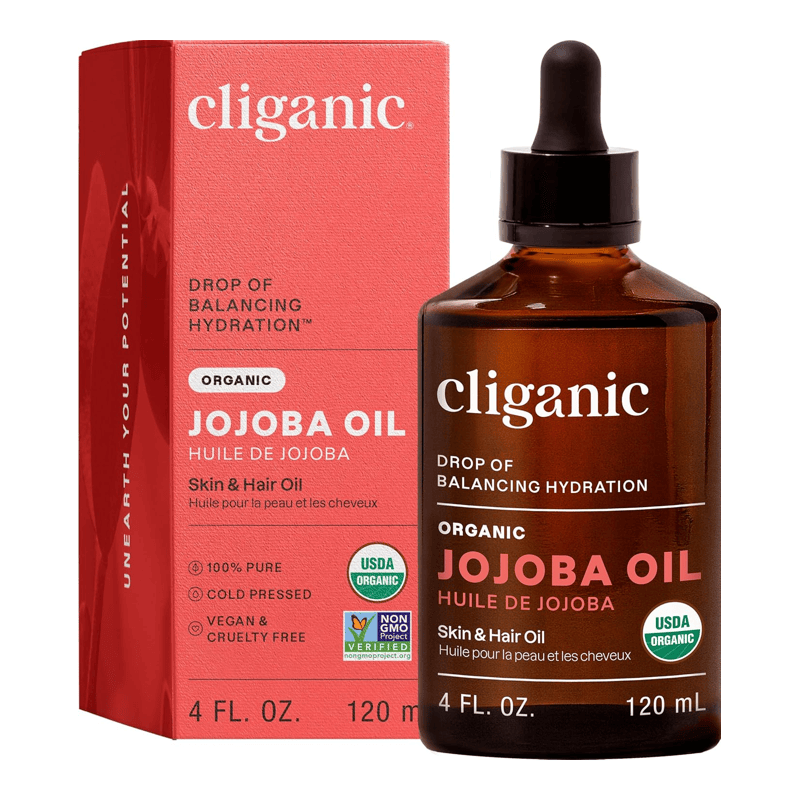
Cliganic Organic Jojoba Oil has a single ingredient, certified organic cold-pressed jojoba seed oil. It works well as a makeup remover, or you can mix a few drops into your face cream on nights your skin feels tight. It’s also about $10 for 4 ounces, so choose this one if organic matters to you.
A blend made for oily skin
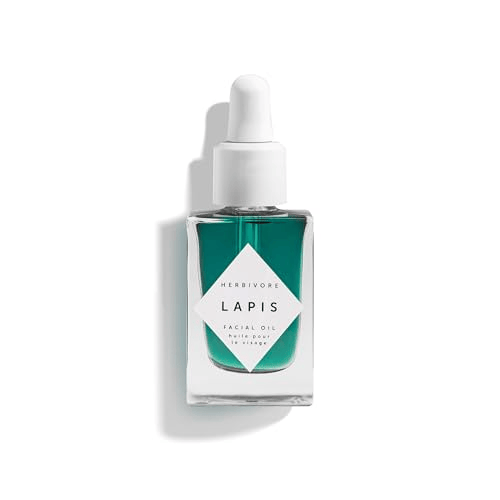
A blend makes sense when you want something jojoba alone doesn’t do. Herbivore Lapis Facial Oil mixes jojoba with squalane, kukui nut oil and blue tansy, which gives it a pretty blue tint. It’s non-comedogenic and made for all skin types, including oily and acne-prone, and it feels silky rather than slick. It does contain fragrance compounds, so pass on it if scent bothers your skin. It’s the splurge at about $58 for 1 ounce.
Ways to use it
At night, jojoba goes on last. Cleanse, apply any serum or treatment, then moisturizer, then press two or three drops on top. On dry skin, it does more over a moisturizer than in place of one, since it holds water in but doesn’t add much on its own. On normal or oily skin, a couple of drops can sometimes stand in for moisturizer.
In the morning, go light. Use one or two drops, let them sink in, then put on sunscreen, because the oil gives no sun protection.
It also makes a gentle makeup remover. Massage a little over dry skin to loosen makeup, then wipe and wash with your usual cleanser, keeping it out of your eyes. At bedtime, rub a drop into each nail bed to keep cuticles soft. Our guide to cuticle oil explains why this works. For hair, warm a drop or two between your palms and smooth it over dry ends, away from your scalp. It tames frizz and can leave hair less brittle, but it can’t mend split ends once they’ve formed.
Storing it
Jojoba keeps longer than most plant oils. Check the open-jar symbol on the bottle for a time frame, store it somewhere cool and dark, and replace it if the smell turns sharp or sour. If it turns cloudy or solid in a cold bathroom, don’t worry. That’s normal for a wax, and warming the bottle in your hands clears it right up.


