
Allantoin is a gentle, soothing ingredient for anyone whose skin gets tight, chapped or red, whether from cold winter wind or a quick shave. It’s the quiet name near the end of the ingredient list on a lot of soothing creams, lip balms and aftershave lotions, and it rarely gets a second look.
It won’t transform your skin, but it’s one of the gentlest calming ingredients you can find. It helps skin hold on to water, softens rough patches and rarely causes trouble, so it suits sensitive skin, skin that’s sore after shaving, and chapped lips. Below is what it does, who should be careful, and four products with allantoin, in the order you’d put them on.
What it does on your skin
Your body makes allantoin on its own, and it’s also found in plants like comfrey. The kind in skin care is usually made in a lab. Cleveland Clinic lists it in everything from face creams and eye creams to lip balm, shampoo, diaper cream and aftershave. That long list tells you how mild it is.
It does two main things. First, it helps your skin pull in and keep water, so dry, tight spots feel softer. Second, it loosens the dead cells sitting on top, which smooths rough or flaky patches. That’s a soft effect, nothing like a peel.
Allantoin is also an approved active ingredient in over-the-counter skin protectants, at 0.5% to 2%. In that role, the FDA lets the label say it temporarily protects minor cuts, scrapes and burns, and chafed, chapped or cracked skin and lips. It can also say it helps protect skin from wind and cold. That’s why you’ll sometimes see it in the “Drug Facts” box of a lip balm or a healing cream.
Brands also add it to products with harsher ingredients, like alcohol or fragrance, to cut down on dryness. So if you spot it in an acne product, that’s usually its job.
What it won’t do is fade dark spots, clear acne or erase lines. Any “anti-aging” effect comes from skin being better moisturized, which makes fine lines look softer for a while.
Who should skip it, and side effects
Very few people. Cleveland Clinic says allantoin isn’t known to irritate skin, and it’s common in products for babies and sensitive skin. Reactions do happen with any ingredient, though, so a few rules still apply.
- If a product with allantoin stings or turns you red, look at the rest of the label. Acids, retinoids or fragrance in the same formula are the more likely cause. Stop using it either way.
- If you have very reactive skin, add one new product at a time and give it a few weeks, so you know what’s helping and what isn’t.
- If you’re using a skin protectant on a cut, scrape or burn, keep it to small, minor ones. The FDA label warnings say not to use these on deep or puncture wounds, animal bites or serious burns, and to keep them out of your eyes.
- If the problem gets worse, or lasts more than 7 days, stop and ask a doctor. That’s also straight from the skin protectant label.
Building it into your routine
You don’t add allantoin as its own step. It comes built into an essence, serum, moisturizer or balm, so it goes wherever that product goes. After a gentle cleanser, the usual order runs from thinnest to thickest, then sunscreen last in the morning. These four follow that order.
A watery first layer
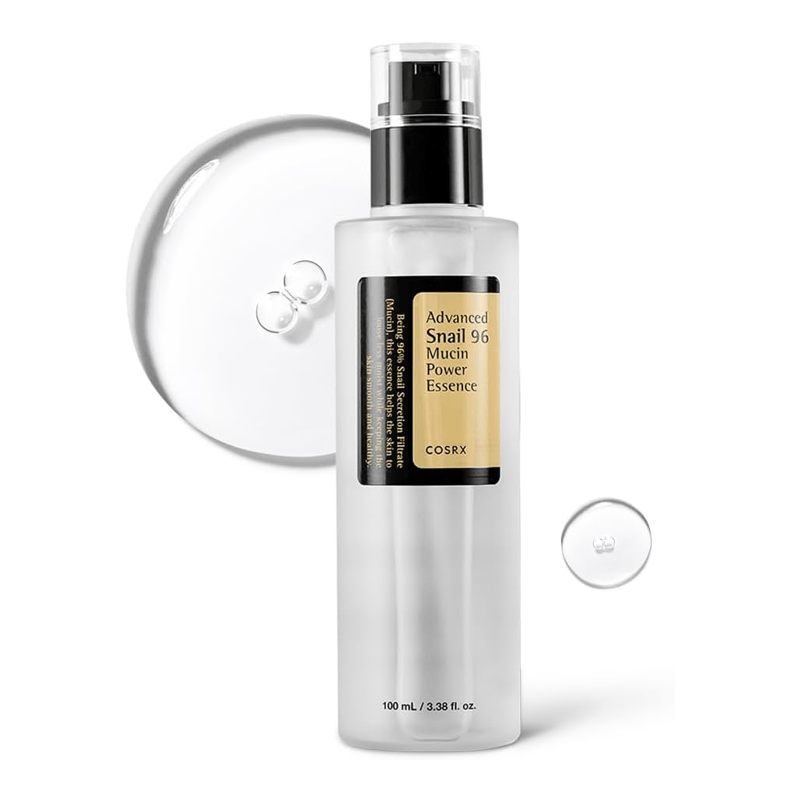
COSRX Advanced Snail 96 Mucin Power Essence is a slippery, watery layer that goes on right after cleansing, on dry or slightly damp skin. It pairs snail mucin with allantoin and panthenol, so you get two gentle moisturizers in one step. At about $15, a bottle lasts a long time since you only need a few drops. If your skin is dull and thirsty but hates heavy products, this is a great place to start.
For oily skin that still gets red
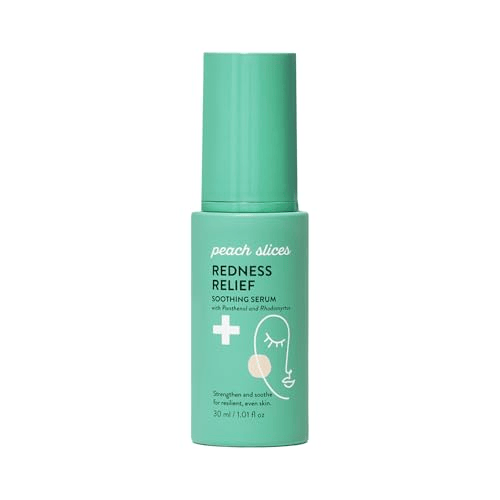
Peach Slices Redness Relief Soothing Serum is oil-free, with panthenol, allantoin and cica. That makes it a smart pick for oily or combination skin that flushes or gets irritated, since it calms without leaving a greasy film. It’s about $19. Pat it on after your essence and let it sink in for a minute before moisturizer.
A night cream for sensitive cheeks
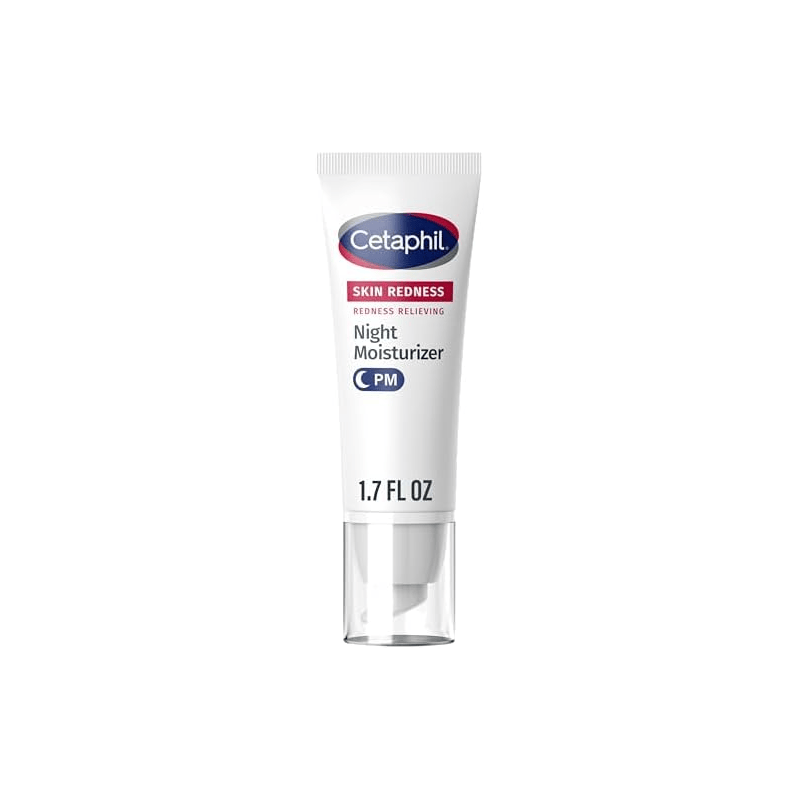
Cetaphil Redness Relieving Night Moisturizer is the easy, budget-friendly start at about $10. It’s fragrance-free and made for redness-prone skin, with allantoin, licorice, caffeine and panthenol, plus niacinamide and ceramides. Nighttime is when dry or irritated skin does most of its recovering, so this is a good slot for a calming cream. It also plays nicely on retinol nights, when a soothing layer helps.
For rough, flaky patches
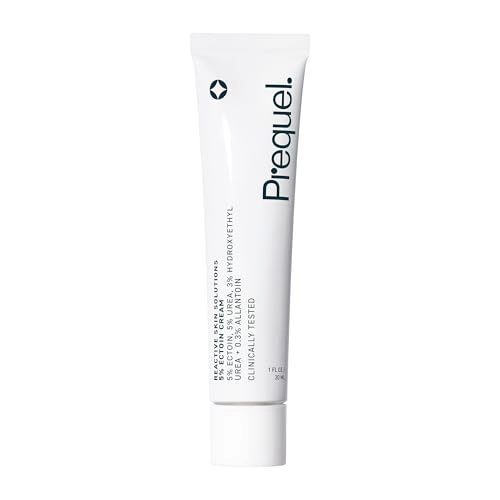
Prequel 5% Ectoin Cream is the thicker one, at about $25. It’s steroid-free and blends ectoin, urea and allantoin to ease scaling and roughness and soften the look of redness while it moisturizes. Use it as your last layer at night, or on just the scaly spots, like the sides of your nose, elbows or the backs of your hands.
Shaving and chapped lips
After shaving, a soothing lotion with allantoin is a nice finish, but how you shave matters more. The American Academy of Dermatology suggests shaving after a shower, using a shave cream made for sensitive skin, shaving in the direction the hair grows, and swapping your blade after 5 to 7 shaves. Allantoin can make skin feel calmer, though it won’t stop razor bumps on its own. If painful bumps keep coming back, see a dermatologist.
For chapped lips, look for a balm without fragrance, flavors, menthol or camphor, since the AAD lists those among the ingredients that bother chapped lips. Our chapped lips guide has the rest of the plan.
Good partners for allantoin
Allantoin and panthenol show up together on a lot of labels, and they make a natural pair, two gentle moisturizers that calm dry, cranky skin. Our panthenol guide covers that one. Centella is another easy match, and our guide to centella and cica explains how it works.
There’s no known clash with retinol or acids, either. Add one new product at a time and give it a few weeks, so if your skin gets irritated you can tell which one is to blame. Allantoin won’t clear breakouts, but it can make drying acne products easier to live with, which helps you stick with them long enough to work.


