
Confession time. For years my whole skincare collection lived on the shelf right next to my shower. Turns out that’s one of the worst spots in the house for it. Every hot shower turns the bathroom into a tiny sauna. And if you’ve got a window over the sink like I did, the sun pours in all afternoon too.
The fix is pretty boring. Cool, dark, dry. That’s it. Do that and your vitamin C won’t turn the color of weak iced tea (ask me how I know).
Moving everything took me about five minutes. No fancy new setup needed. What do I wish I’d known back then? Where stuff should go. Which products are fussy. What the tiny symbols on the box mean. And how to tell when something has turned.
Why the bathroom shelf is hard on products
Four things wear skincare down. Heat, water, light, air. Damp is where bacteria and fungi grow. That’s from the FDA, not me. Ew. Heat can also weaken the preservatives that are supposed to stop that from happening. A steamy bathroom hits you with both. Several times a day!
Light and air work slower. Sun through a window can change a product’s color, texture and smell over a few weeks. And every time I left a cap off (a lot, back then), air got to the formula. That starts breaking down the more delicate ingredients. Most products can take a bit of this. The fragile ones can’t. I’m looking at you, pure vitamin C and retinol.
Where your products should live instead
Pick a cool, dry, dark spot and almost everything stays good longer. Mine’s a dresser drawer now. A nightstand works too. Or a basket on a closet shelf, or the hall linen closet. The only things I leave in the bathroom are shower things. Body wash, shampoo, that kind of stuff.
Wherever yours end up, a couple of habits help a lot. Close the lid. Every time. Even if you’re coming right back (I always said that, and I never came right back). Scoop cream out of a jar with clean, dry fingers or a little spatula. Otherwise you’re adding water and germs to the whole tub. Oh, and backups? Get them out of the bathroom cabinet too. Unopened products still sit in the same steam.
Sunscreen in a hot car or a beach bag out in the sun is a no. Heat and direct sun break down sunscreen ingredients faster, per the AAD. So, not the dashboard. Shade or under a towel is better.
Short on drawer space? Our guide on where to store makeup has small-space ideas. They work just as well for skincare.
Do you need a skincare fridge?
For most of us, nope. Cool room temperature is fine for almost everything you own. A fridge doesn’t make a product work any better, sadly.
I can think of two times a mini fridge is worth it, though. One is comfort. Gel eye creams, sheet masks, face mists and jade rollers feel so nice cold. And a cold eye gel on a puffy morning? Yes please. Two is a warm home. If your bedroom stays hot all summer, a fridge gives a pure vitamin C serum a cooler place to hang out between uses. And if the label tells you to refrigerate it once it’s open, just listen to the label.
Some stuff should stay out of the fridge. Oils and balms can go cloudy or stiff in the cold. Anything labeled for room temperature goes in a drawer. Same for prescription retinoids like tretinoin and adapalene. They want room temperature, no heat and no moisture, MedlinePlus says.
A small fridge for eye gels and masks
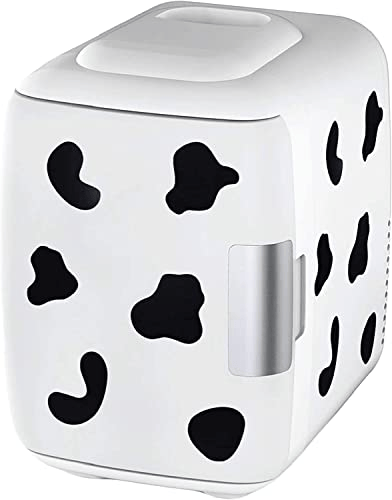
If you like your eye gels cold, the Cooluli 4L Skincare Mini Fridge fits right on a dresser. It holds about six cans’ worth. Plenty for masks, a mist and a serum or two. It plugs into a wall, a car outlet or USB, so a dorm or an office works too. Fun fact, it also has a warming setting. Make sure the switch says cool before you fill it! It’s about $49.
Vitamin C and retinol need a little babying
Pure vitamin C is one of the most fragile ingredients you can buy, and it’s the one I ruined the most. On labels it shows up as L-ascorbic acid. Light and air both break it down, and you can literally see it happen in the bottle as it goes from yellow to orange to brown over time. Some formulas start out a light straw color and that’s fine. But once mine hit dark orange I knew it had lost a lot of its strength, and I’d still keep using it for another month because I’d paid for it.
You can slow all of that down. I screw the cap on tight now and keep the bottle in its box in a drawer. I also stopped buying the big size, since a couple of months is about how long a bottle should last you. If that all sounds like too much work, look for a vitamin C derivative, a form of vitamin C made to last longer. Our roundup of the best vitamin C serums has both kinds.
An easygoing vitamin C
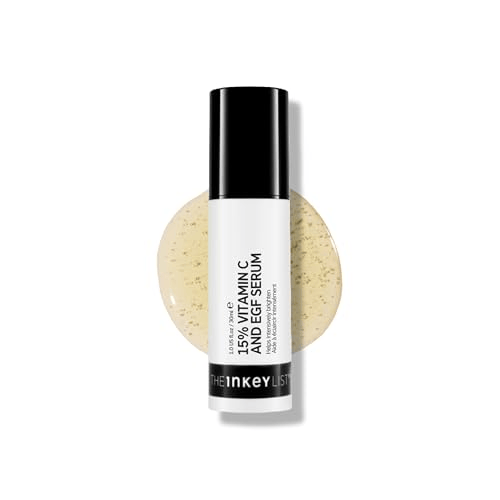
The INKEY List 15% Vitamin C and EGF Serum is the one I’d point you to if you want brightening and don’t want to think about where the sun hits your dresser at 4pm. It’s a light cream-serum that sits nicely under moisturizer. At about $20 I wouldn’t feel bad replacing it when it runs out.
Pure vitamin C in a small bottle
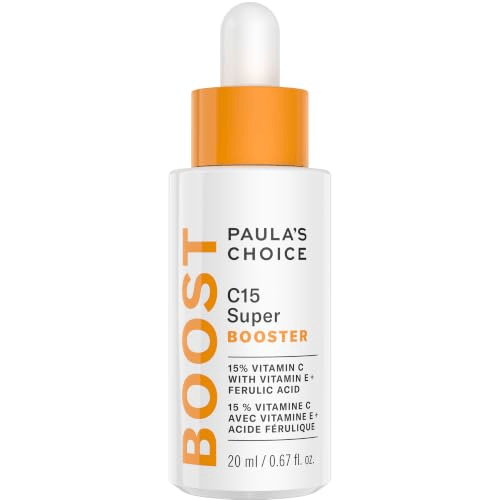
For the classic pure form, there’s Paula’s Choice C15 Super Booster. It has 15% vitamin C with ferulic acid and vitamin E, no fragrance. What sold me on it for this list is honestly the size of the bottle, 0.67 ounces, which sounds tiny until you realize that means you’ll use it up long before it gets the chance to go dark. It’s about $59. I’d add a few drops to a serum or moisturizer you already have, since it doesn’t take much.
Retinol gets the same care as vitamin C in my house: lid on, out of the light, nowhere near heat or shower steam. MedlinePlus gives the same storage advice for prescription retinoids. If you’re new to retinol, our guide to the best retinol for beginners walks you through starting slow.
A retinol that lives in your nightstand
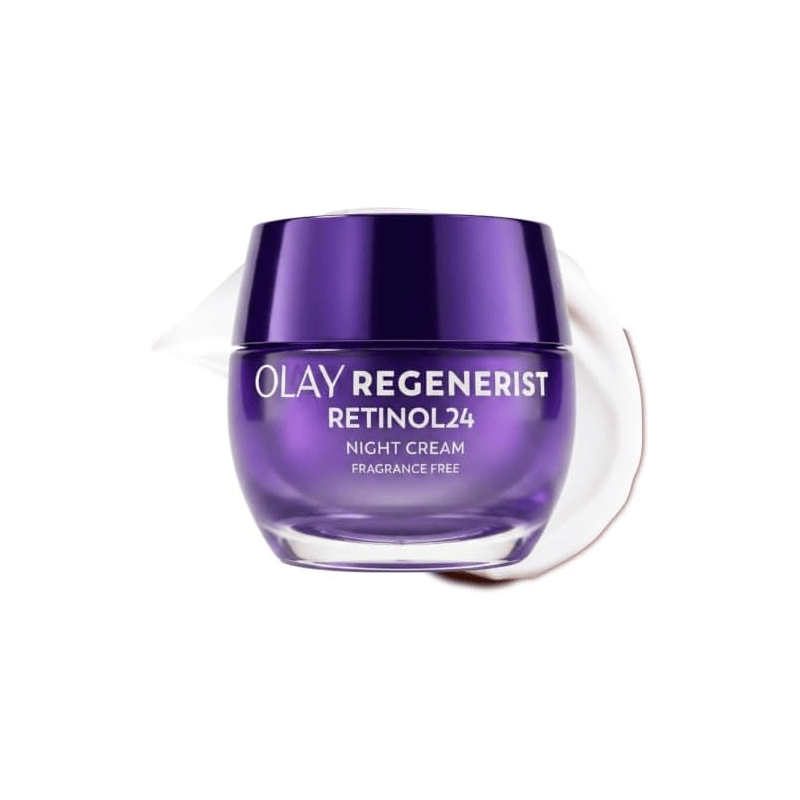
Olay Retinol Night Cream is a fragrance-free retinol moisturizer, and I like it for the simple reason that it can live in your nightstand drawer. It’s right there when you get into bed, so it’s an easy one-step way to add retinol at night. It’s about $30.
What the little symbols on the package mean
I always figured every jar in my drawer had a use-by date somewhere on it, the way milk does. Nope. There’s no U.S. law that makes cosmetics carry an expiration date (I checked, it’s on the FDA site), so a lot of them just don’t have one. Flip yours over and look for a tiny drawing of a jar with its lid open. Next to it there’s a number and an M, like 6M or 12M, and that’s how many months the brand suggests you use it for once it’s open.
My fix is low-tech. There’s a marker in my drawer and I write the month on the bottom of whatever I just opened, which the AAD also suggests for any sunscreen that doesn’t have a printed date.
Sunscreen is held to stricter rules than the rest of your stuff. It has to keep its full strength for at least three years. So if yours has an expiration date on it and that date has passed, I’d throw it out and buy a new one.
Mascara has the shortest shelf life
Of everything in my makeup bag, mascara is the thing I hang on to way too long, and it’s the one that wears out fastest. Brands usually say to replace it two to four months after you open it. Picture the wand going back into that dark, wet tube every morning with whatever it picked up off your lashes, and two to four months starts to sound generous. Eye products can cause infections.
When a tube dries out, people add a little water to it, or spit (please no). Both put bacteria right into the tube, and it’s one the FDA specifically warns about. If you ever end up with an eye infection, stop using all of your eye makeup and check in with your doctor.
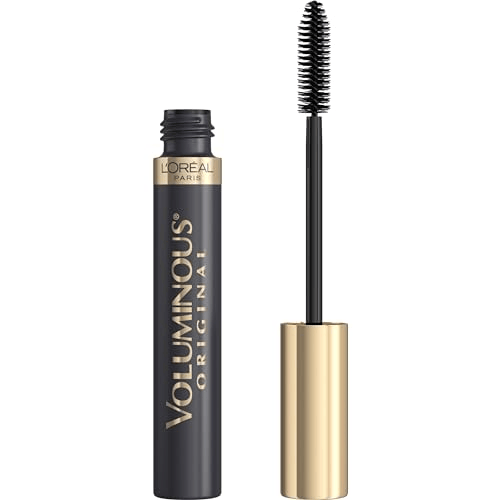
Because you’re buying it so often anyway, I don’t see the point of a pricey mascara. L’Oréal Paris Voluminous Original Mascara gives you full, dark lashes for about $9, and I don’t mind replacing that every few months.
How to tell a product has gone bad
Honestly your eyes and nose beat any date. Time to throw something out when:
- a cream or lotion has split into oily and watery layers
- it has dried out, gotten hard or cracked
- the color has changed, like a vitamin C serum that’s gone brown
- the texture is suddenly gritty, runny or clumpy
- it smells sour, rancid or just different from when you bought it
Sunscreen gone a weird color? Thicker, or runny? Into the trash it goes. Buy a fresh one. Even if the date hasn’t come yet.
If something you’ve used for months suddenly makes your skin sting, itch or break out, stop using it. Still angry after a few days? Go see a dermatologist. They can help figure out what’s going on.
One last money thing. A giant bottle of a fragile serum looks like the better deal, right? I fell for that more than once. If it takes you a year to finish, it’ll probably go bad first. So weirdly, the smaller size usually ends up cheaper. You actually use all of it.


