
I’ll admit it. I used to think face mists were the most pointless thing in the beauty aisle. A fancy can of water? From France? Come on.
Then I read up on where that water comes from, and okay, it’s more interesting than I gave it credit for. The water comes out of hot springs in France. Over there, doctors still send people to spas for skin problems. Like, as a prescription. So I get why people wonder if they’re missing out.
My honest take: you’re paying for spring water. That’s pretty much the whole ingredient list. The minerals might help a little with redness. Water by itself won’t moisturize you though. Use a mist the wrong way and your face can end up drier than before (more on that in a sec). Use it the right way and it’s a cool, calming first step that helps your moisturizer work better.
Why spring water from France is a skincare thing
French spa towns have used their springs for skin for a very long time, mostly as long soaking baths. Doctors there still prescribe spa stays for conditions like eczema and psoriasis. It’s called balneotherapy. I had to look that word up too. It’s also where the big French skincare brands got their start.
Every spring has its own mix: calcium, magnesium, potassium, silica, selenium. The water picks them up as it moves through rock underground. Magnesium and calcium play a part in how the skin barrier repairs itself. That’s part of why people think these waters may soothe skin.
And the research? Basically “a little, maybe.” Most studies were done on skin cells in a dish or on mice. Others looked at people soaking in spa baths for weeks. That’s a long way from me spritzing my face at my desk at 3pm. Reviews of the bath research call thermal water a helpful add-on for a small group of patients, and they say more work is needed to know which waters help which problems.
So I think of a spray as a comfort step. It won’t treat eczema, rosacea or acne. If you’re dealing with one of those, please see a dermatologist. They can give you something that actually treats it.
The mistake that makes a mist backfire
I did not know this part. Water on your face feels great for about a minute. Then it starts to dry, and as it leaves it can take some of your skin’s own moisture with it. If there’s nothing on top to hold water in, your face feels tighter than before you sprayed. So you spray again. Guilty. I’ve done this on a plane more than once.
Easy fix. Dermatologists say the same thing about getting out of the shower. The American Academy of Dermatology says to put on moisturizer while your skin is still damp. A mist works the same way. So spray, count to five, cream. Done.
Does your face feel tight all the time no matter what you do? Our guide to dehydrated vs dry skin can help you work out which one you have.
Building a routine around thermal water
Thermal water comes in three forms: a plain spray, a serum and creams. They each go in a different spot in your routine. I’ve listed them in the order you’d put them on after washing your face.
A sterile can for sensitive skin

Avène Thermal Spring Water is about as simple as skincare gets. The ingredient list is the spring water plus nitrogen, which is just the gas that pushes the water out of the can.
Avène’s water is low in minerals. It has a light mix of sodium, potassium, silica, calcium and magnesium, and it’s made for skin that gets red, hot or stingy easily. And since the can is sterile, nothing in it needs preservatives. If your skin freaks out at everything, this is the one I’d start with.
Hold it upright. Don’t shake it like hairspray. Close your eyes and mist from about eight inches away. Wait two or three minutes, then pat off the extra. It’s about $15 for 5 ounces and it fits in most bags.
The big can for face and body

Want to mist your neck, chest and arms too? La Roche-Posay Thermal Spring Water comes in a 10.1-ounce can for about $19, so it’s the better deal per ounce. Ingredient list: water. That’s it.
This spring is rich in selenium, an antioxidant mineral. The water also has calcium, magnesium, strontium and bicarbonate. It’s gentle enough for every age in the house. This is the one I’d leave next to the sink, or throw in a beach bag in July.
A hydrating serum with volcanic water
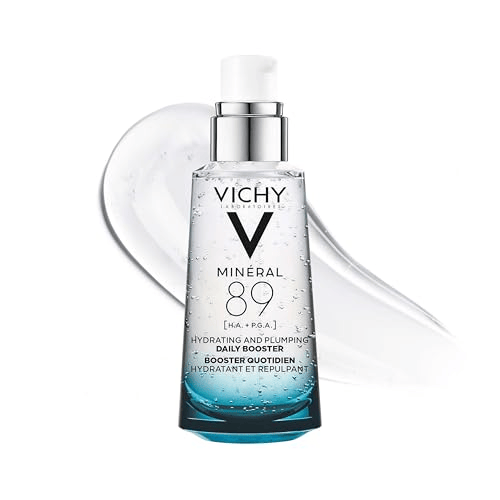
If you want the water to do more than cool you off, put it in a step that holds moisture in. Vichy Minéral 89 Booster does that. It’s a light gel serum, and most of it is Vichy’s volcanic water, which has 15 minerals.
It also has hyaluronic acid and polyglutamic acid, which pull water into the top layer of skin. There’s no fragrance and it layers easily under almost any moisturizer. Pat two or three drops in after your mist, or put it straight onto clean skin. It costs about $30. You only need a little, so a bottle lasts a while. Of everything here, this is the one I think is most worth the money.
A light cream that smells like a vacation
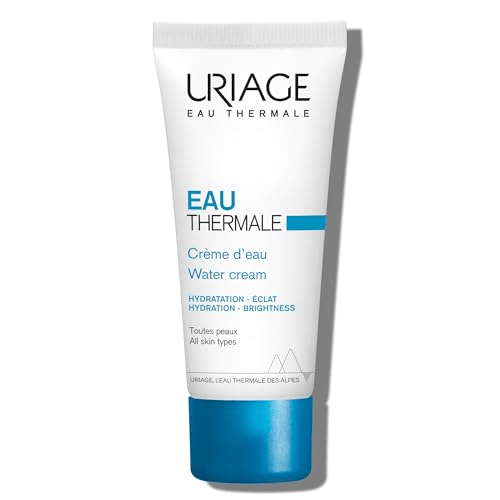
Uriage Eau Thermale Water Cream is for you if you like skincare that smells nice. I’m a sucker for that, so this one’s a soft spot. It’s a light, bouncy cream made with Uriage’s spring water, which has calcium, magnesium, sodium, sulfate and bicarbonate. The cream also has hyaluronic acid and a little shea butter.
It smells like bergamot and peach, and it’s a fun pick for normal and combination skin. If your face is very sensitive, you’ll be happier with a cream that has no fragrance. It’s about $23.
A no-frills cream for very reactive skin

Does everything seem to sting? Avène Tolerance Control Soothing Recovery Cream keeps the formula short and gentle. No fragrance, no preservatives. It’s made with Avène’s thermal water and comes in a sealed tube that keeps air out.
It’s a great cream to put on over your spray, extra good in winter or after a skin reaction has calmed down. It’s about $40.
In the morning, finish with sunscreen. Later in the day you can spray again if you like, then press a little moisturizer onto any dry spots. That gives the water something to hold it in place.
Skin barrier wrecked? Don’t buy a second spray. Our list of the best barrier repair moisturizers is a better place to spend that money.
Is it worth it over tap water?
The cans are sealed and sterile, and the minerals are different from what comes out of your faucet. Depending on your city, tap water might be hard, or full of whatever they treat it with. But it hasn’t been proven well that this difference shows up on everyday skin.
Here’s where I land. A spray is a nice extra. It makes a dry office or a long flight easier to deal with. On a budget? Spend it on a moisturizer you’ll use every single day. That does far more for your skin than any mist. And if your cream already has thermal water in it, you really don’t need a spray too.
There’s also no research comparing the brands head to head, and none has been shown to be the best. Pick the water you like spraying, or whichever one is cheaper that week. Curious about the mists with extra stuff added? Check out our full face mists guide.
Who should be careful
A pure thermal spray gives your skin very little to react to. The ones I’d watch are the look-alikes on the same shelf. Some of them add fragrance, alcohol or plant extracts. Dermatologists tell people with dry or sensitive skin to look for “fragrance-free” on the label. Flip the can over before you buy.
Creams and serums made with thermal water have lots of other ingredients too, so judge them like any other moisturizer. If your skin is picky, patch test first. Stop using anything that stings, itches or gives you a rash.
See a doctor if your skin swells, if a rash spreads or doesn’t calm down in a few days, or if you have any trouble breathing. And always close your eyes when you spray. Learned that one the hard way.
You’ll find more ingredient guides in the skin section.


